Comprehensive Eye Care & Vision Correction in Incheon · Multilingual International Concierge
23+ Years Clinical Experience
en-US

Ophthalmology Guide
Comparing Lens Implant Surgery Costs: Why Korea is 30% Cheaper
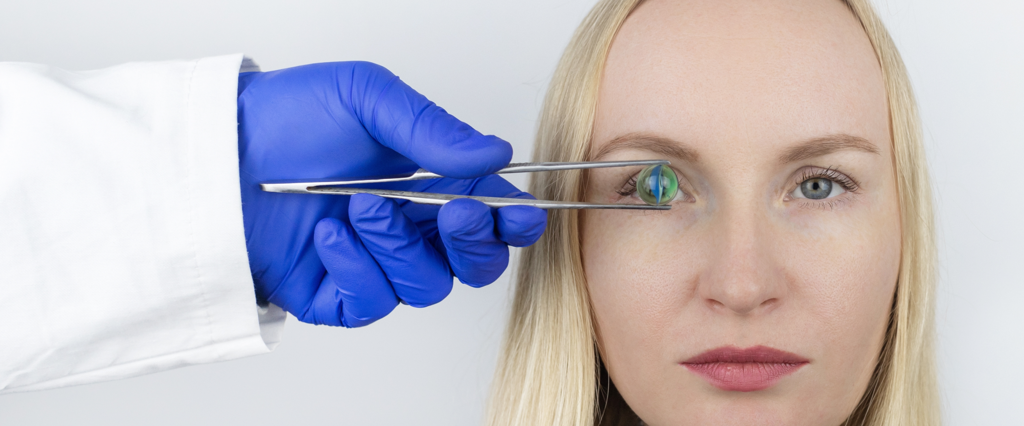
The global market for vision correction is shifting rapidly as patients move away from temporary solutions like glasses toward permanent refractive results.
Schedule a ConsultationThe global market for vision correction is shifting rapidly as patients move away from temporary solutions like glasses toward permanent refractive results. In South Korea, a leading hub for ophthalmology, a nationwide trend shows that the volume of lens-based surgeries—specifically ICL (Implantable Collamer Lens) and Refractive Lens Exchange (RLE)—is growing at a steady CAGR of approximately 7–9%.
Why is Lens Implant Surgery in Korea More Affordable?
What is the cost difference between Korea and Japan for ICL?
The primary reason for the 30% price gap lies in Korea’s specialized medical cluster system and high procedure volume. While a Toric ICL procedure in Tokyo may range from $6,000 to $8,000 USD, the same procedure using identical Swiss-made EVO+ Visian ICL technology in Seoul typically ranges from $4,000 to $5,500 USD. This is due to lower administrative overhead and a highly efficient, high-volume surgical pipeline.
How do Korean ophthalmology clinics maintain high tech at lower prices?
- Market Competition: With over 100 specialized eye clinics in the Gangnam and Myeongdong districts alone, competitive pricing is a market necessity.
- Supply Chain Efficiency: Korea is one of the world's largest consumers of premium IOLs (Intraocular Lenses), allowing clinics to negotiate better bulk procurement rates.
- Infrastructure: Integrated surgical suites reduce the time between diagnosis and recovery, lowering the "per-patient" operational cost.
Current Standard Approaches to Vision Correction & Their Limitations
Traditionally, patients with high myopia (nearsightedness) or thin corneas had limited options. In Korea, the standard "ladder of care" usually looks like this:
- Prescription Frames & Contacts: The baseline for 70% of the Korean population.
| Feature | LASIK / LASEK | Standard Cataract Surgery |
|---|---|---|
| Primary Goal | Corneal Reshaping | Clouded Lens Removal |
| Reversibility | Irreversible (Tissue removed) | Irreversible |
| Suitability | Low to Moderate Myopia | Age-related Cataracts |
| Recovery | 1–3 Days | 1–2 Weeks |
The Innovative Approach: Phakic IOL and Refractive Lens Exchange (RLE)
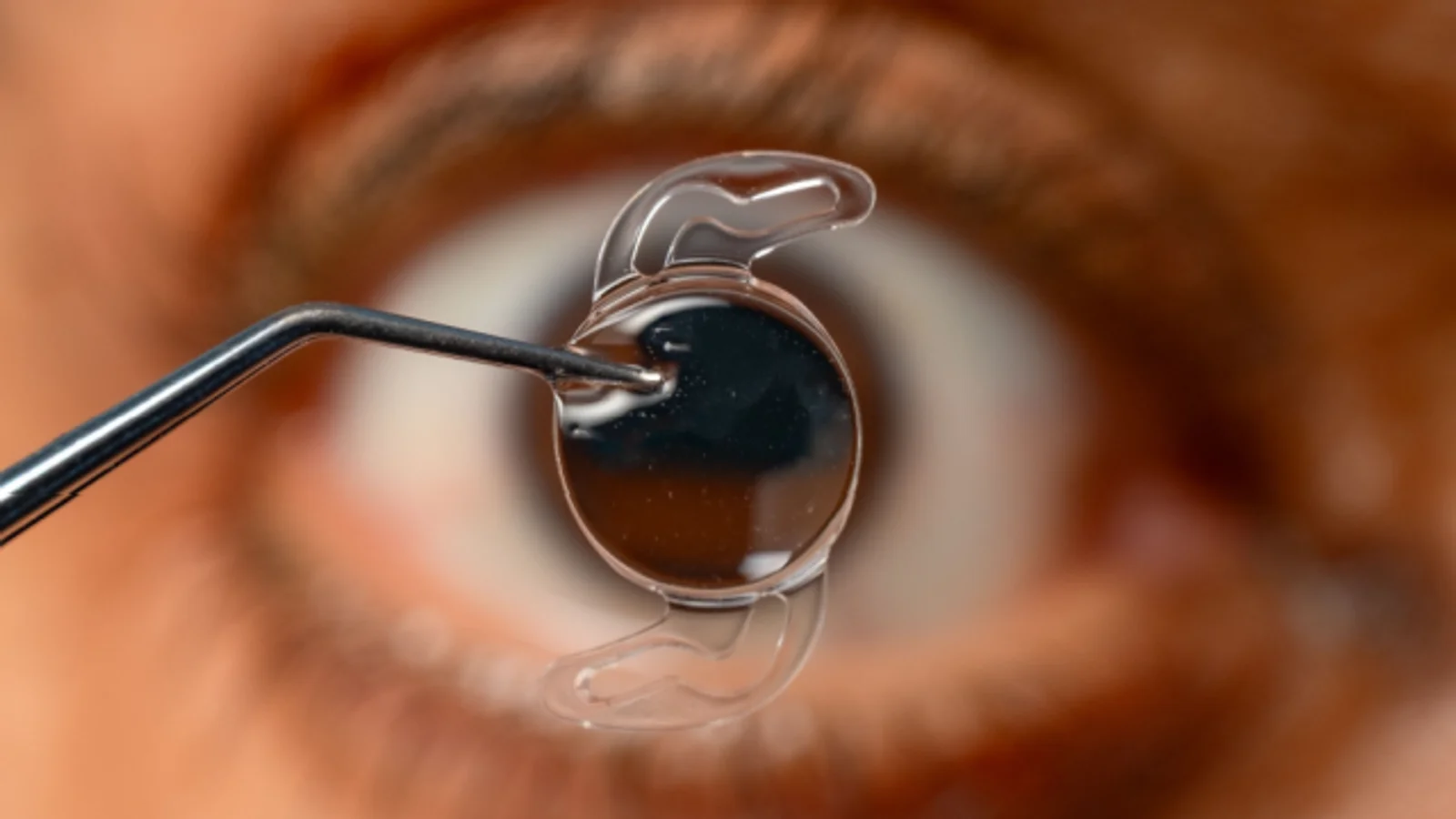
At the forefront of Korean eye care is Lens Implant Surgery, a high-precision method that does not involve laser-cutting the cornea. Instead, a biocompatible lens is inserted into the eye to provide permanent high-definition vision.
How Lens Implant Surgery Works
Unlike LASIK, which thins the cornea, ICL (Implantable Collamer Lens) acts like a "permanent contact lens" placed behind the iris. For older patients, Refractive Lens Exchange (RLE) replaces the aging natural lens with a Multifocal IOL, effectively treating both distance vision and presbyopia (near vision) simultaneously.
Why it is considered "Tech-Driven Care"
- Reversibility: Unlike laser surgery, an ICL can be removed or replaced if the patient’s prescription changes significantly in the future.
- Predictability: The refractive outcome is determined by the power of the lens, not how the cornea heals, leading to higher "20/20" attainment rates in high-myopia cases.
- Biocompatibility: Modern lenses use Collamer, a material containing purified collagen that the eye does not perceive as a foreign object.
Data & Outcomes: Conventional vs. Advanced Lens Path
Data from Korean clinical observations suggest that patients undergoing lens-based correction report higher satisfaction scores in "visual quality" (contrast and night driving) compared to those undergoing high-diopter laser surgery.
Comparison Table: Cost and Outcome Metrics
| Metric | Laser Surgery (LASIK) | Lens Implant (ICL/RLE) |
|---|---|---|
| Avg. Cost (Korea) | $1,500 – $2,500 | $4,000 – $5,500 |
| Dry Eye Incidence | Moderate to High | Very Low |
| Visual Stability | Potential for regression | Highly Stable |
| Procedure Time | 10–15 Minutes | 20–30 Minutes |
| Long-term Value | High (for low myopia) | Highest (for high myopia/presbyopia) |
Local Korea Insights: Why Seoul is the "Silicon Valley" of Eye Care
South Korea’s patient demographic is uniquely tech-savvy and demands "Zero Downtime" care. This has forced clinics to adopt the latest AI-assisted diagnostic planning. Tools like the Pentacam and IOLMaster 700 are standard in Seoul, allowing surgeons to map the eye's internal architecture with sub-micron precision.
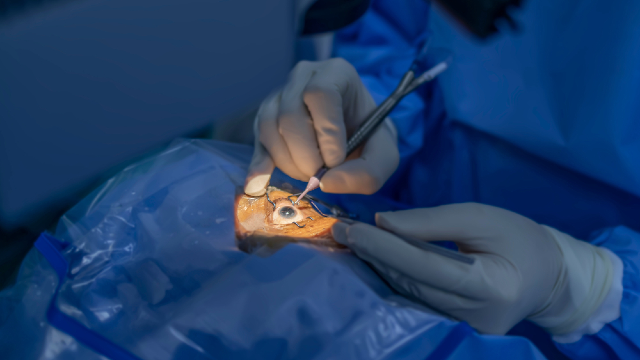
Where Global Ubal Eye Center Fits in Lens Implant Surgery in Korea
Conclusion
More Articles
Continue reading our ophthalmology guides and vision care insights.

SMILE vs LASIK: Recovery Benchmarks for Vision Correction Care
South Korea has solidified its position as a global epicenter for ophthalmology, with the domestic LASIK and refractive surgery market projected to reach **USD 167.37 million by 2035**, growing at a steady CAGR of 8.54%.
Learn More

Prevalence of Myopia in Korea: The Value of Dream Lens Therapy
The prevalence of myopia among young people in South Korea has reached critical levels, often described as a "myopia epidemic." According to recent data from the **Korean National Health and Nutrition Examination Survey (KNHANES)**, the prevalence of myopia...
Learn More

Multidisciplinary Care: The Future of Korean Pediatric Eye Clinics
The landscape of pediatric eye care in South Korea is shifting rapidly. With nearly **21.9% of Korean children** estimated to be affected by various visual disorders according to nationwide health screenings, the demand for specialized intervention has never...
Learn More