Comprehensive Eye Care & Vision Correction in Incheon · Multilingual International Concierge
23+ Years Clinical Experience
en-US


Ophthalmology Guide
Comparing Eye Diseases Care Costs: Why Korea is 30% Cheaper Than Russia
Explore why eye disease care costs in Korea are **about 30% cheaper than in Russia**, with advanced treatment options, skilled specialists, and high-quality clinics offering better value for patients.
Schedule a ConsultationIntroduction
For many patients in Russia, from the bustling streets of Moscow to the port cities of the Far East, accessing high-quality Eye Diseases Care has become an increasingly expensive challenge. Rising inflation and complications in the global supply chain have driven up the price of premium medical equipment and imported consumables in Russian private clinics.
Defining Modern Eye Diseases Care: More Than Just Glasses
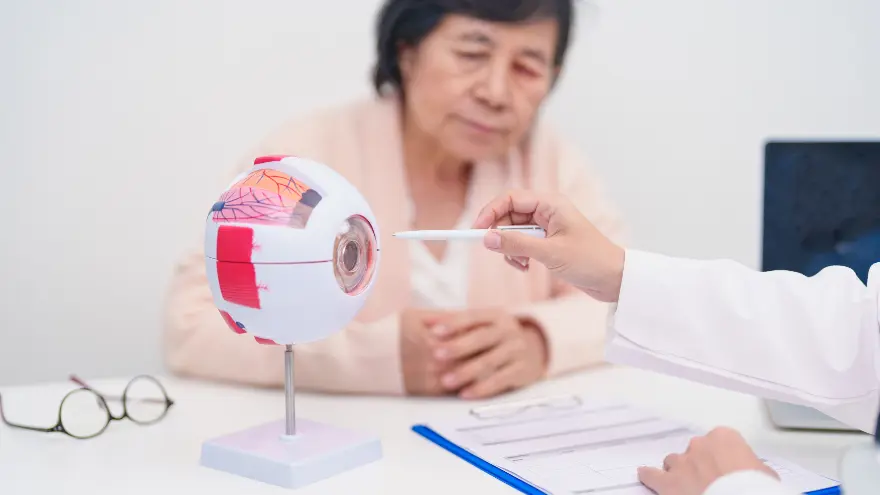
Modern Eye Diseases Care has evolved far beyond simple vision testing and corrective lenses. It now encompasses a complex range of medical interventions designed to prevent permanent blindness and restore quality of life.
Target Conditions for International Treatment
Patients typically seek care in South Korea for conditions that require specialized laser interventions or high-end implants, including:
- Cataracts: Replacing a cloudy natural lens with a premium intraocular lens (IOL).
- Glaucoma: Managing intraocular pressure through advanced laser or drainage procedures.
- Macular Degeneration: Utilizing high-precision injections and monitoring to save central vision.
- Diabetic Retinopathy: Addressing vascular damage in the retina caused by blood sugar levels.
The Tech Advantage: Why South Korea Leads Globally
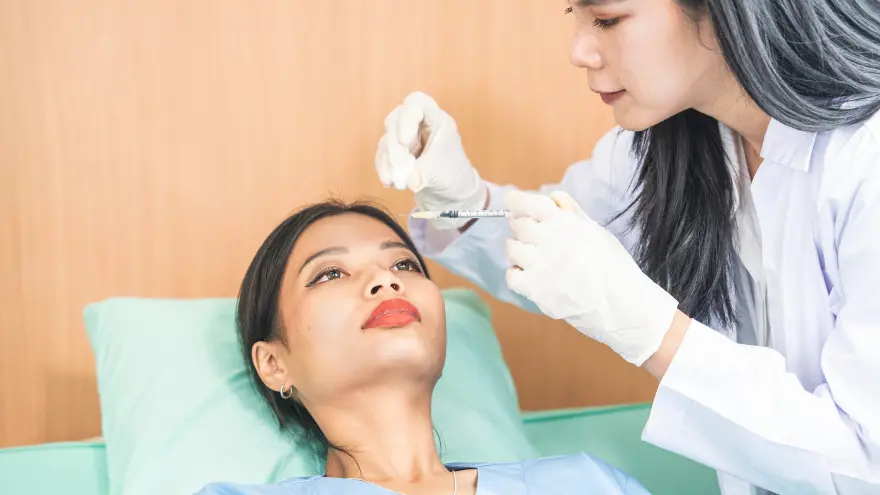
The primary reason patients travel for Eye Diseases Care is the technology gap. While major Russian centers have talented surgeons, the pace at which Korean clinics refresh their medical hardware is unparalleled.
Smart Clinics and AI Integration
Leading Korean clinics utilize "Smart Systems" where Artificial Intelligence (AI) assists in diagnostic imaging. By using AI to analyze Optical Coherence Tomography (OCT) and Fundus photography, doctors can detect microscopic changes in eye tissue years before they become symptomatic.
Minimal Downtime with Advanced Lasers
The use of Femtosecond lasers and robotic-assisted platforms ensures that incisions are microscopic. Procedures like SMILE Pro allow for vision correction with almost no physical impact on the eye's structure, meaning patients recover in hours rather than weeks.
The Financial Reality: Why South Korea is the Cheapest and Best for Treatment
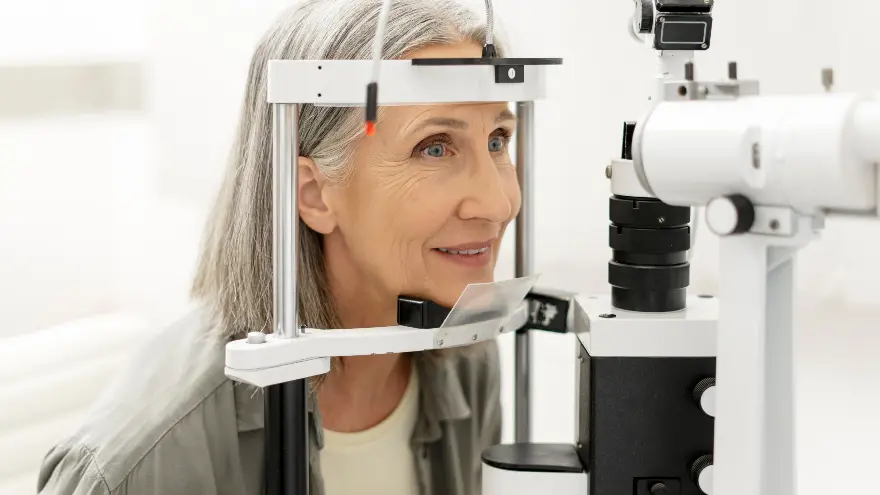
It may seem counterintuitive that a country with more advanced technology can charge significantly less. However, the economic structure of the South Korean medical market is built for efficiency and high volume.
1. Efficiency of Scale
Korean eye hospitals perform a staggering number of surgeries daily. This high volume allows them to purchase premium medical consumables—such as Swiss-made lenses or specialized medical gases—at wholesale prices. These savings are passed directly to the patient.
2. A Competitive Global Hub
The Gangnam district in Seoul features the highest density of world-class eye clinics on the planet. This intense local competition creates a "perfect market" for the consumer. Clinics cannot raise prices arbitrarily; instead, they must compete by offering better technology and more inclusive service packages at lower rates.
3. Government Support and VAT Refunds
The South Korean government views medical tourism as a national priority. To encourage international patients, they offer a 7% to 10% VAT refund on medical procedures. This is essentially an "instant discount" that Russian clinics simply cannot provide.
Cost Comparison: South Korea vs. Russia
In Russia, private clinics often use a fragmented billing system where the surgery price is separate from diagnostics, anesthesia, and post-operative medications. In contrast, South Korean clinics typically offer all-inclusive packages.
| Procedure / Service | Average Cost in Russia | Average Cost in South Korea | Savings Potential |
|---|---|---|---|
| Cataract Surgery (Premium IOL) | $4,500 – $6,500 | $2,800 – $3,500 | ~40% |
| Glaucoma Laser Treatment | $2,500 – $3,800 | $1,500 – $2,200 | ~35% |
| Retinal Detachment Repair | $7,000 – $9,500 | $4,500 – $5,800 | ~38% |
| Comprehensive Eye Screening | $400+ | Included in Package | 100% |
| Airport VAT Refund | N/A | 7% – 10% Cash Back | Instant Cash |
The Patient Journey: From Consultation to Recovery
Beyond the Price: Decision-Making Factors
Essential Questions to Ask Your Korean Surgeon
Frequently Asked Questions
Conclusion
More Articles
Continue reading our ophthalmology guides and vision care insights.

SMILE vs LASIK: Recovery Benchmarks for Vision Correction Care
South Korea has solidified its position as a global epicenter for ophthalmology, with the domestic LASIK and refractive surgery market projected to reach **USD 167.37 million by 2035**, growing at a steady CAGR of 8.54%.
Learn More

Prevalence of Myopia in Korea: The Value of Dream Lens Therapy
The prevalence of myopia among young people in South Korea has reached critical levels, often described as a "myopia epidemic." According to recent data from the **Korean National Health and Nutrition Examination Survey (KNHANES)**, the prevalence of myopia...
Learn More

Multidisciplinary Care: The Future of Korean Pediatric Eye Clinics
The landscape of pediatric eye care in South Korea is shifting rapidly. With nearly **21.9% of Korean children** estimated to be affected by various visual disorders according to nationwide health screenings, the demand for specialized intervention has never...
Learn More