Comprehensive Eye Care & Vision Correction in Incheon · Multilingual International Concierge
23+ Years Clinical Experience
en-US


Ophthalmology Guide
Common Vision Problems in Kids and How to Correct Them
Discover common vision problems in kids, their signs, and effective correction methods. Ensure healthy eyesight—learn more today!
Schedule a ConsultationIntroduction
Children’s eyes are like windows to their world. Every picture book they flip through, every chalkboard they squint at, and every game they play outside depends on healthy vision. Yet, many parents are surprised to learn that vision problems in children are far more common than they think — and not always obvious.
Why Eye Health in Children Matters More Than We Realize
Unlike adults, children often don’t know what “normal vision” looks like. If their eyesight is blurry or distorted, they assume it’s the same for everyone. This is why regular pediatric eye exams are so important. In Korea, where academic performance and digital learning play such a big role in daily life, healthy eyesight can make a remarkable difference in a child’s growth and well-being.
Refractive Errors: Nearsightedness, Farsightedness, and Astigmatism
What it is: These are the most common vision problems in children. Nearsightedness (myopia) makes distant objects blurry, farsightedness (hyperopia) affects close-up vision, and astigmatism causes overall blurred or distorted vision.
Strabismus (Crossed Eyes)
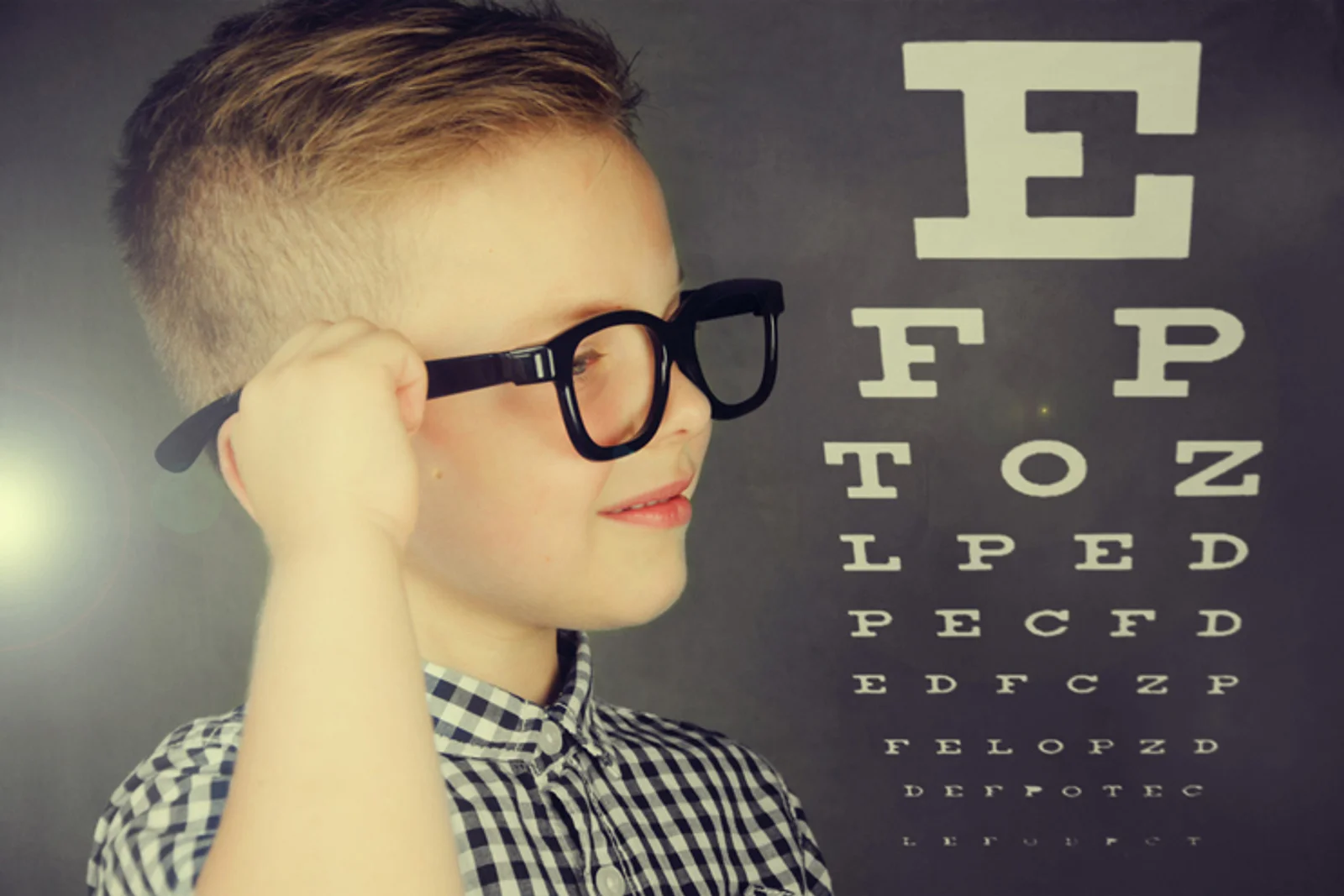
What it is: A condition where the eyes do not align properly, sometimes turning inward or outward. If untreated, the brain may favor one eye over the other, leading to amblyopia (lazy eye).
Amblyopia (Lazy Eye)
What it is: A condition where one eye has reduced vision because the brain is favoring the other. It often develops when strabismus or a refractive error goes untreated.
Pediatric Cataracts and Other Rare Conditions
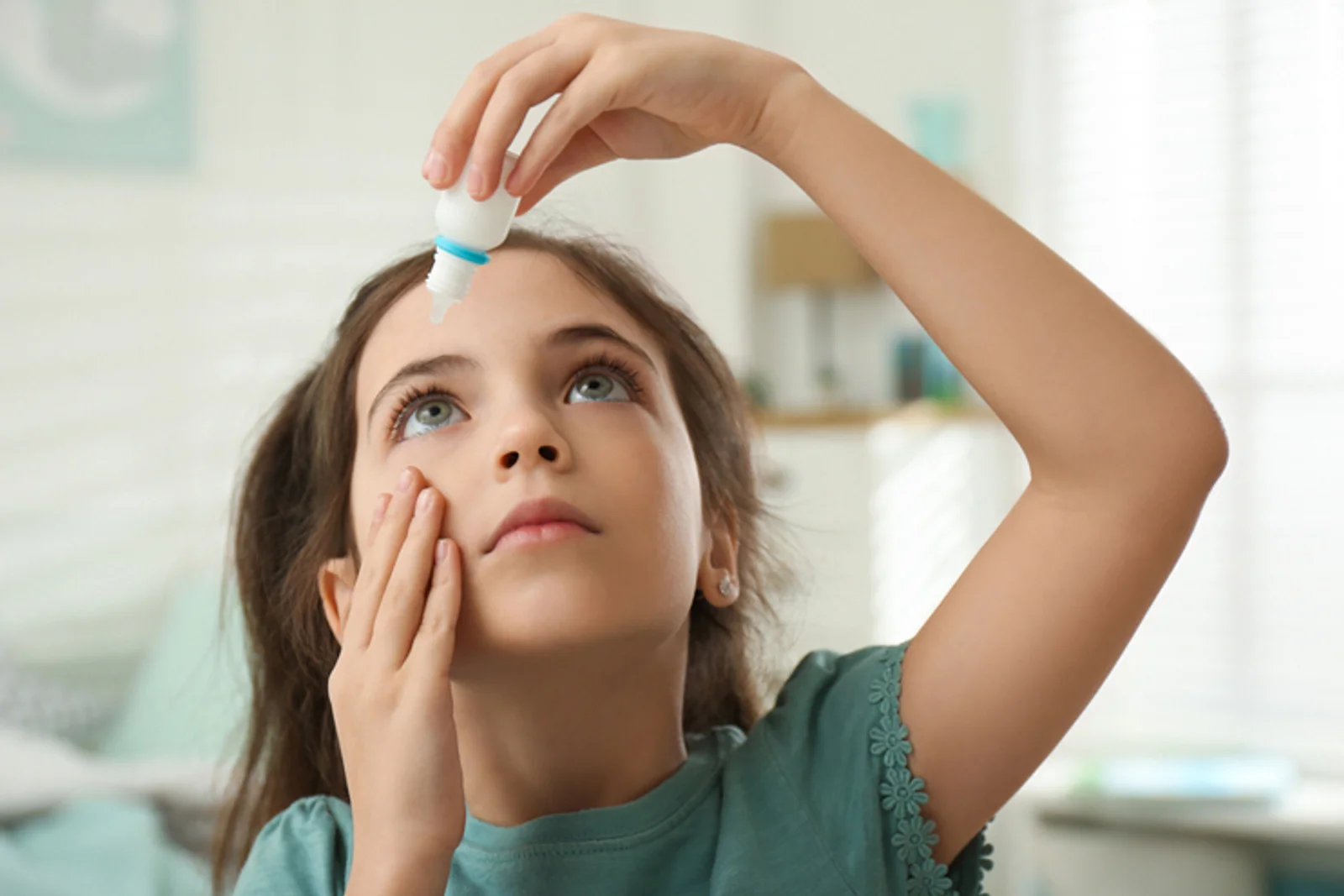
Although less common, children can develop cataracts (clouding of the lens) or congenital eye disorders. These can severely affect vision if not treated promptly.
The Role of Regular Check-Ups
To be honest, many parents wait until a teacher notices something is wrong. But vision issues don’t always show up in academic performance immediately. A comprehensive eye exam every one to two years can detect problems that routine school screenings miss. In fact, school vision checks often focus only on distance vision and may overlook issues like astigmatism or early signs of amblyopia.
Helping Children See Their Future Clearly
Healthy vision is not just about seeing clearly — it’s about learning, playing, and growing with confidence. When children can finally read the board without squinting, join sports without worrying about glasses, or simply enjoy a book without strain, their entire world opens up.
Conclusion: A Clear Path Forward
Vision problems in children are common, but they don’t have to define their future. With early detection, tailored treatments, and compassionate care, most conditions can be corrected or effectively managed. At Global Ubal Eye Center, our mission is to provide children with the gift of clear sight, empowering them to live fully and confidently.
More Articles
Continue reading our ophthalmology guides and vision care insights.

SMILE vs LASIK: Recovery Benchmarks for Vision Correction Care
South Korea has solidified its position as a global epicenter for ophthalmology, with the domestic LASIK and refractive surgery market projected to reach **USD 167.37 million by 2035**, growing at a steady CAGR of 8.54%.
Learn More

Prevalence of Myopia in Korea: The Value of Dream Lens Therapy
The prevalence of myopia among young people in South Korea has reached critical levels, often described as a "myopia epidemic." According to recent data from the **Korean National Health and Nutrition Examination Survey (KNHANES)**, the prevalence of myopia...
Learn More

Multidisciplinary Care: The Future of Korean Pediatric Eye Clinics
The landscape of pediatric eye care in South Korea is shifting rapidly. With nearly **21.9% of Korean children** estimated to be affected by various visual disorders according to nationwide health screenings, the demand for specialized intervention has never...
Learn More