Comprehensive Eye Care & Vision Correction in Incheon · Multilingual International Concierge
23+ Years Clinical Experience
en-US


Ophthalmology Guide
Cataract Surgery with Presbyopia Correction: One Procedure, Many Benefits
Discover the benefits of cataract surgery with presbyopia correction—clear vision at all distances in one procedure. Improve your sight today! Learn more.
Schedule a ConsultationIntroduction: Seeing Clearly, Living Fully
If you've noticed that reading a book, checking your phone, or driving at night has become more difficult, you're not alone. Many adults over the age of 50 begin to experience a frustrating combination of visual challenges: blurry distance vision from cataracts, and difficulty focusing up close due to presbyopia. These changes are a natural part of aging—but they don't have to limit your lifestyle.
Understanding the Problem: Cataracts and Presbyopia Often Come Together
Cataracts: When Clarity Dulls
Cataracts are caused by the clouding of the eye's natural lens, a condition that worsens over time. It’s not something that happens overnight, but many patients describe a gradual haze overtaking their vision—colors lose their vibrancy, glare becomes intense, and even everyday tasks like reading or recognizing faces can feel challenging.
Presbyopia: The Near Vision Struggle
At the same time, presbyopia begins to set in. This age-related condition is caused by the hardening of the lens, which reduces its ability to flex and focus on near objects. It’s why menus, phones, and books seem blurrier unless you hold them farther away—or reach for reading glasses.
One Procedure, Two Corrections: A Modern Surgical Solution
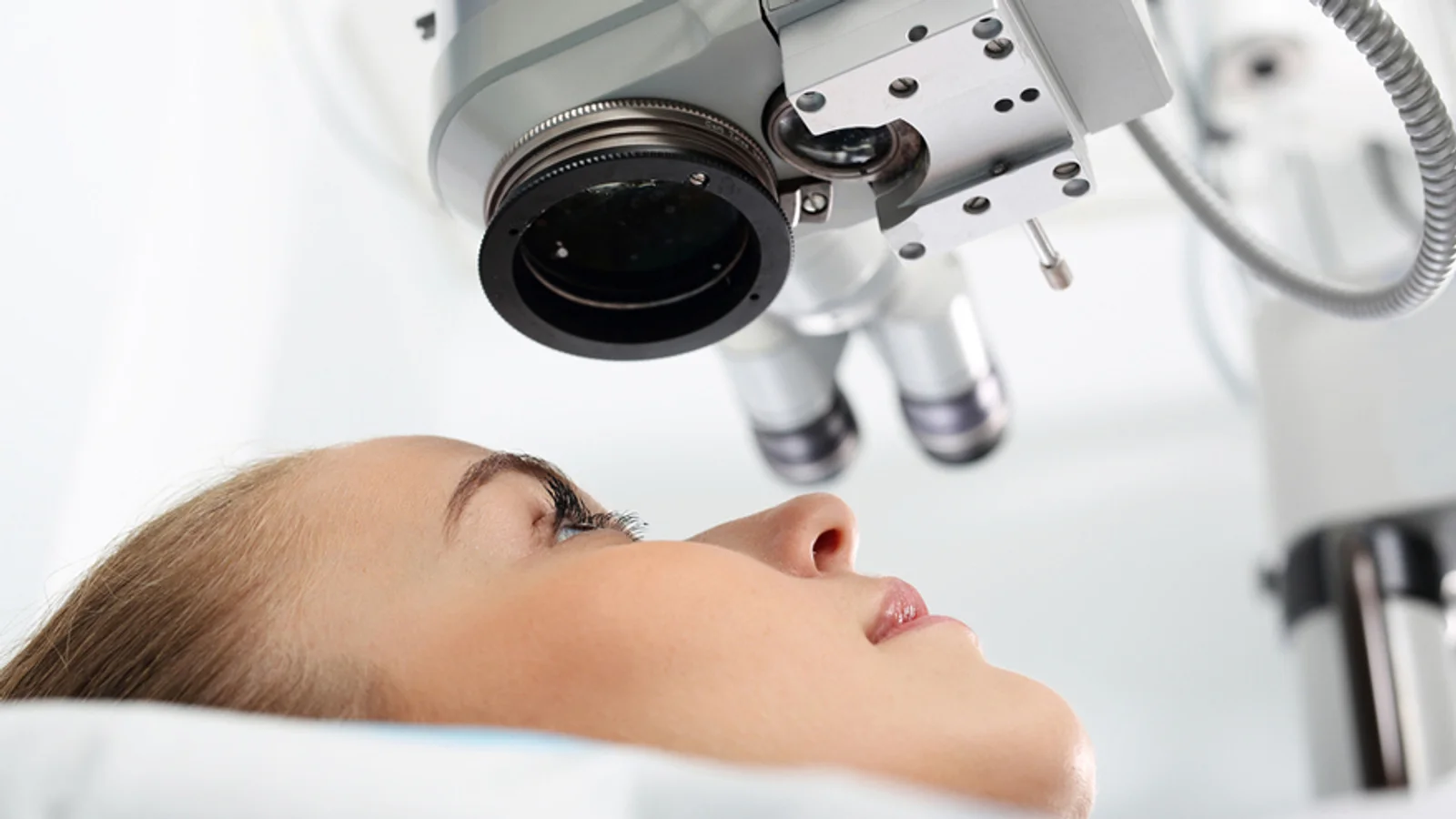
From Removal to Enhancement
Cataract surgery used to mean simply removing the cloudy lens and replacing it with a basic artificial lens. That still works—but it doesn’t solve presbyopia, and most patients still rely on glasses afterward. For many, that was acceptable in the past. But expectations have changed.
Types of Premium Intraocular Lenses
Depending on your eye health and lifestyle, our team may recommend:
- Multifocal IOLs: These provide distinct zones for near, intermediate, and distance vision. They offer great independence from glasses, though they may cause mild glare or halos at night for some patients.
- Extended Depth of Focus (EDOF) IOLs: These create a seamless range of vision and are especially good for reducing glare. They’re ideal for patients who drive at night or work extensively with digital screens.
- Accommodating IOLs: Designed to mimic the eye’s natural focusing mechanism, these lenses shift position slightly inside the eye as you change your focus.
Why Combining These Corrections Matters
More Than Just Clear Vision
When cataract and presbyopia are treated together, the benefits go beyond clinical results. Many patients report a newfound sense of freedom:
- No more switching between multiple pairs of glasses
- Easier time navigating screens, books, and signage
- Clearer night vision, especially when driving
- Enhanced confidence and spontaneity in daily life
- Reconnection with hobbies like painting, sewing, reading, or hiking
Designed for Real-Life Functionality
Presbyopia-correcting lenses are not about chasing perfection. They're about improving your ability to function in everyday life. Whether you're cooking, golfing, working at a computer, or enjoying a night out, your vision supports your lifestyle—not limits it.
What to Expect: The Process at Global Ubal Eye Center
Step 1: In-Depth Evaluation
Every treatment begins with a detailed consultation, including:
- Corneal topography
- Biometry (measuring eye length and curvature)
- Visual lifestyle assessment
- Dry eye testing and ocular health evaluation
- Advanced optical coherence tomography (OCT)
Step 2: The Surgery
Cataract surgery with presbyopia correction is quick, painless, and typically performed under local anesthesia with light sedation. The cloudy lens is gently removed using high-frequency ultrasound or femtosecond laser technology, and the premium IOL is inserted with millimeter-level precision.
Step 3: Recovery
Recovery is fast:
- Many patients report improved vision within 24 hours
- Visual clarity continues to sharpen over a few weeks
- Regular follow-up ensures optimal healing and satisfaction
Who Is a Good Candidate?

Are There Any Drawbacks?
Why Choose Global Ubal Eye Center?
Conclusion: A Clearer Future, Without Compromise
More Articles
Continue reading our ophthalmology guides and vision care insights.

SMILE vs LASIK: Recovery Benchmarks for Vision Correction Care
South Korea has solidified its position as a global epicenter for ophthalmology, with the domestic LASIK and refractive surgery market projected to reach **USD 167.37 million by 2035**, growing at a steady CAGR of 8.54%.
Learn More

Prevalence of Myopia in Korea: The Value of Dream Lens Therapy
The prevalence of myopia among young people in South Korea has reached critical levels, often described as a "myopia epidemic." According to recent data from the **Korean National Health and Nutrition Examination Survey (KNHANES)**, the prevalence of myopia...
Learn More

Multidisciplinary Care: The Future of Korean Pediatric Eye Clinics
The landscape of pediatric eye care in South Korea is shifting rapidly. With nearly **21.9% of Korean children** estimated to be affected by various visual disorders according to nationwide health screenings, the demand for specialized intervention has never...
Learn More