Comprehensive Eye Care & Vision Correction in Incheon · Multilingual International Concierge
23+ Years Clinical Experience
en-US


Ophthalmology Guide
Cataract Surgery vs. Lens Implants: What’s Best for You?
Discover the pros & cons of cataract surgery vs. lens implants. Compare treatments, recovery & outcomes to choose the best option for your vision. Learn more!
Schedule a ConsultationIntroduction
As our eyes age, vision often changes in ways that feel gradual but disruptive. At first, you might notice that streetlights at night appear hazy, or that reading fine print requires more effort than before. Sometimes these changes are simply a part of presbyopia, the natural stiffening of the eye’s lens that makes near tasks difficult.
What is Cataract Surgery?
Cataract surgery is the gold standard treatment for cloudy, aging lenses. The process involves removing the clouded natural lens and replacing it with a clear, artificial intraocular lens (IOL). With modern advancements — including laser-assisted cataract surgery — the procedure has become more precise, efficient, and safe than ever before.
What Are Lens Implants?
Lens implants, often known as refractive lens exchange (RLE) or clear lens extraction, use the same surgical technique as cataract surgery but are performed electively — before cataracts have formed. The natural lens is replaced with an artificial IOL, primarily to correct vision problems like presbyopia, severe farsightedness, or nearsightedness.
How Are They Different?
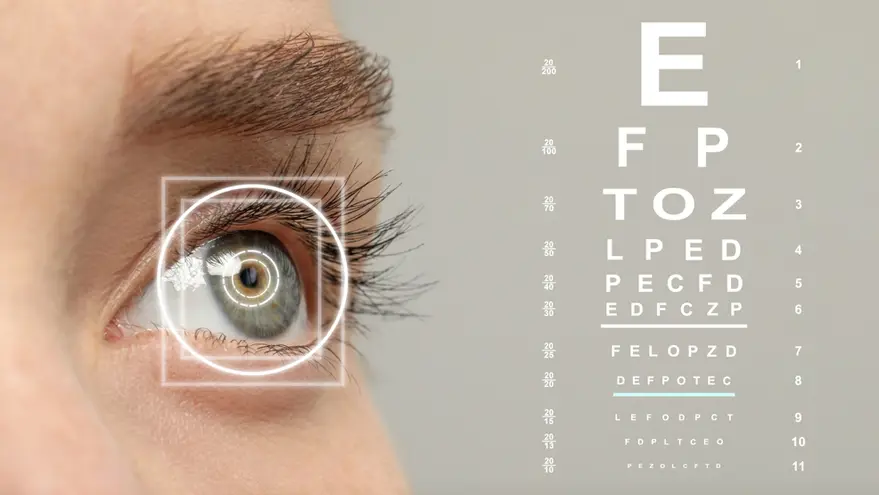
Although the surgical techniques for cataract surgery and lens implants are nearly identical, the motivations are distinct:
- Cataract Surgery: Necessary when cataracts impair vision and daily life.
- Lens Implant (RLE): Elective, chosen to reduce dependence on glasses or contacts even before cataracts form.
The Types of Lenses Available
Whether you undergo cataract surgery or refractive lens exchange, you’ll have options when it comes to intraocular lenses (IOLs):
- Monofocal Lenses: Provide clear vision at one distance (usually far). Reading glasses are still needed.
- Multifocal or Trifocal Lenses: Provide vision at multiple distances, reducing or eliminating the need for glasses.
- Toric Lenses: Specifically designed for patients with astigmatism.
Recovery and Results: What to Expect
Recovery from both cataract surgery and lens implants is relatively quick. Most patients notice improved vision within a few days, though full stabilization may take several weeks. Mild discomfort, dry eye, or sensitivity to light are common but temporary.
Which One is Right for You?
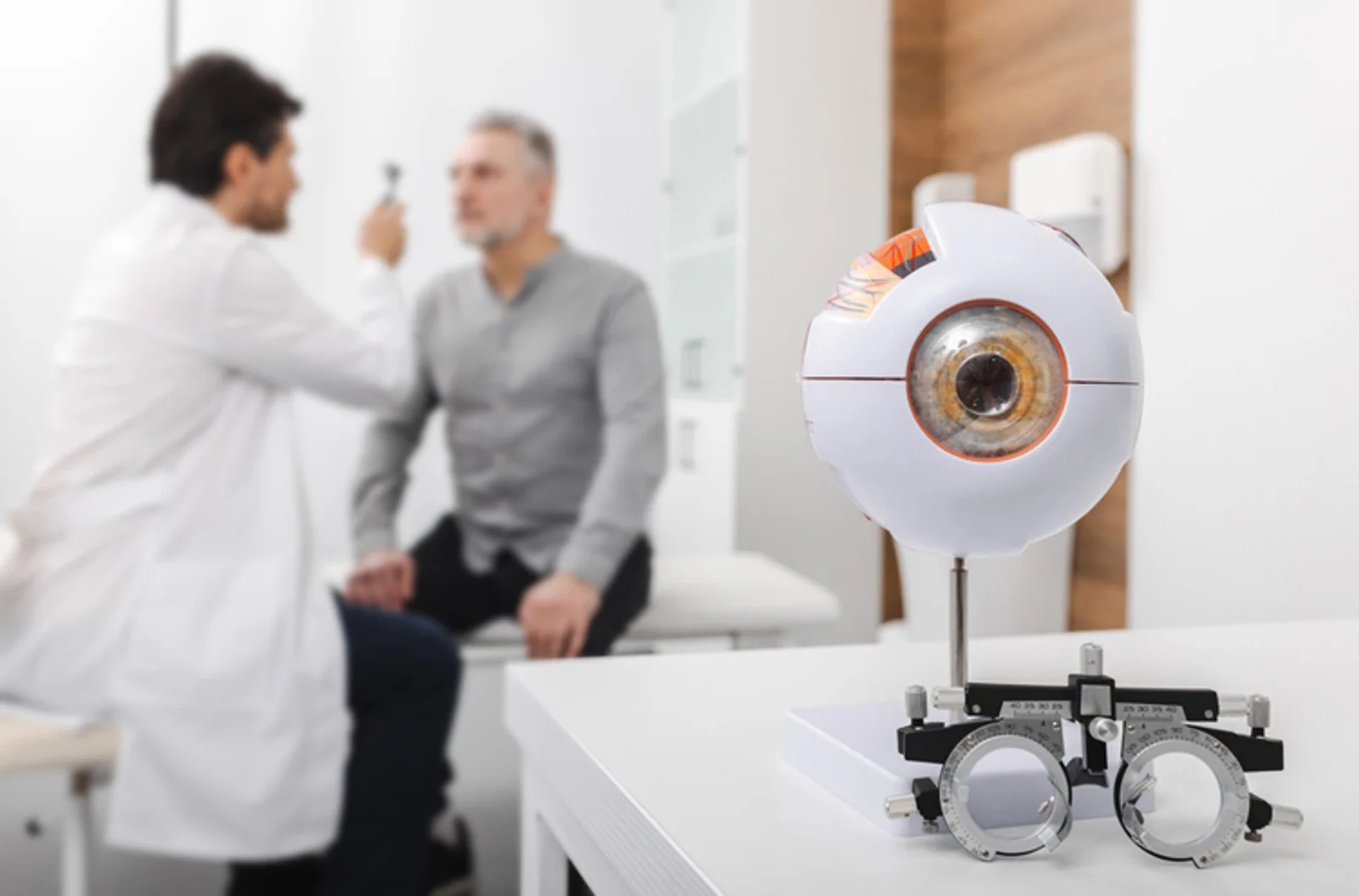
If you have developed cataracts that affect your daily activities, cataract surgery is the clear and necessary choice. However, if your main concern is freedom from glasses or contacts and you don’t yet have cataracts, refractive lens exchange may be more appropriate.
- Age: Younger patients may still benefit from corneal laser surgery, while older patients often turn to lens-based options.
- Eye Health: Conditions like glaucoma, retinal disease, or corneal issues influence the surgical plan and lens selection.
- Lifestyle Needs: Someone who spends long hours at a computer may prefer a different IOL than someone who frequently drives at night.
- Expectations: Patients who value crisp distance vision may lean toward monofocal lenses, while those who prioritize spectacle independence may choose multifocal or trifocal lenses.
Our Perspective at Global Ubal Eye Center
To be honest, the choice between cataract surgery and lens implants isn’t about the technology alone — it’s about your vision goals and what matters most to you. At Global Ubal Eye Center, we take time to listen, to understand your lifestyle, and to perform detailed imaging before making any recommendations.
Conclusion: Choosing Clarity for the Future
Vision changes are a natural part of aging, but you don’t have to live with the frustration of blurred sight, glare, or constant dependence on glasses. Both cataract surgery and lens implants offer clear, long-term solutions — and the right choice depends on your current eye health, your lifestyle, and your vision goals.
More Articles
Continue reading our ophthalmology guides and vision care insights.

SMILE vs LASIK: Recovery Benchmarks for Vision Correction Care
South Korea has solidified its position as a global epicenter for ophthalmology, with the domestic LASIK and refractive surgery market projected to reach **USD 167.37 million by 2035**, growing at a steady CAGR of 8.54%.
Learn More

Prevalence of Myopia in Korea: The Value of Dream Lens Therapy
The prevalence of myopia among young people in South Korea has reached critical levels, often described as a "myopia epidemic." According to recent data from the **Korean National Health and Nutrition Examination Survey (KNHANES)**, the prevalence of myopia...
Learn More

Multidisciplinary Care: The Future of Korean Pediatric Eye Clinics
The landscape of pediatric eye care in South Korea is shifting rapidly. With nearly **21.9% of Korean children** estimated to be affected by various visual disorders according to nationwide health screenings, the demand for specialized intervention has never...
Learn More