Comprehensive Eye Care & Vision Correction in Incheon · Multilingual International Concierge
23+ Years Clinical Experience
en-US


Ophthalmology Guide
Cataract Surgery Korea 2026: Global Ubal Eye Center Incheon
Cataract surgery in Korea at Global Ubal: Cost, experienced surgeons, premium IOL options, and English-speaking care for American patients.
Schedule a ConsultationIntroduction
If you're over 50 and noticing that your vision has gradually become cloudier, dimmer, or more difficult to focus particularly when reading or driving at night you may be experiencing early cataracts. For millions of Americans, cataracts represent an inevitable part of aging.
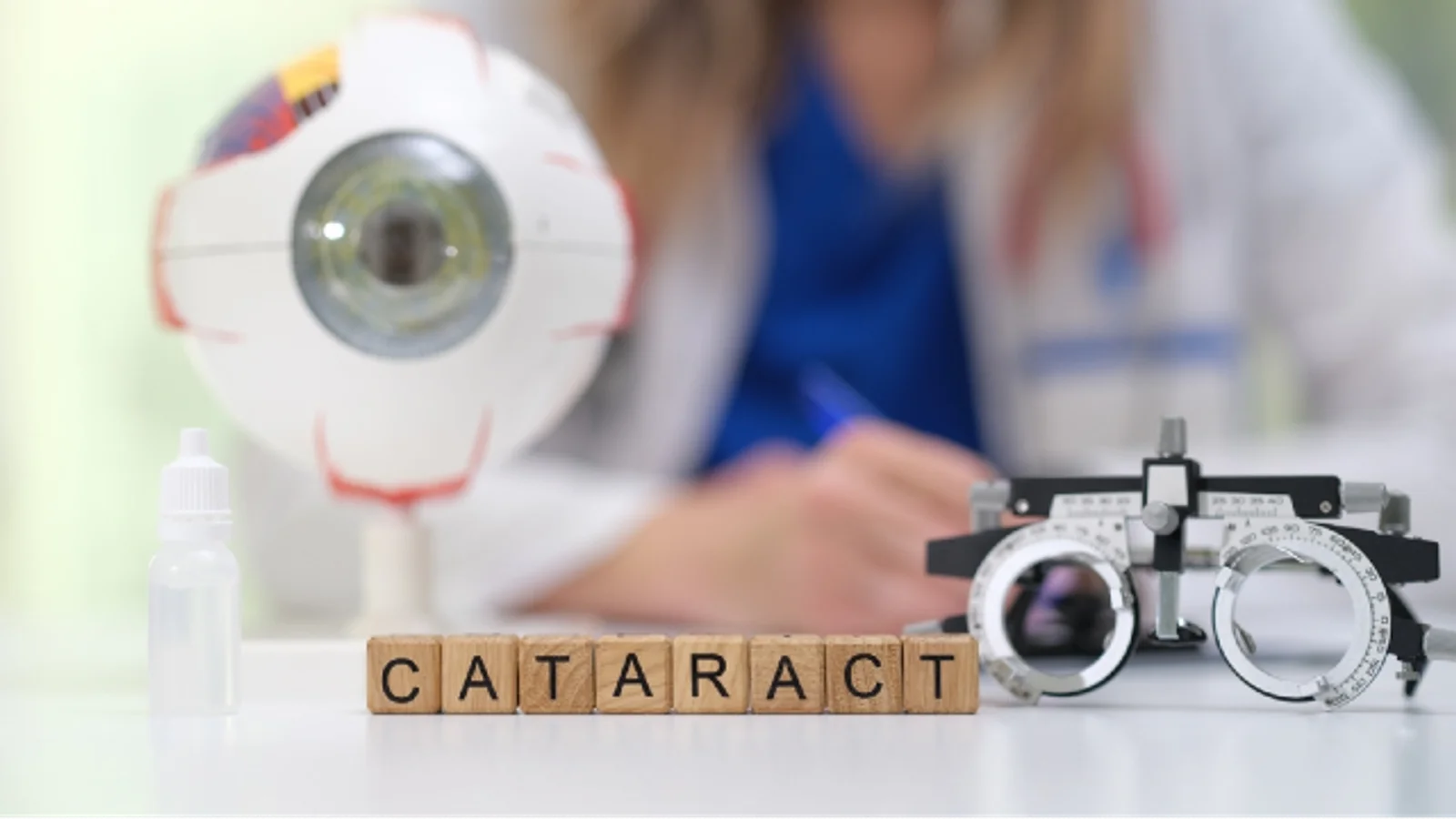
What Is Cataract Surgery? Understanding the Procedure in Korea
Understanding Cataracts: The Vision Problem That Cataract Surgery Solves
Cataracts are a clouding of the eye's natural lens caused by protein aggregation and oxidative damage over time. This progressive opacity dims vision, increases glare sensitivity, and reduces contrast perception until functional impairment occurs. By age 80, more than half of all Americans have had cataract surgery or have cataracts, according to the National Eye Institute.
Intraocular Lens Technology: The Lens That Replaces Your Natural Lens
During cataract surgery, the clouded natural lens is removed and replaced with an intraocular lens, or IOL. This lens acts as a permanent replacement and remains in your eye for life. The IOL is not something that needs maintenance or replacement under normal circumstances. It becomes a functional part of your eye, providing clear light transmission to the retina.
Why South Korea Is a World Leader in Premium Cataract Surgery
South Korea performs over 300,000 cataract surgeries annually, according to the Ministry of Health and Welfare, establishing the country as a global leader in cataract surgical volume and expertise. Korean ophthalmologists are known throughout the world for precision and innovation in both surgical technique and lens technology selection.
Why Cataracts Develop: Age, Risk Factors, and When Surgery Becomes Necessary
The Natural History of Cataracts: Why They Develop and When They Progress
The primary cause of cataracts is age-related protein aggregation and oxidative damage to the lens. Contributing factors include UV exposure from sun exposure without protection, diabetes, certain medications such as corticosteroids, smoking history, and previous eye trauma. The progression timeline varies significantly among individuals.
| Severity Stage | Symptoms | Vision Impact |
|---|---|---|
| Early Cataract | Usually none; may notice slight blur | 20/40 or better |
| Intermediate Cataract | Glare sensitivity, blur on tasks, faded colors | 20/50 to 20/80 |
| Advanced Cataract | Significant blur, difficulty driving, daily activity impact | 20/100 or worse |
Concurrent Eye Conditions: Why Comprehensive Screening Matters Before Cataract Surgery
Patients over 50 presenting with cataracts frequently have concurrent eye conditions that deserve careful evaluation and management. Dry eye disease affects 30 to 40 percent of cataract patients and affects post-operative comfort and visual outcomes significantly. Glaucoma, present in 8 to 12 percent of cataract patients, can affect surgical approach and IOL selection.
| Concurrent Condition | Frequency in Cataract Patients Over 50 | Why It Matters for Surgery | How Global Ubal Screens |
|---|---|---|---|
| Dry Eye Disease | 30–40% | Affects post-op comfort and visual outcomes | Tear break-up time test, osmolarity measurement |
| Glaucoma | 8–12% | Can affect surgical approach and IOL selection | Intraocular pressure, visual field testing, optic nerve imaging |
| Age-Related Macular Degeneration | 10–15% (age 65+) | Affects realistic vision expectations; requires monitoring | OCT macula imaging, fundus examination |
| Diabetic Retinopathy | 5–8% (if diabetic) | Requires careful surgical planning and post-op monitoring | Dilated retinal examination, OCT angiography |
The Cataract Surgery Procedure: How Global Ubal Eye Center Performs Advanced Extraction
Pre-Operative Assessment and Biometry: Precise IOL Selection at Global Ubal Eye Center
Optimal surgical outcomes begin with meticulous pre-operative evaluation and precise IOL power calculation. Global Ubal Eye Center uses advanced testing protocols to measure corneal shape and power, anterior segment anatomy, axial eye length, and keratometry values. These measurements feed into sophisticated IOL calculation formulas that select the ideal IOL power to give optimal post-operative refraction.
Femtosecond Laser-Assisted Cataract Surgery (FLACS) Procedure Steps
Recovery Timeline and Post-Operative Care After Cataract Surgery
| Timeline | Vision Clarity | Activity Level | Eye Drop Regimen | Work/Travel Status |
|---|---|---|---|---|
| Day 1 post-op | 20/50–20/100 | Rest at home | Antibiotics + steroids 4x/day | Stay in Incheon for exam |
| Days 2–7 | 20/40–20/60 | Light activities | Antibiotics + steroids 3–4x/day | Light office work remotely |
| Weeks 2–3 | 20/25–20/40 | Normal activities | Steroids 1–2x/day, taper | Return to normal work |
| Weeks 4+ | 20/20–20/15 | All activities | Drops as needed or discontinued | Full activity clearance |
Cataract Surgery Korea Cost: Pricing, Financing, and Value Comparison
| IOL Type | Price Range | Best For | Glasses Dependency Post-Op |
|---|---|---|---|
| Monofocal Standard | $2,500–$3,000 | Distance-focused patients | Reading glasses needed |
| Multifocal Premium | $4,000–$5,000 | Patients wanting minimal glasses | ~80% glasses-free for most tasks |
| Extended Depth-of-Focus (EDOF) | $3,500–$4,500 | Patients wanting premium intermediate vision | ~85% glasses-free for most tasks |
| Toric (Astigmatism) | $3,500–$4,500 | Astigmatic patients | Reduced or no astigmatism glasses |
| Factor | USA Premium Facility | Global Ubal Eye Center |
|---|---|---|
| Multifocal cataract surgery (both eyes) | $18,000–$24,000 | $4,000–$5,000 |
| Surgeon qualifications | Board-certified | Board-certified, high-volume specialist |
| IOL technology | Premium multifocal available | Premium multifocal + EDOF available |
| Surgical technique | Phacoemulsification or FLACS | FLACS standard |
| Post-operative follow-up | In-person in-office | In-person (1 visit) + virtual follow-ups |
| All-in trip cost (surgery + flights + hotel) | Not applicable (local) | $6,500–$8,000 total |
Intraocular Lens Options: Choosing the Right Lens for Your Lifestyle and Vision Needs
Why Choose Global Ubal Eye Center for Cataract Surgery in Incheon
How to Book Your Cataract Surgery at Global Ubal Eye Center

Contact Information and Booking Details
Frequently Asked Questions About Cataract Surgery in Korea
Conclusion
About the Author
More Articles
Continue reading our ophthalmology guides and vision care insights.

SMILE vs LASIK: Recovery Benchmarks for Vision Correction Care
South Korea has solidified its position as a global epicenter for ophthalmology, with the domestic LASIK and refractive surgery market projected to reach **USD 167.37 million by 2035**, growing at a steady CAGR of 8.54%.
Learn More

Prevalence of Myopia in Korea: The Value of Dream Lens Therapy
The prevalence of myopia among young people in South Korea has reached critical levels, often described as a "myopia epidemic." According to recent data from the **Korean National Health and Nutrition Examination Survey (KNHANES)**, the prevalence of myopia...
Learn More

Multidisciplinary Care: The Future of Korean Pediatric Eye Clinics
The landscape of pediatric eye care in South Korea is shifting rapidly. With nearly **21.9% of Korean children** estimated to be affected by various visual disorders according to nationwide health screenings, the demand for specialized intervention has never...
Learn More