Comprehensive Eye Care & Vision Correction in Incheon · Multilingual International Concierge
23+ Years Clinical Experience
en-US


Ophthalmology Guide
Cataract Surgery Guide: What to Expect Before, During & After
Learn what to expect before, during, and after cataract surgery, including preparation, recovery, and advanced treatment options at Global Ubal Eye Center.
Schedule a ConsultationIntroduction: A Life-Changing Procedure for Restored Vision
Cataracts are a leading cause of vision impairment, especially in older adults. As the natural lens of the eye becomes clouded over time, it obstructs clear vision, making everyday tasks like reading, driving, and seeing in low light increasingly difficult. Fortunately, cataract surgery offers a highly effective solution, often restoring vision to levels better than before the onset of cataracts.
Understanding Cataracts: Causes and Symptoms
Cataracts develop when the proteins in the eye’s lens begin to break down, causing the lens to become cloudy. As this cloudiness blocks light from passing through, vision becomes blurry. Common causes include:
- Age: Cataracts typically develop gradually, with most people experiencing some form by age 60.
- Diabetes: High blood sugar can speed up the development of cataracts.
- UV Exposure: Long-term exposure to sunlight can damage the lens.
- Lifestyle Factors: Smoking and certain medications, like corticosteroids, increase the risk of cataract formation.
- Eye Injuries: Previous eye trauma can contribute to cataracts.
Preparation for Cataract Surgery: Ensuring a Successful Outcome
The key to a successful cataract surgery lies in thorough preparation. Before the procedure, your ophthalmologist will conduct various assessments to ensure your eyes are healthy and ready for surgery. This may include:
- Fasting Instructions: You may need to avoid eating or drinking for several hours before the surgery.
- Arrange Transportation: Plan for someone to drive you home after the surgery, as you won’t be able to drive yourself.
- Post-Op Medication: You may be prescribed antibiotic eye drops to prevent infection.
Types of Cataract Surgery: Tailored to Your Needs
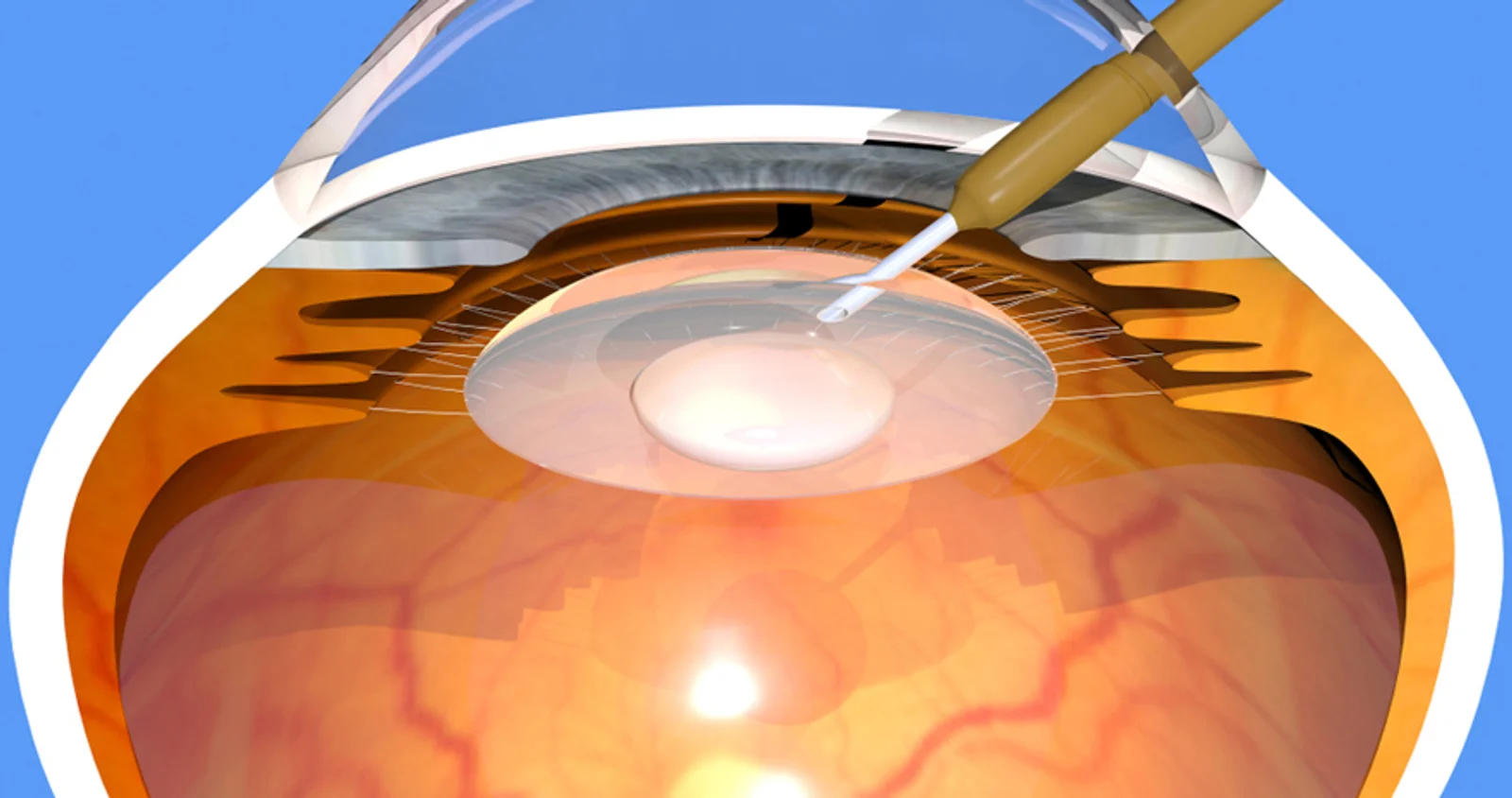
Cataract surgery has evolved significantly in recent years, offering a range of techniques designed to suit different patient needs. The two main types are:
Choosing the Right Intraocular Lens (IOL)
A crucial part of cataract surgery is selecting the right IOL. There are different options depending on your vision needs:
- Monofocal Lenses: These provide clear vision at one distance (usually for distance vision) and require glasses for reading.
- Multifocal Lenses: These lenses allow for clear vision at multiple distances, reducing or eliminating the need for glasses.
- Toric Lenses: Designed to correct astigmatism, in addition to cataracts.
The Cataract Surgery Procedure: What to Expect
- Before the Surgery The surgical team will prepare you for the procedure by ensuring you fully understand the steps and your role in post-operative care. Expect a brief preparation time in the operating room, where your eye will be numbed with local anesthesia.
- During the Surgery Cataract surgery is typically completed within 15 to 30 minutes. Most patients report little to no pain, and the procedure is relatively straightforward. Your surgeon will use advanced tools to remove the cloudy lens and replace it with the selected IOL.
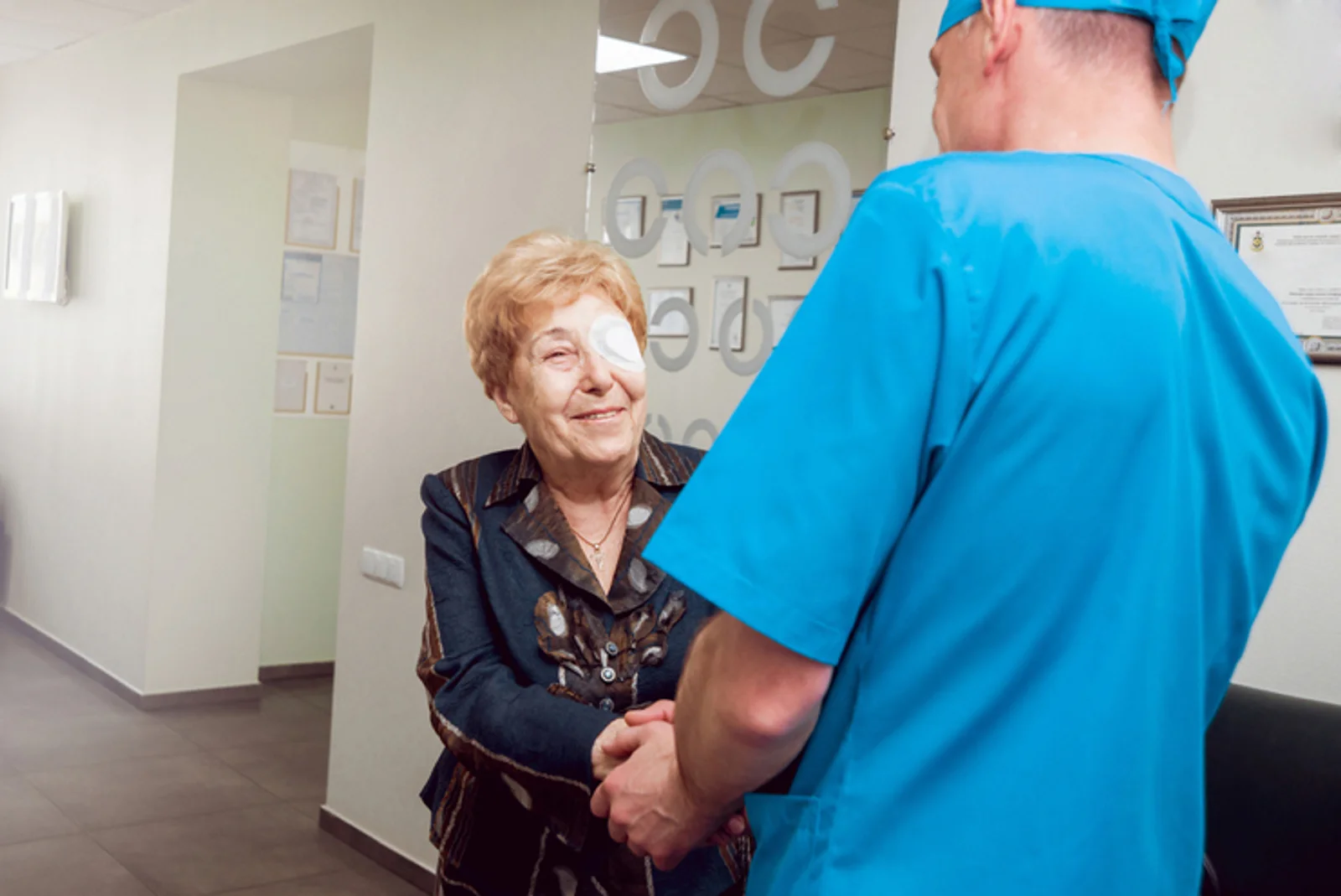
- After the Surgery Recovery after cataract surgery is generally quick, although you may experience temporary blurry vision or light sensitivity. You’ll be asked to rest for a short period at the clinic, and you will need to follow the prescribed regimen for using eye drops to prevent infection and inflammation.
Managing Risks and Complications: What You Should Know
While cataract surgery is generally very safe, like any surgery, there are some risks involved. These include:
- Infection: Though rare, infections can occur, especially if post-operative care instructions are not followed.
- Inflammation: Mild irritation or swelling can happen, but it’s usually manageable with eye drops.
- Retinal Detachment: A rare complication, but one that requires immediate attention if symptoms occur.
- Increased Eye Pressure: Some patients experience temporary changes in intraocular pressure, which can be managed effectively.
Cataract Surgery Recovery: What to Expect
Recovery is generally straightforward, but it’s crucial to follow your doctor’s instructions closely. During the first few days:
Why Choose Global Ubal Eye Center for Your Cataract Surgery

FAQs About Cataract Surgery
Conclusion: Restoring Clear Vision with Cataract Surgery
More Articles
Continue reading our ophthalmology guides and vision care insights.

SMILE vs LASIK: Recovery Benchmarks for Vision Correction Care
South Korea has solidified its position as a global epicenter for ophthalmology, with the domestic LASIK and refractive surgery market projected to reach **USD 167.37 million by 2035**, growing at a steady CAGR of 8.54%.
Learn More

Prevalence of Myopia in Korea: The Value of Dream Lens Therapy
The prevalence of myopia among young people in South Korea has reached critical levels, often described as a "myopia epidemic." According to recent data from the **Korean National Health and Nutrition Examination Survey (KNHANES)**, the prevalence of myopia...
Learn More

Multidisciplinary Care: The Future of Korean Pediatric Eye Clinics
The landscape of pediatric eye care in South Korea is shifting rapidly. With nearly **21.9% of Korean children** estimated to be affected by various visual disorders according to nationwide health screenings, the demand for specialized intervention has never...
Learn More