Comprehensive Eye Care & Vision Correction in Incheon · Multilingual International Concierge
23+ Years Clinical Experience
en-US


Ophthalmology Guide
Cataract Surgery for Better Vision: What to Expect
Cataract surgery restores vision by removing the cloudy lens and replacing it with a clear intraocular lens for improved sight and faster recovery.
Schedule a ConsultationIntroduction
Cataracts are a common condition, especially in older adults, and are a leading cause of vision impairment worldwide. As the lens of the eye becomes cloudy due to age, trauma, or other factors, people may experience blurry vision, glare, and difficulty seeing at night. Cataract surgery is one of the most effective ways to restore vision and improve the quality of life for those affected by this condition.
Before the Surgery: Preparing for the Procedure
A successful cataract surgery begins with careful planning and preparation. Here’s what you can expect before the procedure:
- Consultation and Eye Exams: The first step in preparing for cataract surgery is a thorough eye exam conducted by your eye doctor. This exam will include measuring the shape and size of your eye, checking for any other underlying eye conditions, and determining the appropriate intraocular lens (IOL) for your specific needs. The type of IOL you choose will depend on factors such as your lifestyle, preferences, and whether you have other conditions like astigmatism. These tests help your surgeon plan for the surgery and ensure the best possible outcome.
- Pre-Surgical Instructions: Your doctor will give you specific instructions to follow in the days leading up to the surgery. This may include stopping certain medications that could affect the surgery or your healing process. You will also be asked to avoid eating or drinking for several hours before the surgery to prevent any complications from anesthesia.
- Arrangements for Post-Surgery Care: Since cataract surgery is usually performed under local anesthesia, you will remain awake during the procedure. However, you will not be able to drive yourself home afterward, as you will likely be given a sedative. Arrange for a family member or friend to take you home and assist you during the first few days of recovery.
During the Surgery: What Happens in the Operating Room
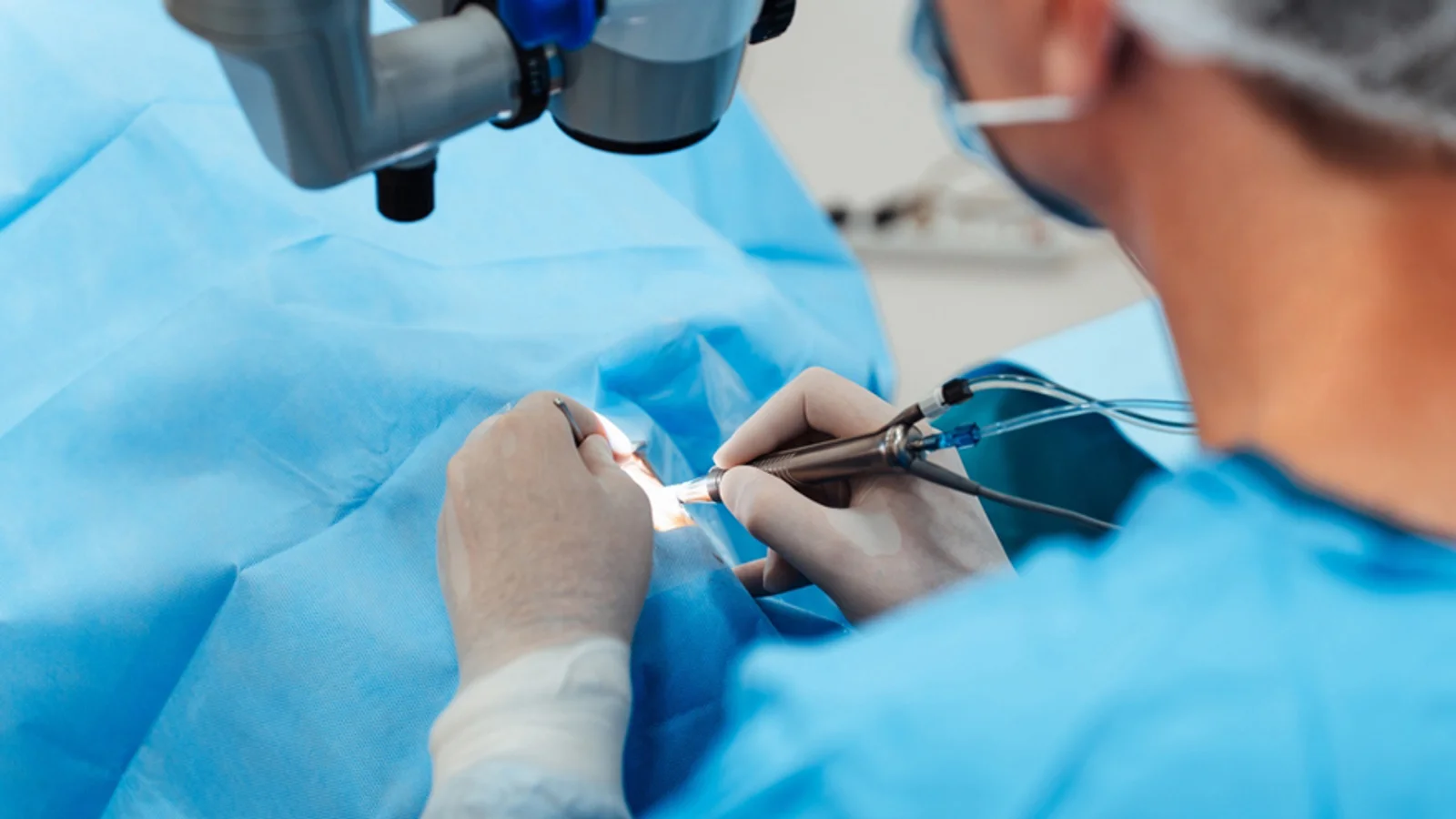
Cataract surgery is typically performed in an outpatient setting, meaning you can go home the same day. Here’s what to expect during the surgery:
- Anesthesia: Cataract surgery is performed under local anesthesia, which means you will be awake but your eye will be numbed to prevent pain. In some cases, you may also receive a mild sedative to help you relax during the procedure. The sedative will ensure that you remain calm and comfortable throughout the surgery.
- The Surgical Procedure: The surgery itself usually lasts between 15 to 30 minutes, making it relatively quick and painless. The surgeon will make a small incision in the cornea (the clear outer layer of the eye). Using a technique called phacoemulsification, the surgeon will break up the cloudy lens into small fragments using ultrasound waves. These fragments are then suctioned out of the eye.
- Inserting the Intraocular Lens (IOL): After the cataract is removed, the surgeon will insert a new, clear artificial lens (IOL) into the eye. The IOL is a permanent lens that helps focus light onto the retina, restoring clear vision. The lens is carefully chosen based on your specific needs, and the type of IOL will depend on your visual goals, whether you prefer to reduce your dependence on glasses or improve your vision at multiple distances.
- Finishing the Procedure: The incision made during surgery is so small that it typically doesn't require stitches. The eye will be closed naturally as it heals, and a protective shield or patch will be applied to prevent any accidental pressure on the eye during recovery.
After the Surgery: Recovery and Care
After cataract surgery, your eye will need time to heal, and the recovery process is an essential part of achieving the best results. Here’s what you can expect after the procedure:
- Immediate Recovery: Many patients notice an improvement in their vision within the first day or two following the surgery. Your vision may be blurry or cloudy right after the procedure, but this should improve over the course of a few days. Some people also report mild discomfort or irritation, which is normal, but it should subside within a short time.
- Wearing an Eye Shield: To protect your eye while it heals, your doctor will recommend wearing an eye shield or patch, especially while sleeping. This helps prevent accidental rubbing or pressure on the eye and ensures the healing process isn’t interrupted.
- Prescribed Eye Drops: Your doctor will prescribe eye drops to help prevent infection and reduce inflammation. These drops should be used as directed to promote healing and reduce the risk of complications. It's crucial to follow your doctor’s instructions carefully and use the eye drops regularly for the prescribed duration.
- Follow-Up Appointments: Several follow-up appointments will be scheduled after the surgery to monitor the healing process. During these visits, your doctor will assess the recovery and check for any potential complications. If there are no issues, your vision should continue to improve in the weeks following surgery.
- Restrictions and Activity Limitations: In the first few weeks after surgery, you’ll need to avoid strenuous activities, such as heavy lifting, bending over, or swimming. These activities can increase pressure in the eye and hinder the healing process. Your doctor will also advise you to avoid rubbing your eye and to be cautious when performing tasks like driving.
Risks and Complications: What You Need to Know
Expected Results: Restoring Clear Vision
Why Choose Global Ubal Eye Center for Your Cataract Surgery?
Conclusion
More Articles
Continue reading our ophthalmology guides and vision care insights.

SMILE vs LASIK: Recovery Benchmarks for Vision Correction Care
South Korea has solidified its position as a global epicenter for ophthalmology, with the domestic LASIK and refractive surgery market projected to reach **USD 167.37 million by 2035**, growing at a steady CAGR of 8.54%.
Learn More

Prevalence of Myopia in Korea: The Value of Dream Lens Therapy
The prevalence of myopia among young people in South Korea has reached critical levels, often described as a "myopia epidemic." According to recent data from the **Korean National Health and Nutrition Examination Survey (KNHANES)**, the prevalence of myopia...
Learn More

Multidisciplinary Care: The Future of Korean Pediatric Eye Clinics
The landscape of pediatric eye care in South Korea is shifting rapidly. With nearly **21.9% of Korean children** estimated to be affected by various visual disorders according to nationwide health screenings, the demand for specialized intervention has never...
Learn More