Comprehensive Eye Care & Vision Correction in Incheon · Multilingual International Concierge
23+ Years Clinical Experience
en-US

Ophthalmology Guide
Cataract Surgery and Presbyopia Correction in One Procedure
Discover how cataract surgery combined with presbyopia correction offers clear vision at all distances. Learn more about this advanced treatment today!
Schedule a ConsultationIntroduction
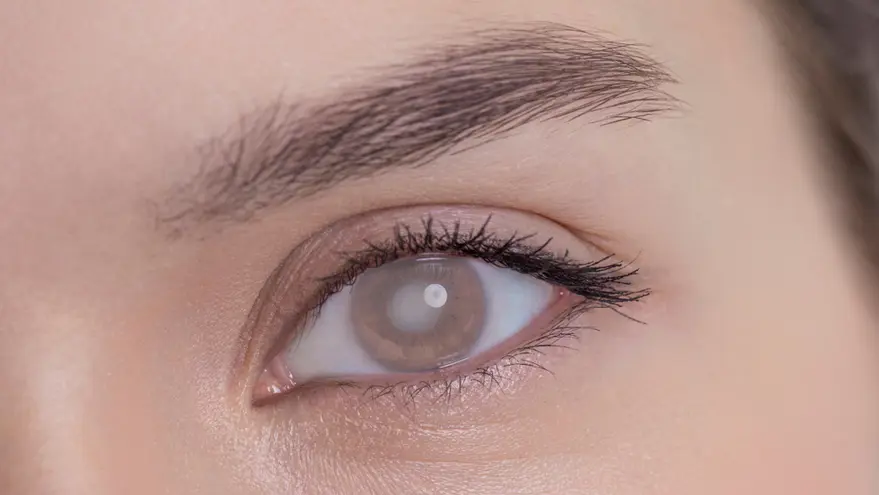
For many people, age brings the dual challenge of cataracts and presbyopia, two conditions that affect vision in different but often complementary ways. Cataracts cause blurry or cloudy vision due to the natural lens of the eye becoming opaque, while presbyopia diminishes the ability to focus on close-up objects, making reading glasses a necessity.
Understanding Cataracts and Presbyopia
Before we explore the benefits of combining cataract surgery with presbyopia correction, let’s take a moment to understand both conditions more deeply.
Cataracts: What You Need to Know
Cataracts are a natural part of aging, affecting millions of people worldwide. The lens of the eye, which helps focus light onto the retina, becomes cloudy over time. This cloudiness can cause vision problems, including:
- Blurry or hazy vision
- Sensitivity to light
- Difficulty seeing at night
- Fading or yellowing of colors
Presbyopia: A Common Age-Related Condition
Presbyopia, on the other hand, is the gradual loss of the eye's ability to focus on nearby objects. It typically begins to affect people in their 40s and 50s and worsens with age. If you’ve found yourself needing reading glasses or struggling to read small text, chances are you’re experiencing presbyopia.
The Rise of Combining Cataract Surgery with Presbyopia Correction
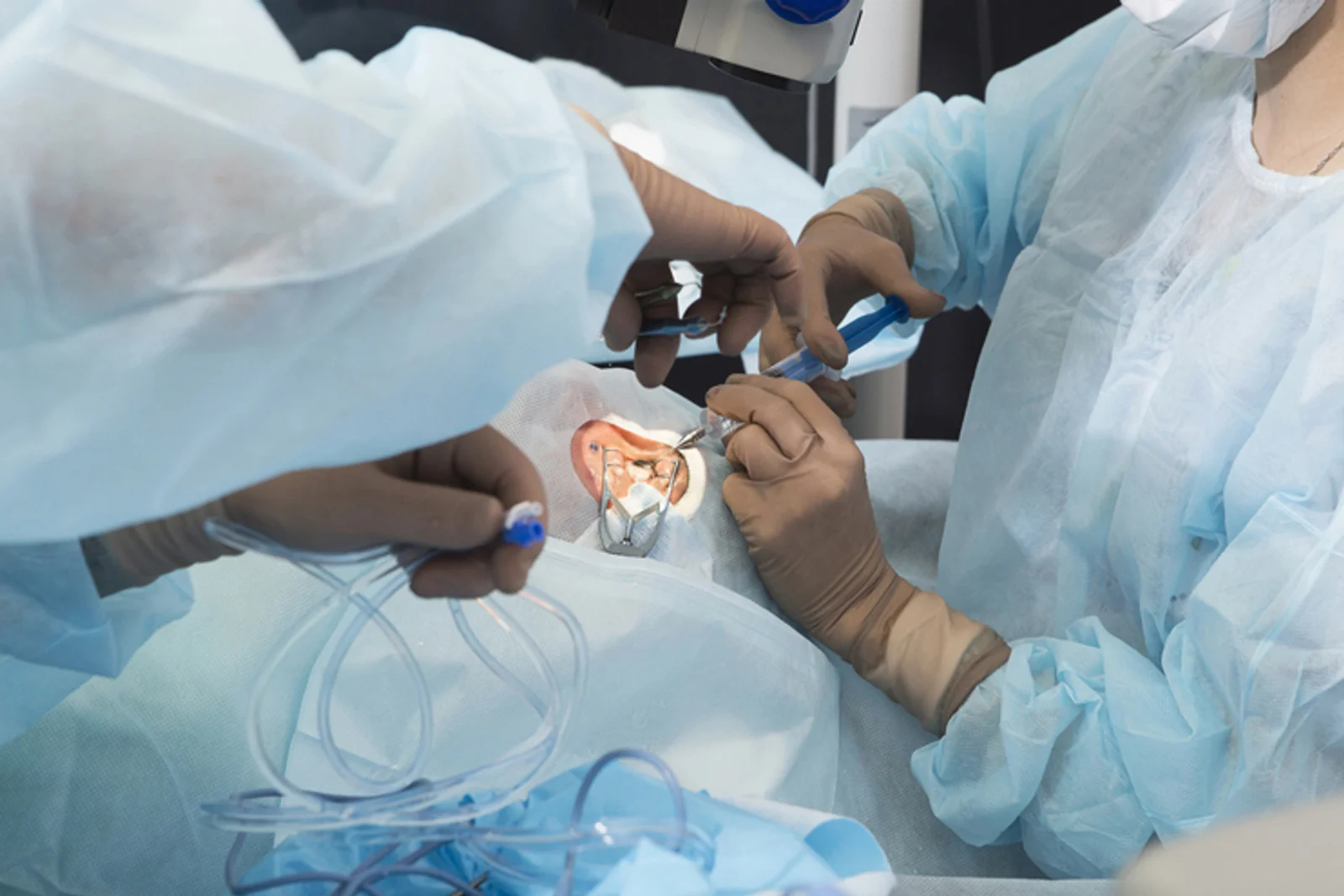
In recent years, there has been a significant shift in how we approach cataract surgery—an evolution that goes beyond simply restoring clarity to blurred vision. With age, many people experience not only cataracts, but also presbyopia, a condition that makes it difficult to focus on close objects. For those who find themselves in this situation, a traditional cataract surgery might not address all their vision needs.
How Cataract Surgery and Presbyopia Correction Work Together
The key to combining cataract surgery with presbyopia correction lies in the use of premium intraocular lenses (IOLs). While traditional monofocal IOLs used for cataract surgery only focus on one distance—usually far—modern presbyopia-correcting IOLs are designed to give patients clearer vision at multiple distances.
1. Multifocal IOLs
Multifocal IOLs are designed with different zones that focus at various distances. These lenses allow patients to see clearly at near, intermediate, and far distances, making them ideal for those who want to reduce or eliminate the need for reading glasses after cataract surgery.
2. Accommodating IOLs
Accommodating IOLs are another option that mimics the eye’s natural focusing ability. These lenses shift position inside the eye to provide better near and distance vision. Unlike multifocal lenses, which use distinct focusing zones, accommodating IOLs move slightly to allow the eye to focus on different distances. This flexibility can be particularly beneficial for patients who seek more natural, seamless vision.
3. Extended Depth of Focus (EDOF) IOLs
EDOF IOLs are a newer class of lenses designed to provide a continuous range of vision. These lenses create a stretched focal point, so patients can see well at various distances, from near to far, with minimal reliance on glasses. EDOF lenses offer superior visual quality, particularly for those with presbyopia, without sacrificing the clarity that cataract surgery provides.
Benefits of Combining Cataract Surgery and Presbyopia Correction

When cataract surgery is paired with presbyopia correction, the benefits extend far beyond simply clearing up cloudy vision. Here are some of the most compelling reasons why this combined procedure is gaining popularity:
1. Improved Visual Range
The main advantage is the ability to see at multiple distances. Patients who undergo this dual procedure often find they can see clearly at near, intermediate, and far distances, all without the need for reading glasses, bifocals, or contact lenses. This is particularly appealing to people who want to regain their independence and reduce the hassle of constantly reaching for glasses.
Who is a Good Candidate for This Combined Procedure?
Conclusion
More Articles
Continue reading our ophthalmology guides and vision care insights.

SMILE vs LASIK: Recovery Benchmarks for Vision Correction Care
South Korea has solidified its position as a global epicenter for ophthalmology, with the domestic LASIK and refractive surgery market projected to reach **USD 167.37 million by 2035**, growing at a steady CAGR of 8.54%.
Learn More

Prevalence of Myopia in Korea: The Value of Dream Lens Therapy
The prevalence of myopia among young people in South Korea has reached critical levels, often described as a "myopia epidemic." According to recent data from the **Korean National Health and Nutrition Examination Survey (KNHANES)**, the prevalence of myopia...
Learn More

Multidisciplinary Care: The Future of Korean Pediatric Eye Clinics
The landscape of pediatric eye care in South Korea is shifting rapidly. With nearly **21.9% of Korean children** estimated to be affected by various visual disorders according to nationwide health screenings, the demand for specialized intervention has never...
Learn More