Comprehensive Eye Care & Vision Correction in Incheon · Multilingual International Concierge
23+ Years Clinical Experience
en-US

Ophthalmology Guide
Cataract Surgery and Presbyopia Correction: A Glasses-Free Future
Discover how cataract surgery with presbyopia correction can restore clear vision and reduce your dependence on glasses. Explore your glasses-free future today!
Schedule a ConsultationIntroduction
If you’ve ever noticed print getting fuzzier or struggled to see street signs at dusk, you’re not alone. Vision changes are one of the most human experiences — subtle at first, then unmistakable. Two of the most common vision challenges adults face are cataracts and presbyopia.
Beyond Cloudiness: Understanding Cataracts and Presbyopia
You might think of cataracts as “cloudy lenses,” and in a way, that’s a helpful image. A healthy crystalline lens inside the eye is clear and flexible, allowing light to focus sharply on the retina. Over time, proteins clump and scatter light, creating cataracts that blur vision. Yellowing and glare become noticeable — driving at night feels harder, reading small text feels tiring, and colors lose vibrancy.
Why Traditional Glasses Aren’t the Complete Answer
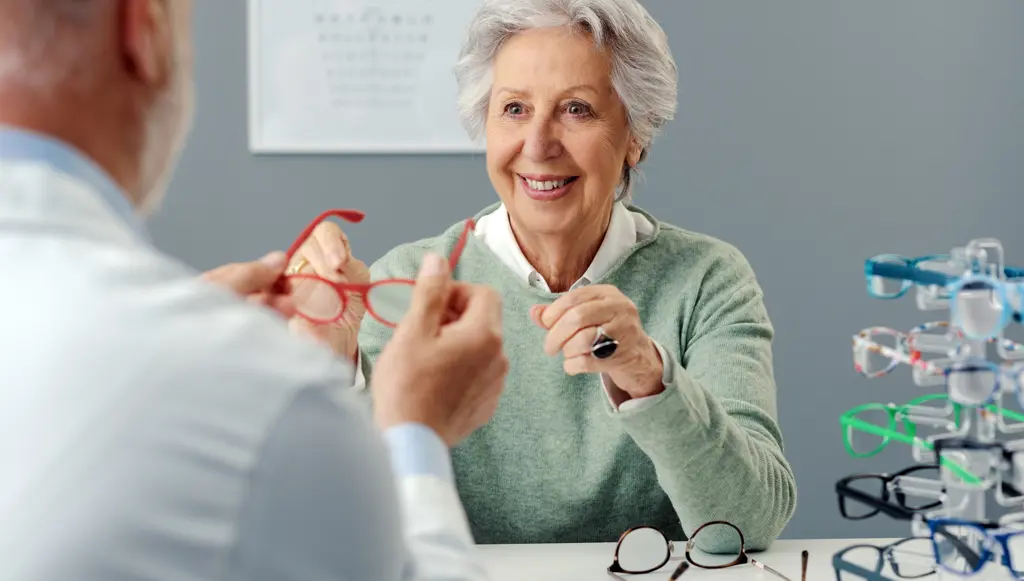
Glasses are wonderful tools. They’re non-invasive, adjustable, and familiar. But for many adults, glasses become a dependency — especially when switching between distances: reading glasses for near, sunglasses for driving, bifocals or progressives for everything in between.
The Power of Modern Cataract Surgery
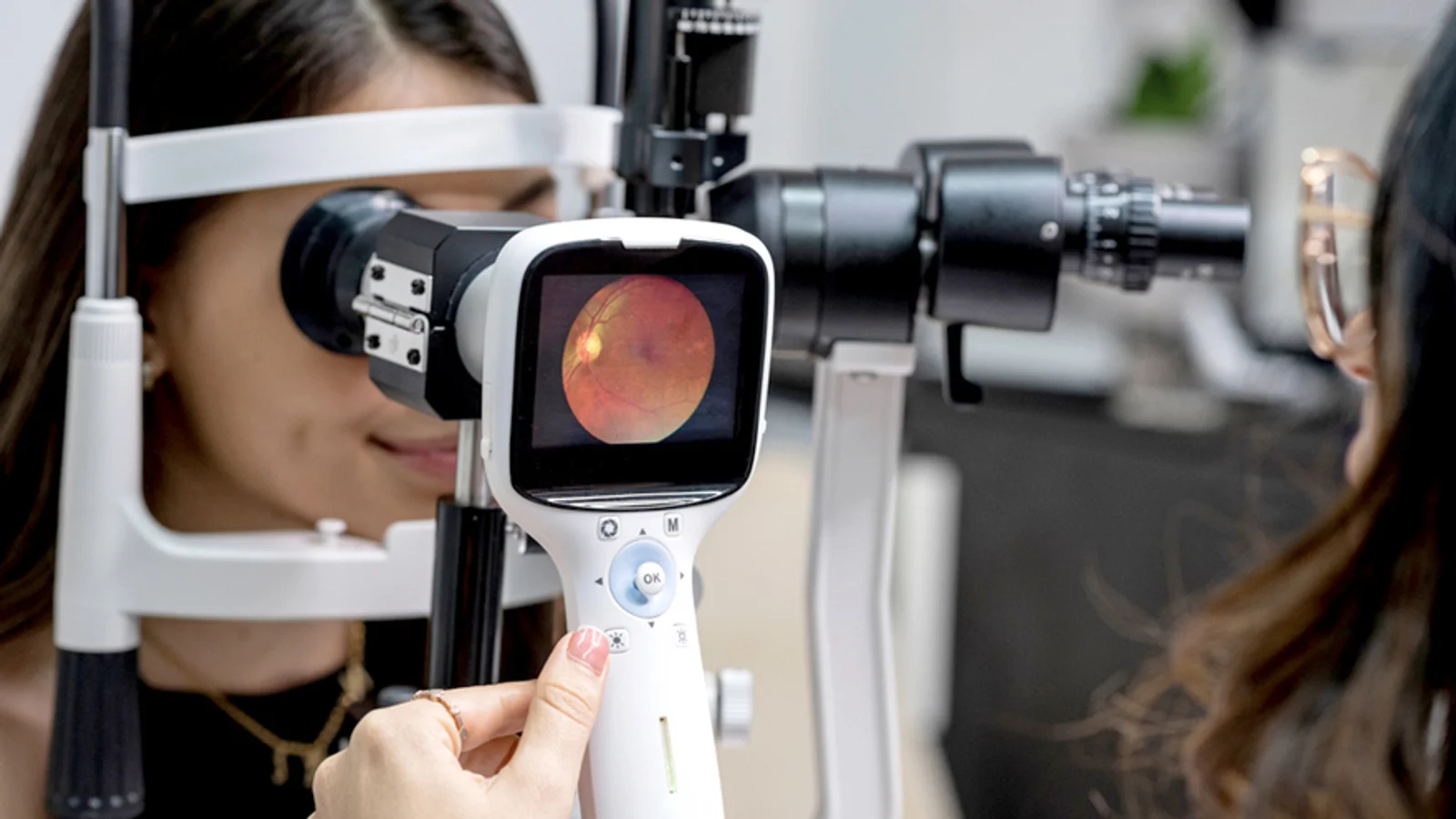
Cataract surgery is one of the most commonly performed surgeries in the world, lauded for its safety and effectiveness. But what many people don’t realize is how transformative it has become.
What Cataract Surgery Really Does
At its core, cataract surgery removes the eye’s cloudy natural lens and replaces it with an intraocular lens (IOL) — a clear artificial lens. That’s been standard practice for decades.
- Distance vision (driving, walking, outdoor activity)
- Intermediate vision (computer work, dashboards)
- Near vision (reading, close tasks)
Types of Lenses for a Glasses-Free Experience
There’s no one-size-fits-all solution. But a few options have changed how we approach vision correction:
- Multifocal IOLs These have zones that focus light at multiple distances, similar to progressive lenses in glasses. They allow clear vision near and far without glasses, though some patients experience mild halos initially — the brain often adapts over weeks.
- Extended Depth of Focus (EDOF) IOLs Instead of multiple focal points, these lenses create a continuous range of vision. That can mean very smooth transitions between distances — for patients who want strong intermediate and distance vision with good near vision too.
- Toric IOLs Specifically designed to correct astigmatism at the same time as cataracts. If glasses have always sharpened your vision, a toric lens may help you see sharply without them.
- Custom blended optics Some surgeons choose different lenses for each eye to optimize vision across distances — a form of personalized visual engineering tailored to lifestyle and priorities.
Presbyopia Correction Within Cataract Surgery
Here’s where the idea of a “glasses-free future” becomes practical: when cataract removal is paired with presbyopia-correcting lenses, we treat two problems in one surgical journey.
Real-World Outcomes: What Patients Experience
Let’s paint a picture that isn’t just clinical.
- Your clock across the room is clear.
- You glance at your phone without reaching for glasses.
- In the kitchen, labels and ingredient lists are crisp.
- At work, screens are sharp at arm’s length.
- At night, glare and halos are minimal and brain adaptation happens quickly.
What Many Patients Overlook

When people first explore cataract surgery with presbyopia correction, common questions arise:
- Will I still need glasses? Many patients won’t for most daily tasks, though occasional use can happen — and that’s okay.
- Is this surgery safe? Yes. Cataract surgery is one of the most studied and refined surgeries in medicine. Complications are rare when performed by experienced surgeons.
- How long does recovery take? Most patients notice visual improvement within days. The visual system continues adapting over weeks.
- Are there risks like halos or glare? Some patients experience mild visual phenomena — especially at night — but many adapt quickly, and modern lenses minimize this.
- Can both eyes be treated together? Yes — though often surgeons evaluate one eye first to fine-tune choices.
Who Benefits Most?
The Patient Journey at Global Ubal Eye Center
Conclusion: Embracing the Glasses-Free Future
More Articles
Continue reading our ophthalmology guides and vision care insights.

SMILE vs LASIK: Recovery Benchmarks for Vision Correction Care
South Korea has solidified its position as a global epicenter for ophthalmology, with the domestic LASIK and refractive surgery market projected to reach **USD 167.37 million by 2035**, growing at a steady CAGR of 8.54%.
Learn More

Prevalence of Myopia in Korea: The Value of Dream Lens Therapy
The prevalence of myopia among young people in South Korea has reached critical levels, often described as a "myopia epidemic." According to recent data from the **Korean National Health and Nutrition Examination Survey (KNHANES)**, the prevalence of myopia...
Learn More

Multidisciplinary Care: The Future of Korean Pediatric Eye Clinics
The landscape of pediatric eye care in South Korea is shifting rapidly. With nearly **21.9% of Korean children** estimated to be affected by various visual disorders according to nationwide health screenings, the demand for specialized intervention has never...
Learn More