Comprehensive Eye Care & Vision Correction in Incheon · Multilingual International Concierge
23+ Years Clinical Experience
en-US

Ophthalmology Guide
Can You Reverse Diabetic Retinopathy? Discover Treatment Options
Can diabetic retinopathy be reversed? Explore proven treatments, prevention tips, and expert care options to protect your vision. Learn more today!
Schedule a ConsultationIntroduction: When Vision Fades Quietly
If you’ve ever tried to look through a fogged-up window or noticed raindrops distorting the view outside, you already have a sense of what diabetic retinopathy can feel like. For many people living with diabetes, the threat isn’t just high blood sugar readings on a lab report — it’s the slow, often invisible damage happening inside the eye.
What Is Diabetic Retinopathy, Really?
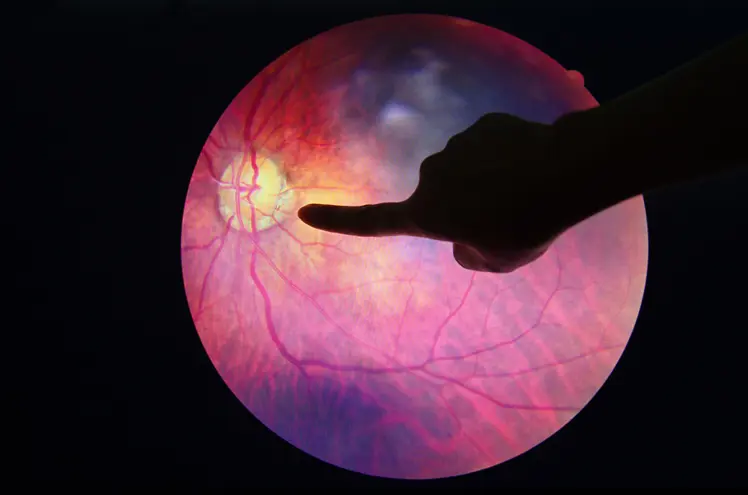
The retina is the delicate layer of tissue at the back of your eye. Think of it as film in an old-fashioned camera, or the sensor in your smartphone — it captures light and sends images to your brain.
- Weaken and bulge (called microaneurysms)
- Leak fluid and blood, clouding vision
- Close off, starving parts of the retina of oxygen
- Grow new fragile vessels (in advanced stages) that bleed easily and cause scar tissue
Can It Be Reversed?
Here’s the straight answer:
- In Early Stages (NPDR): If detected early and blood sugar is well controlled, damage may stabilize and sometimes even partially reverse. For example, small vessel leaks can heal, and swelling can decrease. Patients who maintain steady glucose control often notice that their vision improves compared to when sugar was fluctuating wildly.
- In Advanced Stages (PDR and DME): Once abnormal blood vessels grow, scar tissue forms, or major bleeding occurs, reversal is no longer possible. However, treatment can still stop further damage and, in many cases, restore useful vision.
The Role of Early Detection
If there’s one message we emphasize most strongly at Global Ubal Eye Center, it’s this: timing is everything.
- Optical Coherence Tomography (OCT): A non-invasive scan that shows microscopic retinal layers.
- Wide-Field Retinal Imaging: Captures the far edges of the retina, where early damage may begin.
- Fluorescein Angiography: Special dye testing to see how blood flows through the retina.
Treatment Options: From Lifestyle to Surgery
1. Systemic Control: The Foundation
Even the most advanced eye treatments cannot replace the importance of systemic control.
- Blood sugar: Maintaining stable HbA1c levels is the strongest protector against worsening retinopathy.
- Blood pressure: High pressure accelerates vessel damage; controlling it dramatically reduces risk.
- Cholesterol: Lipid management helps prevent deposits in the retina.
2. Anti-VEGF Injections
These medicines — such as Eylea, Lucentis, or Avastin — are injected into the eye to block abnormal vessel growth and reduce leakage. Treatments are usually given every 4–8 weeks at first, then less often.
3. Laser Therapy
Laser photocoagulation is used to seal leaking vessels and reduce the chance of further bleeding. While it doesn’t improve lost vision, it’s very effective at preventing blindness, especially in proliferative disease.
4. Vitrectomy Surgery
For severe bleeding or retinal detachment, vitrectomy may be required. This delicate surgery removes blood-filled vitreous gel and scar tissue, replacing it with a clear solution so light can reach the retina again.
5. Ongoing Monitoring
Treatment doesn’t stop after one injection or surgery. Regular follow-up is essential. At Global Ubal Eye Center, we tailor monitoring schedules individually, ensuring changes are caught early.
Living with Diabetes: Protecting Your Eyes Daily

Managing diabetic retinopathy is not only about medical visits — it’s also about daily habits. Patients who succeed long-term often:
- Keep consistent meal times and balanced diets.
- Avoid rapid blood sugar swings by monitoring regularly.
- Exercise regularly — even 20–30 minutes of walking helps circulation.
- Quit smoking, since tobacco further damages blood vessels.
- Get enough sleep, as poor sleep worsens glucose instability.
A Real Patient Story (Anonymized)
One of our patients, a 56-year-old man with type 2 diabetes, came to us after noticing blurry vision while reading. He had not had an eye exam for three years. Imaging revealed moderate non-proliferative diabetic retinopathy with early macular edema.
Global Ubal Eye Center: Precision and Compassion
Conclusion: Protecting Sight in a Lifelong Journey
More Articles
Continue reading our ophthalmology guides and vision care insights.

SMILE vs LASIK: Recovery Benchmarks for Vision Correction Care
South Korea has solidified its position as a global epicenter for ophthalmology, with the domestic LASIK and refractive surgery market projected to reach **USD 167.37 million by 2035**, growing at a steady CAGR of 8.54%.
Learn More

Prevalence of Myopia in Korea: The Value of Dream Lens Therapy
The prevalence of myopia among young people in South Korea has reached critical levels, often described as a "myopia epidemic." According to recent data from the **Korean National Health and Nutrition Examination Survey (KNHANES)**, the prevalence of myopia...
Learn More

Multidisciplinary Care: The Future of Korean Pediatric Eye Clinics
The landscape of pediatric eye care in South Korea is shifting rapidly. With nearly **21.9% of Korean children** estimated to be affected by various visual disorders according to nationwide health screenings, the demand for specialized intervention has never...
Learn More