Comprehensive Eye Care & Vision Correction in Incheon · Multilingual International Concierge
23+ Years Clinical Experience
en-US


Ophthalmology Guide
Can Lens Implants Eliminate Glasses? Learn More
Discover how lens implants can potentially eliminate the need for glasses. Learn about the benefits, procedure, and results. Book a consultation today!
Schedule a ConsultationIntroduction
For many of us, glasses have become an inseparable part of daily life — whether it’s reading, driving, or just navigating the world around us. But the idea of living without glasses, waking up to clear vision every day, is something that many people dream about. The good news is, lens implants may offer a life-changing solution.
What Are Lens Implants?
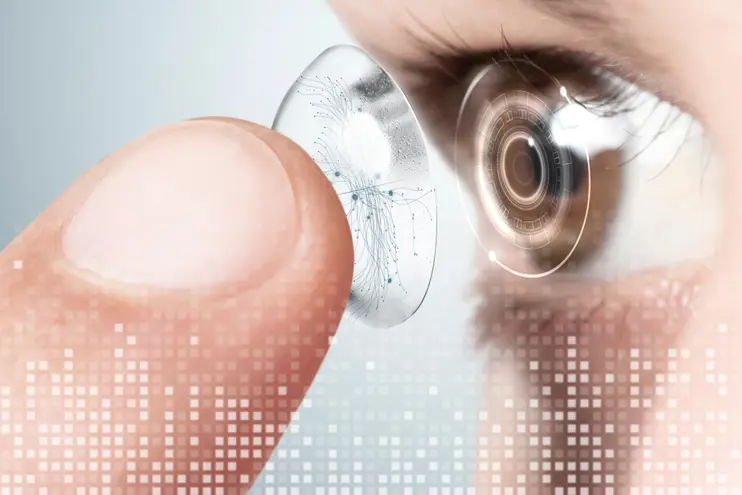
Lens implants, often referred to as intraocular lenses (IOLs), are surgical alternatives to glasses or contact lenses. These artificial lenses are implanted in the eye to correct vision problems, either due to cataracts, refractive errors like nearsightedness (myopia), farsightedness (hyperopia), or astigmatism, or even presbyopia (age-related difficulty with near vision).
How Do Lens Implants Work?
Lens implants work by taking the place of your eye’s natural lens or augmenting it to improve focus. During a procedure called refractive lens exchange (RLE) or cataract surgery (when cataracts are present), the cloudy or imperfect natural lens is removed and replaced with a clear, artificial lens.
Can Lens Implants Completely Eliminate Glasses?

Yes, in many cases, lens implants can eliminate the need for glasses entirely. However, the exact outcome depends on several factors, including your specific vision issues, the type of lens implant used, and your personal health profile.
- Monofocal Lenses: These are the most common type of lens implants and are typically used for either distance or near vision. If you have monofocal IOLs, you may still need reading glasses for close-up tasks like reading or using a smartphone.
- Multifocal Lenses: These lenses have multiple zones designed for different vision distances, allowing you to see clearly at near, intermediate, and far distances. Multifocal lenses often eliminate the need for glasses altogether, though it may take some time to adjust to the way the lens functions.
- Toric Lenses: For patients with astigmatism, toric IOLs can correct the irregular curvature of the cornea, providing clearer vision and reducing or eliminating the need for glasses or contacts.
Who Is a Good Candidate for Lens Implants?
Not everyone is an ideal candidate for lens implants, but many people are. Generally speaking, the best candidates include those who:
- Are over 40 years old and have difficulty seeing up close (a sign of presbyopia).
- Have refractive vision errors like nearsightedness, farsightedness, or astigmatism.
- Are experiencing cataracts, which can make vision blurry and affect daily activities.
- Want a more permanent solution for vision correction, with less reliance on glasses or contacts.
The Advantages of Lens Implants
Potential Risks and Considerations
While lens implants are generally safe and effective, like any surgery, there are risks involved. Some potential risks include:
- Infection or Inflammation: As with any surgery, there’s a small risk of infection or inflammation following the procedure. However, this can usually be managed with prescribed medication.
- Vision Adjustments: Some patients may experience visual disturbances, such as glare or halos around lights, particularly at night. Over time, this usually resolves as the eyes adjust.
- Need for Additional Procedures: While rare, some patients may require an enhancement procedure if the lens doesn’t fully correct their vision as expected.
Is This the Right Choice for You?
If you’re tired of the hassle of glasses or contacts and are looking for a permanent vision solution, lens implants may be worth considering. Whether you're dealing with refractive errors or cataracts, lens implants can provide clarity and ease in everyday life. With advancements in technology, these implants are a safe, reliable option for those seeking freedom from corrective eyewear.
Conclusion
Lens implants offer a revolutionary way to achieve clear, independent vision without relying on glasses or contacts. Whether you’re dealing with refractive errors, cataracts, or presbyopia, these implants could provide the permanent solution you’ve been looking for.
More Articles
Continue reading our ophthalmology guides and vision care insights.

SMILE vs LASIK: Recovery Benchmarks for Vision Correction Care
South Korea has solidified its position as a global epicenter for ophthalmology, with the domestic LASIK and refractive surgery market projected to reach **USD 167.37 million by 2035**, growing at a steady CAGR of 8.54%.
Learn More

Prevalence of Myopia in Korea: The Value of Dream Lens Therapy
The prevalence of myopia among young people in South Korea has reached critical levels, often described as a "myopia epidemic." According to recent data from the **Korean National Health and Nutrition Examination Survey (KNHANES)**, the prevalence of myopia...
Learn More

Multidisciplinary Care: The Future of Korean Pediatric Eye Clinics
The landscape of pediatric eye care in South Korea is shifting rapidly. With nearly **21.9% of Korean children** estimated to be affected by various visual disorders according to nationwide health screenings, the demand for specialized intervention has never...
Learn More