Comprehensive Eye Care & Vision Correction in Incheon · Multilingual International Concierge
23+ Years Clinical Experience
en-US


Ophthalmology Guide
Can LASEK Provide Same Results as LASIK? Here’s What to Know
Discover if LASEK can match LASIK results. Compare benefits, recovery, and risks to find the right eye surgery for you. Learn more before you decide!
Schedule a ConsultationIntroduction
Vision correction has come a long way over the past two decades. What used to be a futuristic dream — waking up and seeing clearly without glasses or contact lenses — is now a daily reality for millions around the world.
LASIK and LASEK: Two Paths to Clear Vision
Both LASIK (Laser-Assisted In Situ Keratomileusis) and LASEK (Laser-Assisted Sub-Epithelial Keratectomy) are forms of refractive surgery — meaning they correct the way light focuses on the retina by reshaping the cornea.
- LASIK involves creating a thin flap in the corneal surface using a femtosecond laser. That flap is lifted, the underlying tissue is reshaped with an excimer laser, and the flap is gently repositioned.
- LASEK, in contrast, does not create a flap. Instead, the outermost layer of the cornea (the epithelium) is softened using a diluted alcohol solution and carefully moved aside. After the same laser reshaping, the epithelium is allowed to heal naturally over several days.
Why the Cornea Matters So Much
Think of the cornea like the lens of a camera — even the slightest change in its shape alters the clarity of the image.
Visual Results: Can LASEK Match LASIK?
The short answer is yes — LASEK can provide the same level of visual clarity as LASIK, often achieving 20/20 vision or better after complete recovery.
- LASIK: Rapid visual improvement — most patients can see clearly within 24 hours.
- LASEK: Slower recovery — vision gradually clears over 3 to 7 days, continuing to refine over a few weeks.
The Healing Process: Patience with Purpose
LASEK’s recovery period is often misunderstood. Patients sometimes worry when they hear it takes longer — but healing in LASEK is a surface regeneration process, not a deeper wound.
- After surgery, a soft contact lens bandage is placed to protect the cornea.
- The epithelium begins to heal within 3–5 days.
- Mild stinging or light sensitivity may occur for a few days.
- Vision improves progressively over 1–2 weeks, stabilizing over the next few months.
The Science Behind LASEK’s Stability
Why is corneal strength such a big deal?
- Thinner corneas (below 520 microns)
- Mild irregular astigmatism
- Physically active or military personnel
- Patients with chronic dry eyes
Technology Makes the Difference
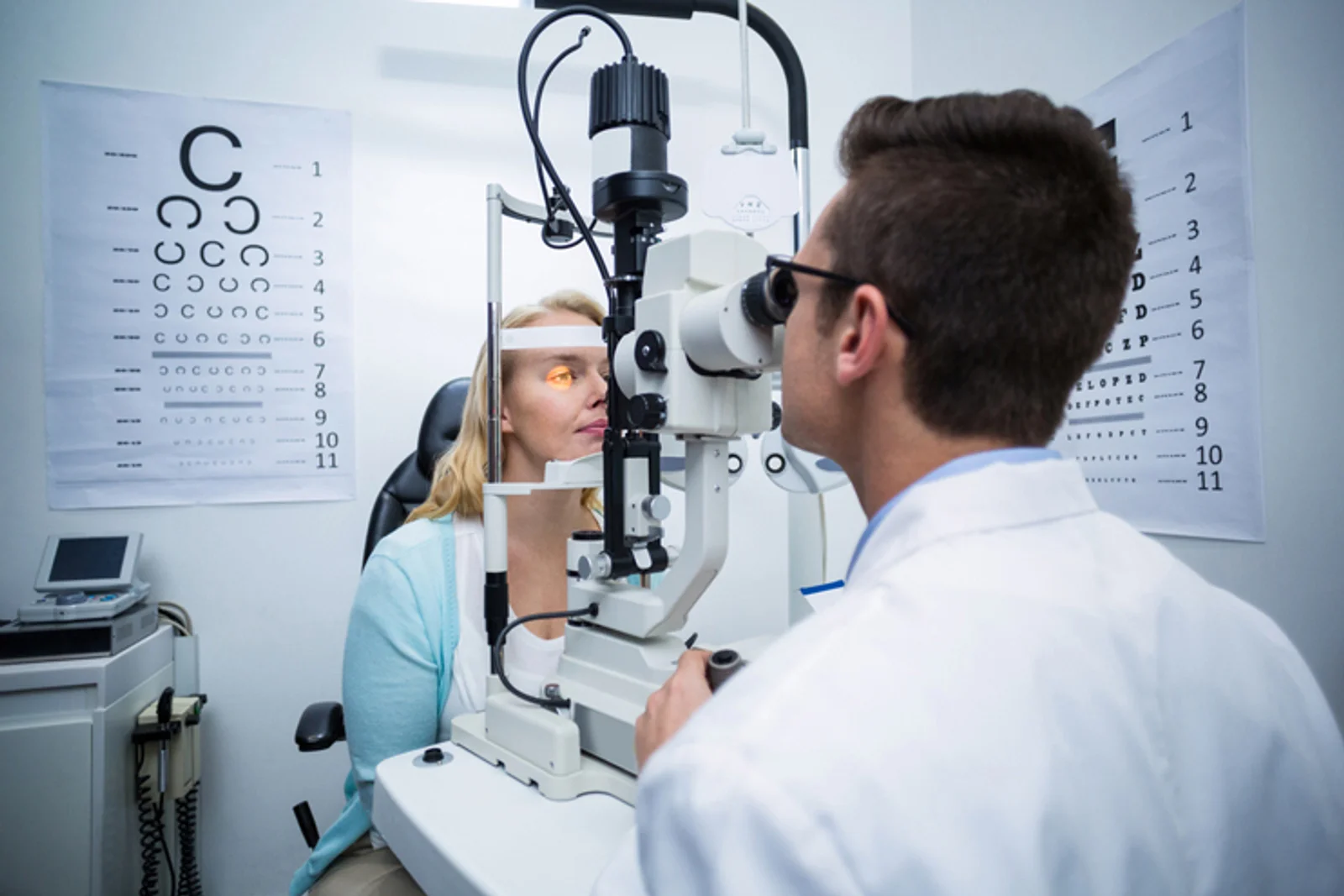
At Global Ubal Eye Center, we perform both LASIK and LASEK using state-of-the-art excimer and femtosecond laser systems — the same high-precision platforms used in leading eye hospitals worldwide.
What Patients Often Don’t Realize
Here’s something we tell every patient:
Side Effects and Long-Term Safety
No surgery is entirely free from risks, and both LASIK and LASEK share similar potential side effects — temporary dryness, glare, or night halos. However, these usually resolve within a few weeks to months.
Patient Story: A Real Example
One of our patients, a 32-year-old airline pilot, came to us worried he might not qualify for LASIK because of thin corneas. After detailed testing, we recommended LASEK.
Conclusion
Choosing between LASIK and LASEK isn’t about deciding which one is “better.” It’s about understanding which one is better for you.
More Articles
Continue reading our ophthalmology guides and vision care insights.

SMILE vs LASIK: Recovery Benchmarks for Vision Correction Care
South Korea has solidified its position as a global epicenter for ophthalmology, with the domestic LASIK and refractive surgery market projected to reach **USD 167.37 million by 2035**, growing at a steady CAGR of 8.54%.
Learn More

Prevalence of Myopia in Korea: The Value of Dream Lens Therapy
The prevalence of myopia among young people in South Korea has reached critical levels, often described as a "myopia epidemic." According to recent data from the **Korean National Health and Nutrition Examination Survey (KNHANES)**, the prevalence of myopia...
Learn More

Multidisciplinary Care: The Future of Korean Pediatric Eye Clinics
The landscape of pediatric eye care in South Korea is shifting rapidly. With nearly **21.9% of Korean children** estimated to be affected by various visual disorders according to nationwide health screenings, the demand for specialized intervention has never...
Learn More