Comprehensive Eye Care & Vision Correction in Incheon · Multilingual International Concierge
23+ Years Clinical Experience
en-US


Ophthalmology Guide
Can Clear Smile LASIK Achieve 20/20 Vision Without Glasses?
Discover if Clear Smile LASIK can help you achieve 20/20 vision without glasses. Explore benefits, risks, and results. Book a free consultation today!
Schedule a ConsultationIntroduction
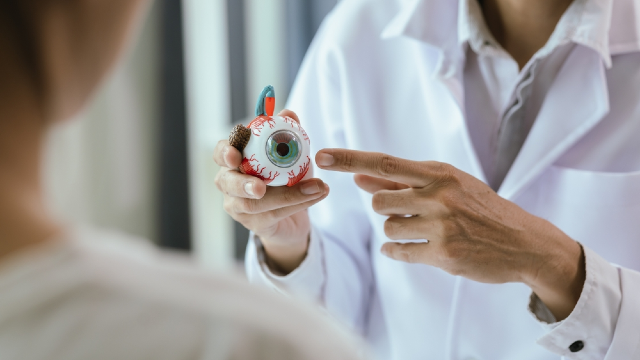
Imagine waking up and seeing the world clearly the moment you open your eyes — no fumbling for glasses, no contact lens routine. It’s a scenario that draws countless patients to laser vision correction, and among the many terms used to describe this technology, "Clear Smile LASIK" has become popular.
Understanding "Clear Smile LASIK"
First, let’s clarify the terminology. "Clear Smile LASIK" isn’t a scientific or medical term. It's typically used in marketing to describe a comfortable, bladeless, and high-precision LASIK procedure. In reality, it usually involves femtosecond laser technology to create the corneal flap and advanced mapping techniques — like wavefront or topography-guided imaging — to customize the treatment.
Can It Deliver 20/20 Vision?
In many cases, yes. At our clinic, the majority of patients who undergo LASIK — including advanced techniques like Clear Smile LASIK — achieve 20/20 vision or better. But as with any surgery, results vary based on several factors:
- Your original prescription
- The health and shape of your corneas
- Your age and risk of presbyopia
- How your eyes heal post-surgery
Why Some Patients Don’t Reach 20/20
Even with perfect execution, not every eye will hit that 20/20 benchmark. Here's why:
1. Individual Eye Anatomy
Eyes with high myopia, hyperopia, or significant astigmatism may be harder to correct precisely. A thin cornea or irregular surface can also limit how much reshaping is possible.
2. Healing Variability
Every patient heals differently. Some corneas may remodel more than expected during recovery, subtly altering the final result. That’s why we monitor healing closely and sometimes recommend enhancements months later.
3. Age-Related Changes
If you're over 40, presbyopia — the natural decline in near focusing ability — can complicate things. Even if distance vision is perfect, you might still need reading glasses. LASIK doesn't prevent this, although monovision or lens-based options can help.
4. Optical Side Effects
Some patients report night vision issues, glare, or halos. These are typically mild and temporary but can impact perceived visual quality, even with 20/20 acuity.
How We Maximize the Chance of 20/20 Vision
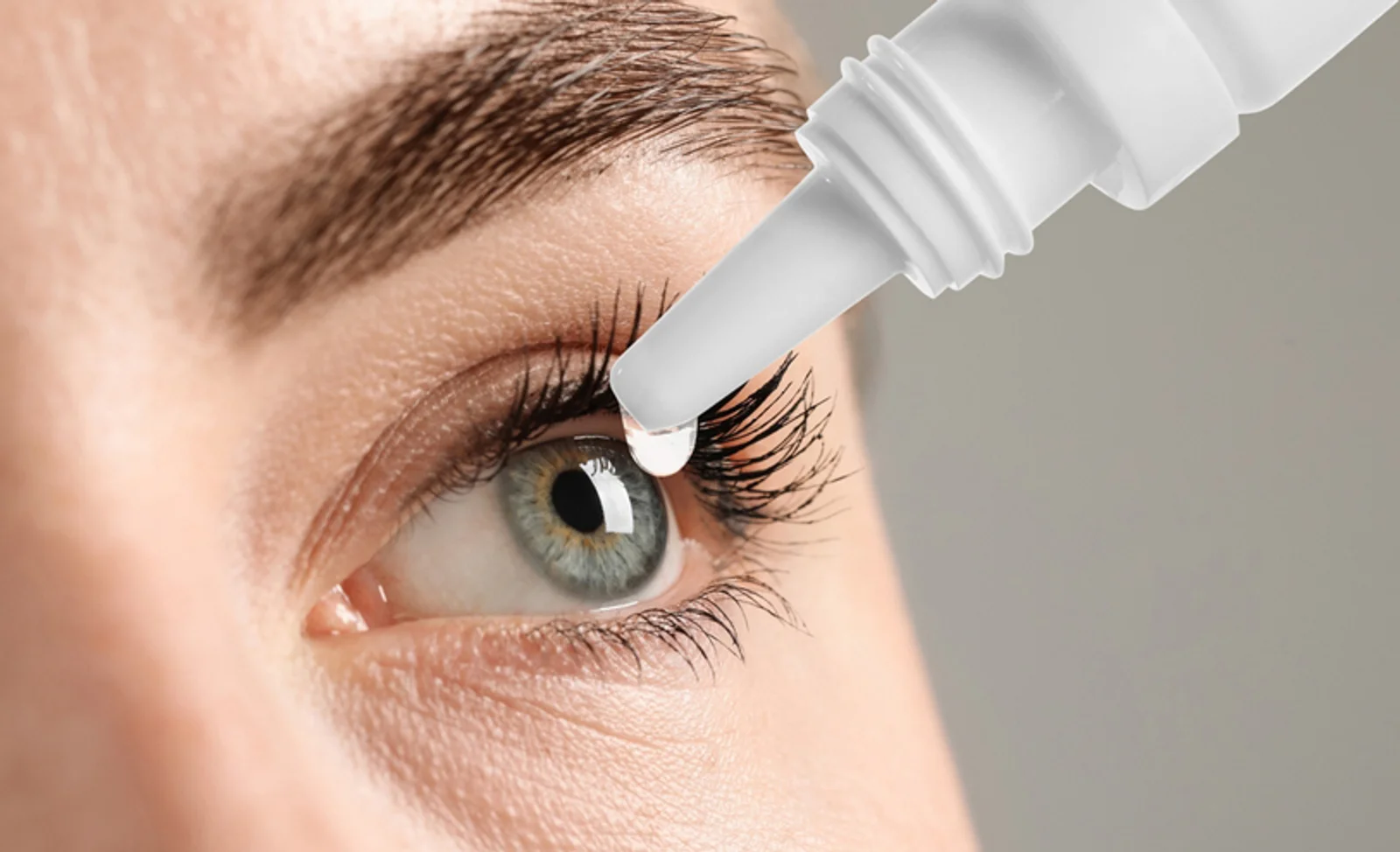
At Global Ubal Eye Center, we approach LASIK with one principle: precision before promises. Here’s how we optimize every procedure:
- Thorough diagnostics: We use detailed topography, wavefront scanning, and corneal measurements to evaluate suitability.
- Conservative screening: We don’t operate on borderline cases unless the risk-benefit profile is favorable.
- Customized planning: Every laser pattern is tailored to your unique eye.
- Advanced technology: We use femtosecond lasers, eye trackers, and high-speed ablation platforms.
- Personal follow-up: We track healing for months post-op and offer enhancements when needed.
What If You Don’t Get 20/20?
Not achieving perfect vision doesn’t mean failure. Many patients with 20/25 or even 20/30 vision feel liberated from glasses. For those who need more correction, a second procedure (enhancement) can fine-tune the outcome.
Conclusion
So, can Clear Smile LASIK give you 20/20 vision without glasses? For most well-selected candidates — absolutely. But perfect vision isn’t the only measure of success. Comfort, confidence, visual freedom, and long-term eye health all matter.
More Articles
Continue reading our ophthalmology guides and vision care insights.

SMILE vs LASIK: Recovery Benchmarks for Vision Correction Care
South Korea has solidified its position as a global epicenter for ophthalmology, with the domestic LASIK and refractive surgery market projected to reach **USD 167.37 million by 2035**, growing at a steady CAGR of 8.54%.
Learn More

Prevalence of Myopia in Korea: The Value of Dream Lens Therapy
The prevalence of myopia among young people in South Korea has reached critical levels, often described as a "myopia epidemic." According to recent data from the **Korean National Health and Nutrition Examination Survey (KNHANES)**, the prevalence of myopia...
Learn More

Multidisciplinary Care: The Future of Korean Pediatric Eye Clinics
The landscape of pediatric eye care in South Korea is shifting rapidly. With nearly **21.9% of Korean children** estimated to be affected by various visual disorders according to nationwide health screenings, the demand for specialized intervention has never...
Learn More