Comprehensive Eye Care & Vision Correction in Incheon · Multilingual International Concierge
23+ Years Clinical Experience
en-US

Ophthalmology Guide
Can Cataract Surgery Improve Both Near and Distance Vision?
Discover how cataract surgery can improve both near and distance vision with advanced intraocular lenses. Learn more about your options for clearer sight today!
Schedule a ConsultationIntroduction
Cataracts are a common condition, particularly as we age, where the lens inside the eye becomes clouded, causing blurry or dimmed vision. For many people, cataracts can make it challenging to see clearly at both near and far distances, significantly affecting daily activities like reading, driving, and even recognizing faces.
What Is Cataract Surgery?
Cataract surgery is a medical procedure designed to remove the clouded lens from the eye, a condition commonly associated with aging. This lens, known as the cataract, becomes opaque over time, leading to blurry, dim, or distorted vision. In place of the old, cloudy lens, a clear, artificial intraocular lens (IOL) is implanted.
How Does Cataract Surgery Work?
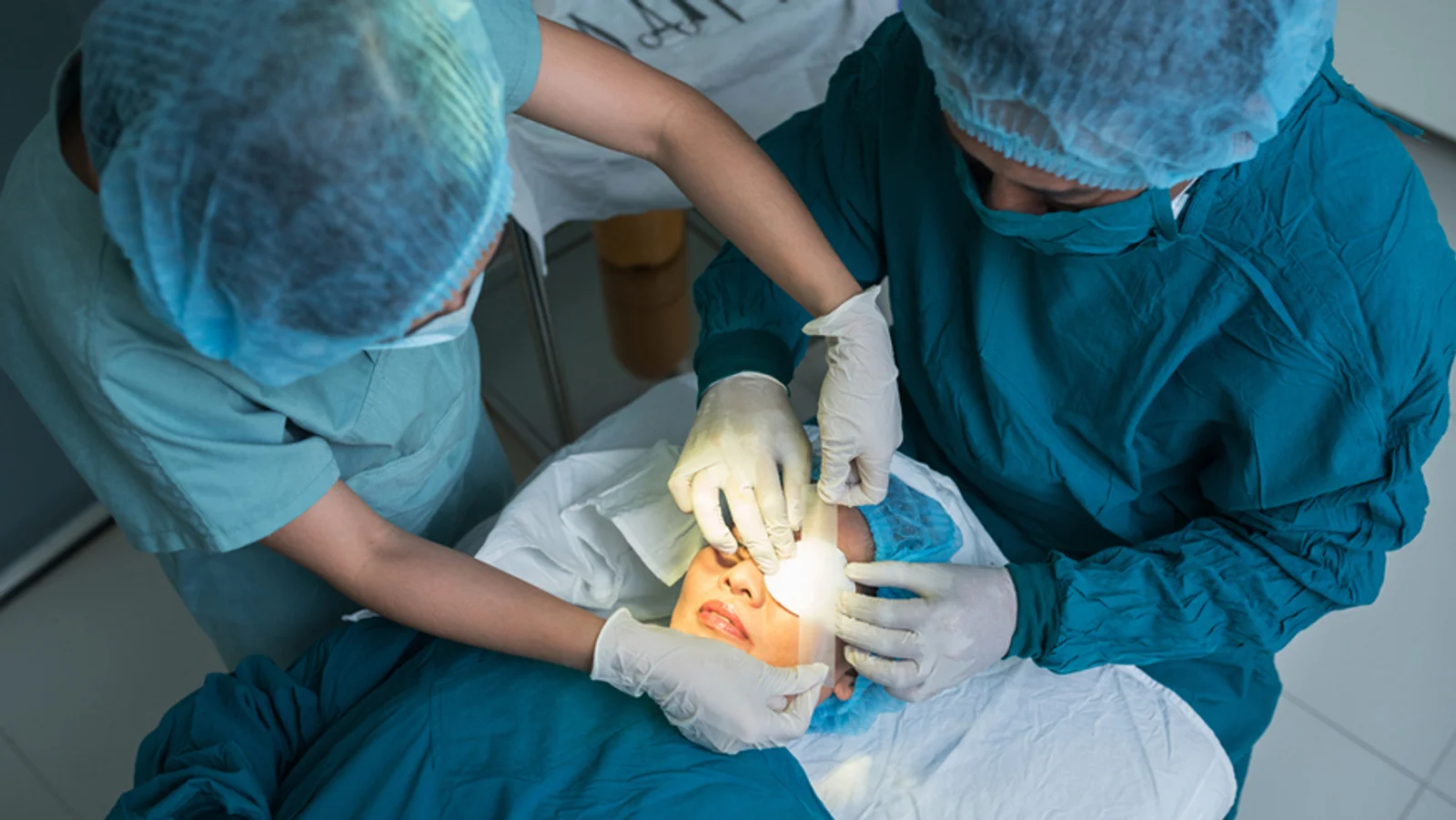
The procedure itself is relatively quick and minimally invasive, typically lasting about 15 to 30 minutes per eye. Here's how it works:
Types of IOLs and Their Impact on Vision
Why Is Cataract Surgery Important?
Cataract surgery is not only a life-changing procedure but also a necessary one for many people whose cataracts have progressed to the point where they significantly interfere with daily activities. Whether it’s difficulty reading, driving, or performing simple tasks, cataracts can seriously impact one’s quality of life.
How Cataract Surgery Can Improve Near and Distance Vision
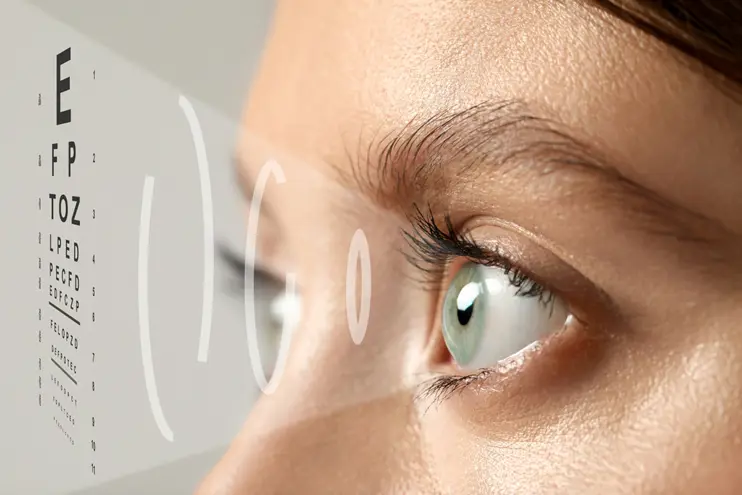
Cataract surgery can help improve both near and distance vision, but the results depend on the IOL you choose. Here’s how it works:
- Distance Vision: After cataract surgery with a monofocal IOL, many patients find that their distance vision is significantly improved. Whether you need glasses for driving or watching TV afterward depends on the lens selected.
- Near Vision: If you opt for a multifocal or accommodating lens, your near vision can be enhanced as well, reducing or eliminating the need for reading glasses. However, this does not mean everyone will achieve perfect near vision right away. Some people may still need glasses for close-up tasks.
- Overall Balance: The key to achieving both near and distance vision is choosing the right IOL for your lifestyle. For example, if you enjoy reading or close-up activities, a multifocal lens might be a good option. If you prefer simplicity and don't mind using glasses for some tasks, a monofocal lens optimized for distance might work better for you.
Post-Surgery Expectations
After cataract surgery, most patients experience a rapid improvement in their vision. In the first few days to weeks, your vision may fluctuate as your eye heals, and you may notice some glare or halos around lights—particularly if you've chosen a multifocal lens. These side effects often improve over time.
The Role of Personalized Care at Global Ubal Eye Center
At Global Ubal Eye Center, we understand that each patient’s vision needs are unique. Dr. Heecheol Bae and our team of experts offer personalized care to help you choose the best lens for your lifestyle and specific vision goals. With over 23 years of experience, we pride ourselves on using advanced technology to offer the most precise cataract surgeries, ensuring that you get the best possible outcome.
Conclusion
Cataract surgery offers a promising solution for improving blurry vision, with the ability to enhance both near and distance sight—especially when the right type of intraocular lens (IOL) is chosen. Whether you opt for a monofocal, multifocal, or accommodating lens, the goal is to restore clarity in your vision, allowing you to enjoy daily activities without the constant need for glasses.
More Articles
Continue reading our ophthalmology guides and vision care insights.

SMILE vs LASIK: Recovery Benchmarks for Vision Correction Care
South Korea has solidified its position as a global epicenter for ophthalmology, with the domestic LASIK and refractive surgery market projected to reach **USD 167.37 million by 2035**, growing at a steady CAGR of 8.54%.
Learn More

Prevalence of Myopia in Korea: The Value of Dream Lens Therapy
The prevalence of myopia among young people in South Korea has reached critical levels, often described as a "myopia epidemic." According to recent data from the **Korean National Health and Nutrition Examination Survey (KNHANES)**, the prevalence of myopia...
Learn More

Multidisciplinary Care: The Future of Korean Pediatric Eye Clinics
The landscape of pediatric eye care in South Korea is shifting rapidly. With nearly **21.9% of Korean children** estimated to be affected by various visual disorders according to nationwide health screenings, the demand for specialized intervention has never...
Learn More