Comprehensive Eye Care & Vision Correction in Incheon · Multilingual International Concierge
23+ Years Clinical Experience
en-US


Ophthalmology Guide
Best Eye Clinic Korea 2026 Global Ubal Eye Center
Looking for the best eye clinic in Korea? Global Ubal Eye Center in Incheon offers SMILE, LASIK, presbyopia correction & complete eye care for US patients. Book free consult.
Schedule a ConsultationIntroduction
For millions of Americans wearing glasses or contact lenses every single day, vision correction surgery has always seemed just out of reach either too expensive at home, too uncertain abroad, or simply too difficult to navigate from a continent away.
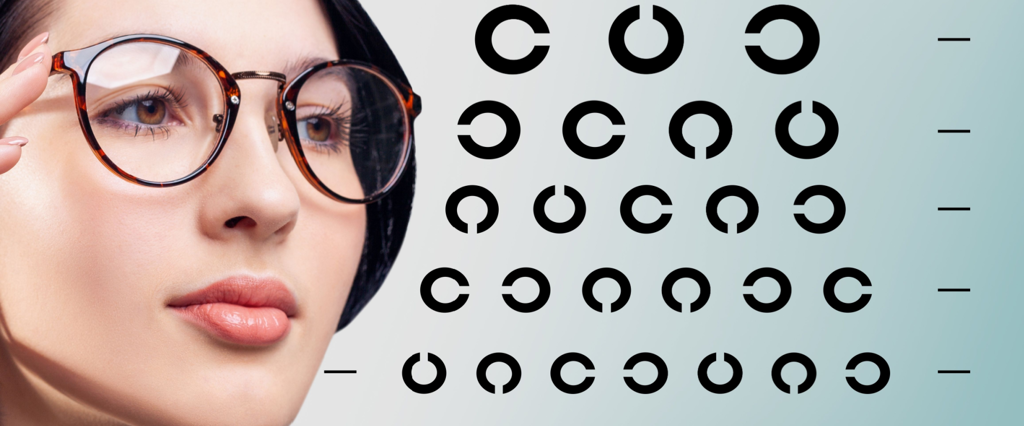
What Makes Global Ubal Eye Center the Best Eye Clinic in Korea?
Five Board-Certified Ophthalmologists One Comprehensive Center
The defining differentiator of Global Ubal Eye Center is not that it offers SMILE laser vision correction or that its surgeons are highly trained. Many clinics claim these qualifications. What distinguishes Global Ubal Eye Center is its commitment to comprehensive ophthalmology through a multi-specialist team model. This is not a LASIK factory focused narrowly on refractive surgery.
Why a Multi-Specialist Model Produces Better Outcomes
In single-specialty LASIK clinics the predominant model in both the US and many international destinations borderline candidacy cases create a real problem. A patient with slightly thin corneas might be told “you don’t quite qualify for LASIK.” At a single-specialty clinic, the response is often a referral elsewhere or acceptance of ineligibility.
International Recognition and What It Means for American Patients
Global Ubal Eye Center operates within South Korea’s internationally recognized ophthalmology ecosystem. South Korea performs among the highest per-capita volumes of SMILE and LASIK procedures in the world. This remarkable volume reflects not just demand but also regulatory environment and clinical consensus around these procedures’ safety and efficacy.
Full-Spectrum Eye Care in Korea — Every Procedure Under One Roof
Vision Correction Procedures SMILE, LASIK, LASEK, and Presbyopia Correction
SMILE LaserVision Correction represents the contemporary frontier of refractive surgery. SMILE stands for “Small Incision Lenticule Extraction.” Unlike LASIK, which creates a corneal flap, SMILE is bladeless and flapless. A single laser beam creates a precisely shaped tissue disc (lenticule) inside the cornea.
| Procedure | Best For | Key Advantage | Approximate Recovery |
|---|---|---|---|
| SMILE | Myopia, mild astigmatism, dry eye-prone patients | Flapless, bladeless, minimal dry eye risk | 1–3 days for screen work |
| LASIK | Broad prescription range, fast visual recovery priority | Fastest initial recovery, proven 30-year data | 1–2 days for most activities |
| LASEK | Thin corneas, high-contact sports patients | Safe for patients who don’t qualify for SMILE/LASIK | 5–7 days for work return |
| Presbyopia Correction | Adults 40–60 with near vision deterioration | Reduces or eliminates reading glass dependency | 1–2 weeks for stabilization |
Medical Eye Care Retina, Glaucoma, Cataracts, and Comprehensive Screening
- Cataract Surgery becomes relevant for patients over 50 and those referred internationally for premium intraocular lens options. A cataract is a clouding of the eye’s natural lens. For patients whose cataract is affecting vision quality, surgical removal and replacement with an artificial lens restores clarity. Global Ubal Eye Center’s cataract surgical expertise, combined with advanced intraocular lens technology, positions it as an option for patients seeking premium cataract care and for those combining cataract surgery with vision correction in a single coordinated visit.
- Glaucoma Diagnosis and Treatment is critical because glaucoma is often asymptomatic until significant vision loss has occurred. Elevated intraocular pressure (IOP) damages the optic nerve silently. By the time a patient notices symptoms, irreversible damage may have already happened. Global Ubal Eye Center’s in-house glaucoma specialists (Dr. Young Cheol Park and Dr. Heecheol Bae) provide both diagnostic screening and therapeutic management. For international patients, this means comprehensive glaucoma assessment as part of your vision correction evaluation ensuring that you are not a candidate for whom surgery might exacerbate existing glaucoma risk.
- Retina Disease Management and Macular Degeneration Treatment directly address Quentin’s concern about familial AMD risk. Age-related macular degeneration (AMD) affects the macula the central, highest-acuity region of the retina. Early detection and intervention can slow progression. A comprehensive macular evaluation involves retinal imaging, optical coherence tomography (OCT), and specialist assessment. Dr. Youngmin Kim’s retinal expertise means this assessment is available in-house, not as an external referral.
- Diabetic Retinopathy Care is essential for patients with diabetes or pre-diabetes. Chronically elevated blood sugar damages the retinal blood vessels, potentially leading to vision loss. Patients with diabetes should have annual retinal evaluations. At Global Ubal Eye Center, this assessment is coordinated seamlessly with any vision correction surgery planning.
- Dry Eye Treatment is particularly relevant for contact lens wearers like Ryan and Fernanda, whose contact lens use or work environment predisposes them to dry eyes. Chronic dry eye can affect vision quality and refractive surgery outcomes. Global Ubal Eye Center’s dry eye management program evaluates tear film quality, identifies underlying causes, and implements treatment protocols before vision correction surgery is recommended.
- Pediatric Ophthalmology services are available for families traveling with children who need concurrent eye care evaluation ensuring that your entire family’s eye health can be addressed during a single trip.
Korea Ophthalmology Standards and Technology What American Patients Need to Know
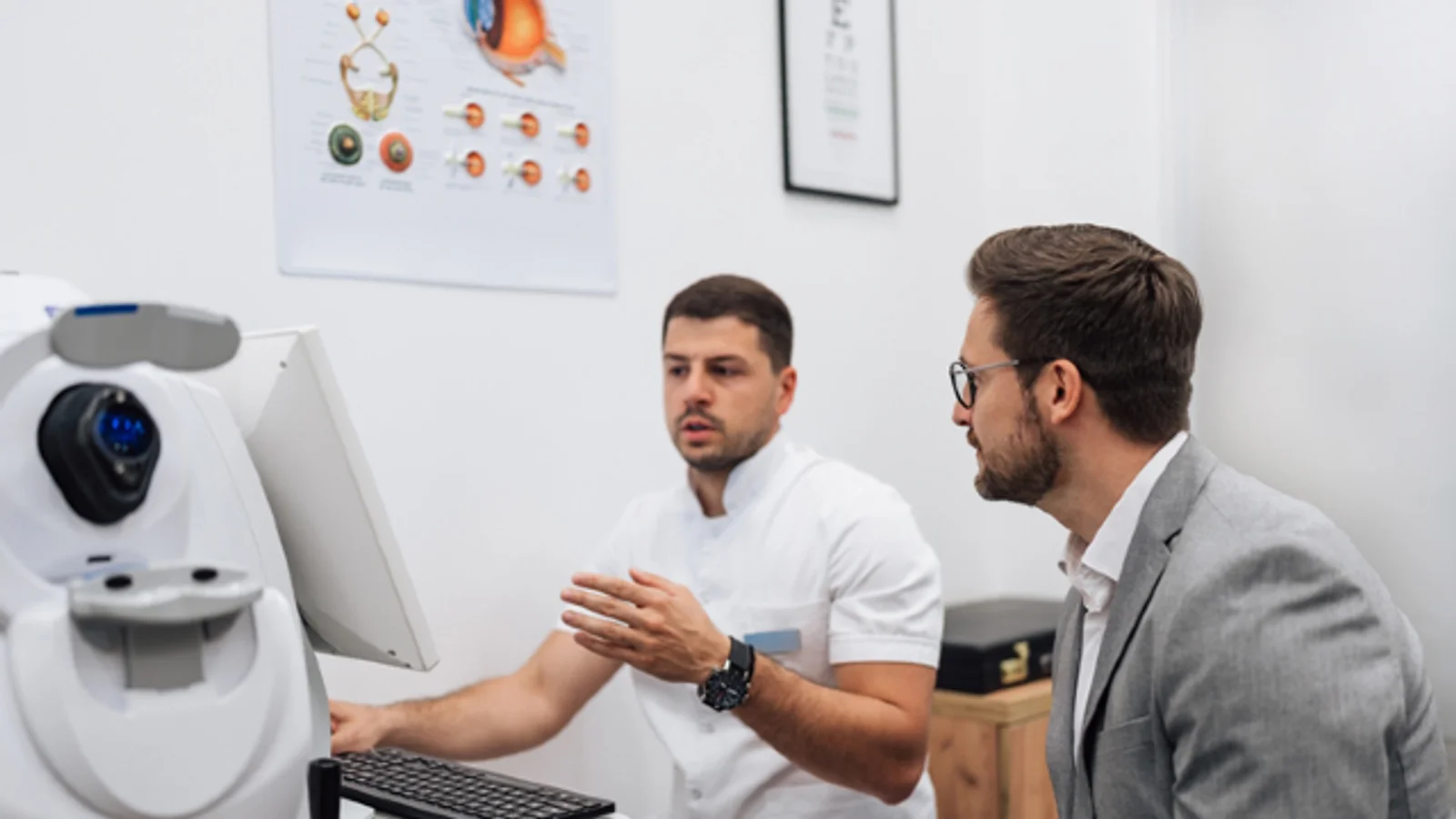
Global Ubal Eye Center for American Patients Safety, Communication, and Post-Op Continuity
Why American Patients Choose the Best Eye Clinic in Korea Over US Clinics
| Location | SMILE (Both Eyes, Est.) | LASIK (Both Eyes, Est.) | All-In Trip to Korea (Surgery + Flight + Hotel) |
|---|---|---|---|
| New York City | $4,500–$6,500 | $3,500–$5,500 | Significantly less than US surgery alone |
| Los Angeles | $4,000–$6,000 | $3,200–$5,200 | Significantly less than US surgery alone |
| Miami | $3,800–$6,000 | $3,000–$5,000 | Competitive with or less than US surgery alone |
| Chicago | $4,200–$6,200 | $3,400–$5,200 | Significantly less than US surgery alone |
| Houston | $3,800–$5,800 | $3,000–$4,800 | Competitive with or less than US surgery alone |
| Global Ubal Eye Center | Contact for current pricing | Contact for current pricing | Full transparency quote available before travel |
| Activity | SMILE | LASIK | LASEK |
|---|---|---|---|
| Screen work / computer use | 1–3 days | 1–2 days | 5–7 days |
| Nursing / clinical shifts (light duty) | 3–5 days | 2–4 days | 7–10 days |
| Office / legal / professional work | 2–3 days | 1–2 days | 5–7 days |
| Gym / light exercise | 1 week | 1 week | 2 weeks |
| Golf / outdoor sports | 2–3 weeks | 2–3 weeks | 3–4 weeks |
| Flying home (minimum) | 24–48 hours post-op | 24 hours post-op | 3–5 days post-op |
Planning Your Visit to Global Ubal Eye Center The American Patient’s Logistics Guide
Why Choose Global Ubal Eye Center for Eye Care in Korea
How to Book Your Eye Care at Global Ubal Eye Center
Frequently Asked Questions
Conclusion
About the Author
More Articles
Continue reading our ophthalmology guides and vision care insights.

SMILE vs LASIK: Recovery Benchmarks for Vision Correction Care
South Korea has solidified its position as a global epicenter for ophthalmology, with the domestic LASIK and refractive surgery market projected to reach **USD 167.37 million by 2035**, growing at a steady CAGR of 8.54%.
Learn More

Prevalence of Myopia in Korea: The Value of Dream Lens Therapy
The prevalence of myopia among young people in South Korea has reached critical levels, often described as a "myopia epidemic." According to recent data from the **Korean National Health and Nutrition Examination Survey (KNHANES)**, the prevalence of myopia...
Learn More

Multidisciplinary Care: The Future of Korean Pediatric Eye Clinics
The landscape of pediatric eye care in South Korea is shifting rapidly. With nearly **21.9% of Korean children** estimated to be affected by various visual disorders according to nationwide health screenings, the demand for specialized intervention has never...
Learn More