Comprehensive Eye Care & Vision Correction in Incheon · Multilingual International Concierge
23+ Years Clinical Experience
en-US

Ophthalmology Guide
Best Candidates for All-Laser LASIK: Is This Procedure Right for You?
Discover if you're a top candidate for All-Laser LASIK. Learn about ideal traits, benefits, and risks to see if this precise vision correction is right for you!
Schedule a ConsultationIntroduction
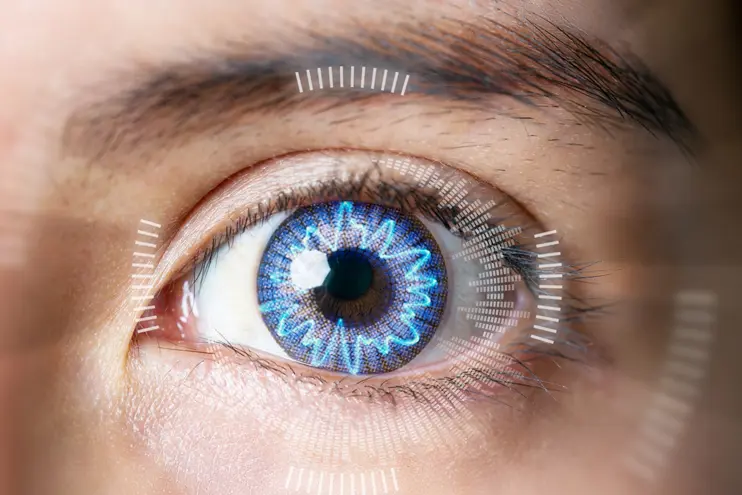
Imagine waking up in the morning and seeing the world around you — the edges of your bedside table, the clock on the wall, even the soft light filtering through your window — without reaching for your glasses. For many people, this vision feels like a dream. At Global Ubal Eye Center, we hear it every day from patients who are curious about LASIK: “I just want to see clearly again… is it safe? Is it right for me?”
What is All-Laser LASIK, and How Does It Differ?
All-laser LASIK, also known as bladeless LASIK, is a modern version of the traditional LASIK procedure. Instead of using a microkeratome blade to create the corneal flap, all-laser LASIK uses a femtosecond laser to perform this step. The second laser — the excimer — then reshapes the cornea to correct nearsightedness, farsightedness, and/or astigmatism.
Who Makes a Strong Candidate for All-Laser LASIK?

We look at several important factors before recommending this surgery:
1. Stable Vision Prescription
Your glasses or contact lens prescription should be stable for at least 12 months. If it’s still changing, there’s a risk your vision will continue to shift after surgery — potentially leading to disappointing results or a need for enhancement.
2. Healthy, Adequate Corneal Thickness
All-laser LASIK requires creating a flap and removing a small amount of corneal tissue to reshape the eye. If your cornea is too thin or shows signs of irregularity (like early keratoconus), LASIK may not be safe — and alternatives like PRK or implantable lenses may be better.
3. No Significant Dry Eye Disease
Dry eye symptoms can worsen after LASIK. If you already suffer from moderate to severe dry eye, we’ll often treat it first — or consider a non-flap procedure like LASEK. We use advanced tear film analysis at Global Ubal to assess this carefully.
4. Age: Ideally 20s to Early 40s
LASIK is generally performed on adults over 20, once the eye has matured. For patients over 40, presbyopia — the age-related loss of near vision — begins to influence outcomes. That doesn't mean LASIK is off the table, but your goals and expectations must be adjusted.
5. No Major Eye Conditions
Conditions such as cataracts, glaucoma, retinal disease, or active infections must be evaluated and treated appropriately before considering LASIK. Our clinic performs full diagnostic scans — including OCT, corneal topography, and retinal imaging — to screen for hidden problems.
6. Healthy General Health
Autoimmune diseases, uncontrolled diabetes, or the use of medications that affect healing may interfere with recovery. We always assess systemic health factors in collaboration with your medical history.
7. Realistic Expectations
LASIK can significantly reduce or eliminate the need for glasses or contacts — but it doesn’t promise "perfect" vision forever. Reading glasses may still be needed later, and minor side effects like glare or halos can occur. A clear conversation about these expectations is part of every consultation at Global Ubal.
Who Might Not Be an Ideal Candidate?

Sometimes, patients are surprised — or disappointed — when we advise against LASIK. But in truth, identifying who shouldn’t have the surgery is just as important as selecting those who should. Here are situations where we may recommend against LASIK:
- Corneas are too thin or irregular
- High degrees of nearsightedness or farsightedness beyond safe treatment ranges
- Unstable vision or recent hormonal changes (pregnancy, breastfeeding)
- Chronic dry eye or blepharitis that’s not yet controlled
- Occupational risk of trauma (e.g., military, contact sports)
- Unrealistic expectations or anxiety about minor side effects
Why Precision and Personalization Matter More Than Technology Alone
To be honest, it’s not just about the lasers. Even with the best equipment in the world, results depend on how well your eyes match the treatment — and how thoughtfully your surgeon tailors the plan.
What to Expect at Your LASIK Evaluation
When you visit us for a consultation, we’ll take you through a series of advanced diagnostic tests:
- Corneal topography to assess shape and thickness
- Wavefront analysis to detect visual aberrations
- Tear film and dry eye testing
- Pupil size and night vision mapping
- Retinal and optic nerve scans to check for hidden diseases
Final Thoughts: Is All-Laser LASIK Right for You?
The truth is, LASIK isn’t for everyone — but it is life-changing for the right candidates. If your vision is stable, your corneas are healthy, and you’re ready for freedom from glasses or contacts, all-laser LASIK may be a smart and lasting investment in your quality of life.
More Articles
Continue reading our ophthalmology guides and vision care insights.

SMILE vs LASIK: Recovery Benchmarks for Vision Correction Care
South Korea has solidified its position as a global epicenter for ophthalmology, with the domestic LASIK and refractive surgery market projected to reach **USD 167.37 million by 2035**, growing at a steady CAGR of 8.54%.
Learn More

Prevalence of Myopia in Korea: The Value of Dream Lens Therapy
The prevalence of myopia among young people in South Korea has reached critical levels, often described as a "myopia epidemic." According to recent data from the **Korean National Health and Nutrition Examination Survey (KNHANES)**, the prevalence of myopia...
Learn More

Multidisciplinary Care: The Future of Korean Pediatric Eye Clinics
The landscape of pediatric eye care in South Korea is shifting rapidly. With nearly **21.9% of Korean children** estimated to be affected by various visual disorders according to nationwide health screenings, the demand for specialized intervention has never...
Learn More