Comprehensive Eye Care & Vision Correction in Incheon · Multilingual International Concierge
23+ Years Clinical Experience
en-US


Ophthalmology Guide
Are Premium Cataract Lenses Worth the Investment?
Discover if premium cataract lenses are worth the investment. Learn about the benefits, cost, and long-term value for your vision. Book a consultation today!
Schedule a ConsultationIntroduction
Cataract surgery is one of the most common and successful procedures performed around the world. But as with any major medical decision, choosing the right approach is crucial to achieving the best possible outcome. One of the most important decisions you'll face during cataract surgery is selecting the type of intraocular lens (IOL) to replace your clouded natural lens.
What Are Premium Cataract Lenses?
Premium cataract lenses, also known as premium intraocular lenses (IOLs), are advanced lenses that are implanted in the eye during cataract surgery to replace the clouded natural lens.
1. Multifocal Lenses
Multifocal lenses are designed with different zones or “rings” that focus on various distances. These zones allow you to see clearly at near, intermediate, and far distances without the need for glasses. Whether you're reading, using a computer, or driving, multifocal lenses can help you achieve clear vision across a broad range of activities.
2. Accommodative Lenses
Accommodative IOLs are designed to mimic the eye’s natural focusing ability. These lenses shift slightly within the eye as you look at objects at different distances, allowing for improved vision at both near and far ranges. While not as versatile as multifocal lenses, accommodative lenses provide a more natural focus without the need for glasses for many patients.
3. Toric Lenses
Toric IOLs are specialized lenses for individuals with astigmatism, a condition where the cornea is irregularly shaped, causing blurry or distorted vision. These lenses correct astigmatism by focusing light properly on the retina, offering sharper vision and reducing the need for corrective lenses post-surgery.
4. Extended Depth of Focus (EDOF) Lenses
EDOF lenses offer a continuous range of vision from near to far, without the distinct focal points seen in multifocal lenses. They provide high-quality distance vision and improved near vision compared to standard IOLs, without some of the issues like halos or glare.
Why Consider Premium Cataract Lenses?
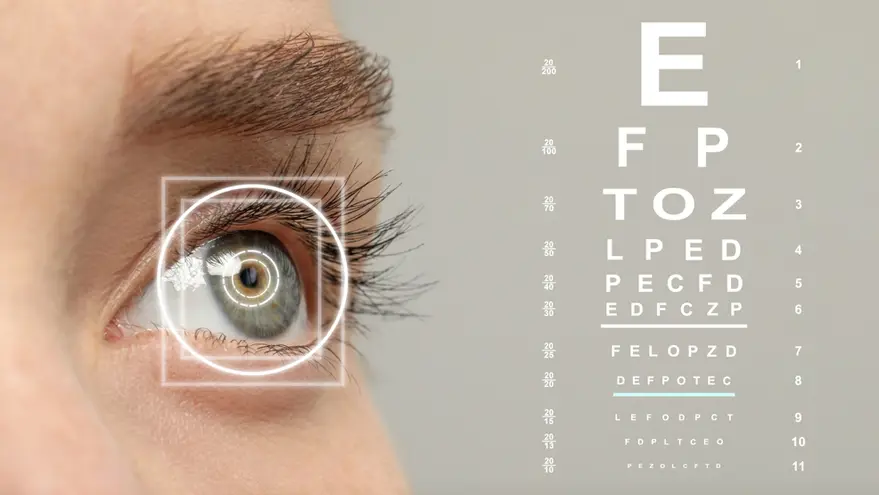
When people first think about cataract surgery, they may assume that the primary goal is simply to restore the clarity of their vision. But what many overlook is the broader potential for improving the quality of life through better visual function after surgery. Premium lenses aim to provide not just clearer vision but a more natural, glasses-free experience.
1. Enhanced Vision at Multiple Distances
Premium lenses can help you reduce or even eliminate your dependence on glasses for various tasks. For example, if you choose multifocal lenses, you may be able to see clearly while reading, driving, and even using a computer without needing to switch between glasses.
2. Fewer Follow-up Appointments for Glasses
Standard lenses often lead to post-surgery prescriptions for reading glasses or bifocals. Premium lenses, especially multifocal or accommodating ones, reduce the need for such prescriptions. The long-term benefit is fewer trips to the optometrist for adjustments and the added cost of new eyewear.
3. Improved Vision for Active Lifestyles
If you lead an active lifestyle or enjoy hobbies like reading, cooking, gardening, or traveling, premium cataract lenses offer more versatility and better vision in various settings. Whether you're indoors or outdoors, these lenses allow you to engage in daily activities without the constant hassle of glasses.
4. Reduced Risk of Visual Distortion
Certain premium lenses, like toric lenses for astigmatism, reduce the risk of visual distortions caused by irregularly shaped corneas. If you have astigmatism, a toric IOL can dramatically improve your visual clarity, helping to minimize the need for corrective glasses after surgery.
The Trade-Off: Cost vs. Benefits

So, with all these potential advantages, is it worth the investment? The short answer is: it depends on your individual circumstances and priorities. Let’s explore the financial considerations.
Cost of Premium Lenses
Is It Right for You?
The Global Ubal Eye Center Approach
Conclusion
More Articles
Continue reading our ophthalmology guides and vision care insights.

SMILE vs LASIK: Recovery Benchmarks for Vision Correction Care
South Korea has solidified its position as a global epicenter for ophthalmology, with the domestic LASIK and refractive surgery market projected to reach **USD 167.37 million by 2035**, growing at a steady CAGR of 8.54%.
Learn More

Prevalence of Myopia in Korea: The Value of Dream Lens Therapy
The prevalence of myopia among young people in South Korea has reached critical levels, often described as a "myopia epidemic." According to recent data from the **Korean National Health and Nutrition Examination Survey (KNHANES)**, the prevalence of myopia...
Learn More

Multidisciplinary Care: The Future of Korean Pediatric Eye Clinics
The landscape of pediatric eye care in South Korea is shifting rapidly. With nearly **21.9% of Korean children** estimated to be affected by various visual disorders according to nationwide health screenings, the demand for specialized intervention has never...
Learn More