Comprehensive Eye Care & Vision Correction in Incheon · Multilingual International Concierge
23+ Years Clinical Experience
en-US

Ophthalmology Guide
All-Laser LASIK: The Future of Vision Correction Surgery
Discover the benefits of All-Laser LASIK, the cutting-edge vision correction surgery offering precision, safety, and fast recovery. Learn more today!
Schedule a ConsultationIntroduction
It usually starts with something small. You forget where you left your glasses—again. Or your contacts feel dry halfway through the day. Maybe you’re just tired of the blur that lingers in the morning before anything makes sense.
What Is All-Laser LASIK?
All-Laser LASIK is a modern approach to laser eye surgery that eliminates the use of a mechanical blade. Instead of a traditional microkeratome—which physically cuts the corneal flap—this method uses a femtosecond laser to create the flap with microscopic precision. The reshaping of the cornea, which corrects your vision, is then done using an excimer laser.
Why More People Are Choosing All-Laser LASIK
To be honest, many people come in expecting a simple fix. What they don’t realize is how much the method matters.
Greater Precision, Less Trauma
The laser-guided flap creation is smoother and more consistent than traditional blade techniques. That means less disruption to the corneal structure, and a lower risk of complications like irregular healing or flap dislocation.
Faster Visual Recovery
Patients typically notice improved vision within hours. Most are back to their routines within a day or two—with minimal discomfort and a new sense of clarity that often feels miraculous.
Reduced Dry Eye Symptoms
Because the laser preserves more of the eye’s natural architecture, there’s often less disruption to the nerves that help control tear production. This can mean a lower chance of lingering dry eye, especially when paired with proper post-op care.
Custom-Crafted Vision
At Global Ubal Eye Center, we use advanced scanning and wavefront mapping to detect even the tiniest imperfections in your vision. The result? A surgery tailored not just to your prescription—but to the way your eyes see the world.
The Global Ubal Difference
For over 23 years, we’ve built our practice around one guiding principle: precision must always serve the patient. Technology, no matter how advanced, is only meaningful when it enhances safety, comfort, and results for the person in the chair.
Is All-Laser LASIK Right for You?
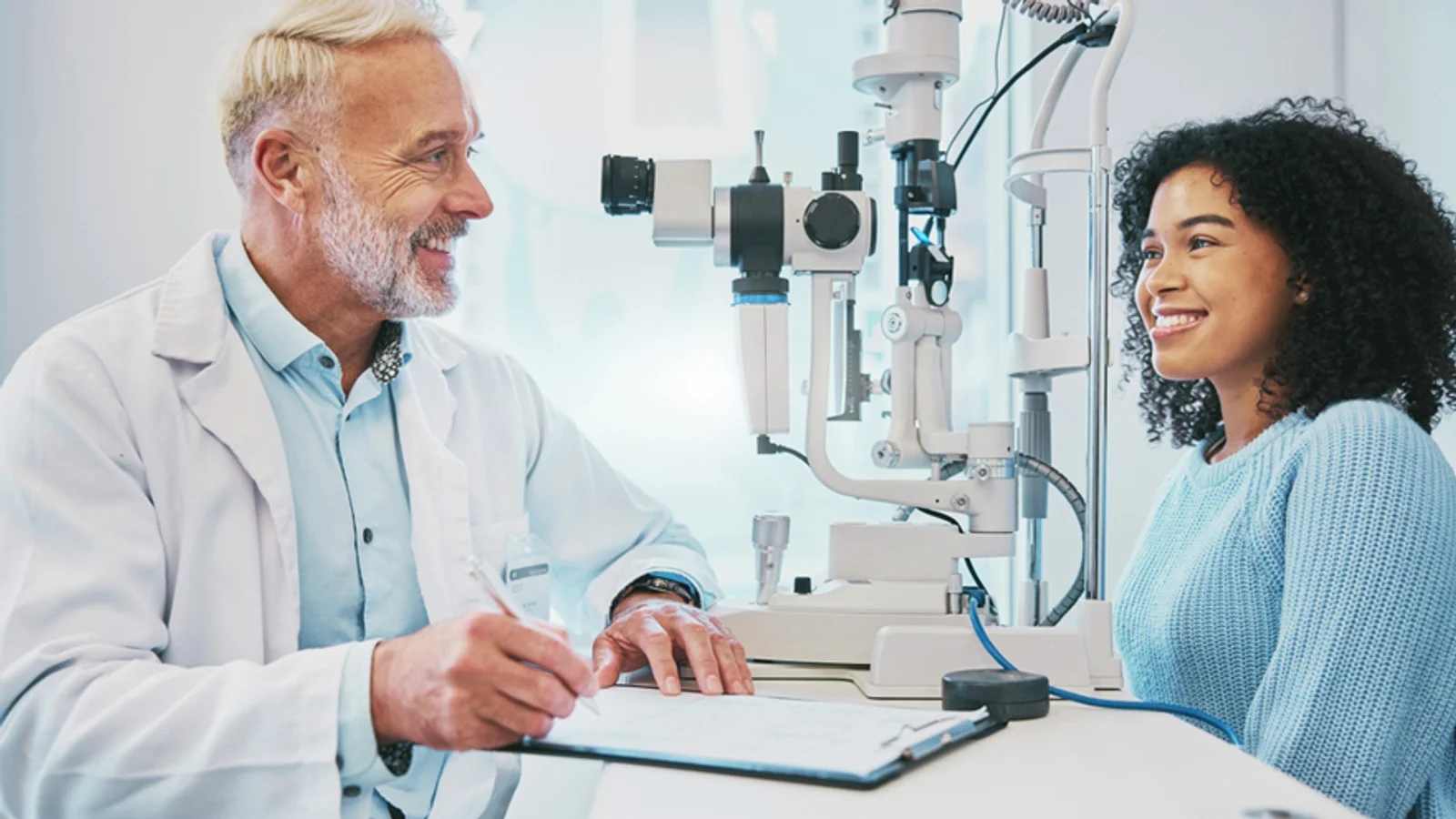
All-Laser LASIK is a powerful solution, but it’s not for everyone—and that’s exactly why we take evaluation so seriously.
- Corneal thickness measurements – to ensure your eye can safely support flap creation and laser reshaping.
- Tear film analysis – since dry eye can affect both healing and long-term comfort after surgery.
- Wavefront scans – which detect subtle irregularities in how your eyes process light, allowing us to customize your treatment beyond the standard prescription.
- Topography and tomographic mapping – creating a 3D map of your cornea to rule out conditions like keratoconus or irregular surface patterns.
LASIK, But Elevated
Let’s be clear: not all LASIK is created equal. Here’s how All-Laser LASIK compares to older or alternative techniques:
- Traditional LASIK (with a blade): Still effective, but higher variability in flap creation.
- All-Laser LASIK: Enhanced accuracy, lower risk, and a smoother healing process.
- LASEK or PRK: No flap involved; ideal for thinner corneas but involves longer recovery.
- SMILE: A newer method with no flap, but not suitable for all prescriptions.
What Patients Say
One of our recent patients, a teacher in her 50s, said it best:
Addressing Common Concerns
Is the laser safe?
Extremely. The femtosecond and excimer lasers used in All-Laser LASIK have been tested and refined over decades. They operate with sub-millimeter accuracy and are constantly monitored during the procedure.
Conclusion
At the end of the day, vision correction isn’t just about sharper numbers on an eye chart. It’s about how clearly you see your loved ones. How confidently you drive at night. How easily you go through your day without pausing to reach for glasses or adjust a lens.
More Articles
Continue reading our ophthalmology guides and vision care insights.

SMILE vs LASIK: Recovery Benchmarks for Vision Correction Care
South Korea has solidified its position as a global epicenter for ophthalmology, with the domestic LASIK and refractive surgery market projected to reach **USD 167.37 million by 2035**, growing at a steady CAGR of 8.54%.
Learn More

Prevalence of Myopia in Korea: The Value of Dream Lens Therapy
The prevalence of myopia among young people in South Korea has reached critical levels, often described as a "myopia epidemic." According to recent data from the **Korean National Health and Nutrition Examination Survey (KNHANES)**, the prevalence of myopia...
Learn More

Multidisciplinary Care: The Future of Korean Pediatric Eye Clinics
The landscape of pediatric eye care in South Korea is shifting rapidly. With nearly **21.9% of Korean children** estimated to be affected by various visual disorders according to nationwide health screenings, the demand for specialized intervention has never...
Learn More