Comprehensive Eye Care & Vision Correction in Incheon · Multilingual International Concierge
23+ Years Clinical Experience
en-US

Ophthalmology Guide
All-Laser LASIK Recovery Time: What to Expect and How to Speed Up Healing
Discover the All-Laser LASIK recovery timeline, what to expect post-surgery, and expert tips to speed up healing. Regain clear vision—learn more now!
Schedule a ConsultationIntroduction: Seeing Clearly Starts With Healing Smart
Choosing LASIK is a big decision — one that often comes after years of glasses, contacts, or blurry mornings. At Global Ubal Eye Center in Incheon, we’ve seen the joy that clearer vision brings. But here’s something many patients don’t expect: the healing journey matters just as much as the surgery itself.
What to Expect During All-Laser LASIK Recovery
Day 0: The First 24 Hours
Right after surgery, many patients are surprised to find their vision already improved. However, it usually feels cloudy or foggy — like looking through water. Common sensations include light sensitivity, mild burning, tearing, and the feeling that something is in the eye.
Day 1-2: Clarity Begins to Form
By the next morning, a noticeable improvement is typical. Your vision stabilizes rapidly, and many patients can resume light activities or even return to desk work. However, you still need to avoid makeup, sweat, swimming, and direct airflow (like from a hairdryer or AC).
First Week: Adapting to the New Normal
This is the week when your eyes start getting used to their new shape. Vision improves daily, but you might notice fluctuations in sharpness or minor visual artifacts like halos or glare, especially at night.
Weeks 2 to 6: Returning to Routine
Vision becomes more stable, and most patients are cleared for most activities, including exercise and long work hours. However, swimming and contact sports still need to be avoided. At Global Ubal Eye Center, we monitor patients closely during this period to detect any signs of regression, dryness, or nerve regeneration delay.
Months 3 to 6: Full Maturity
By now, your vision is likely sharp, and night issues should fade. However, some patients take a bit longer to reach visual equilibrium. If there are lingering symptoms, they may need enhanced care — such as punctual plugs or temporary medications.
How to Support and Accelerate Your Healing
1. Follow Your Drop Schedule to the Letter
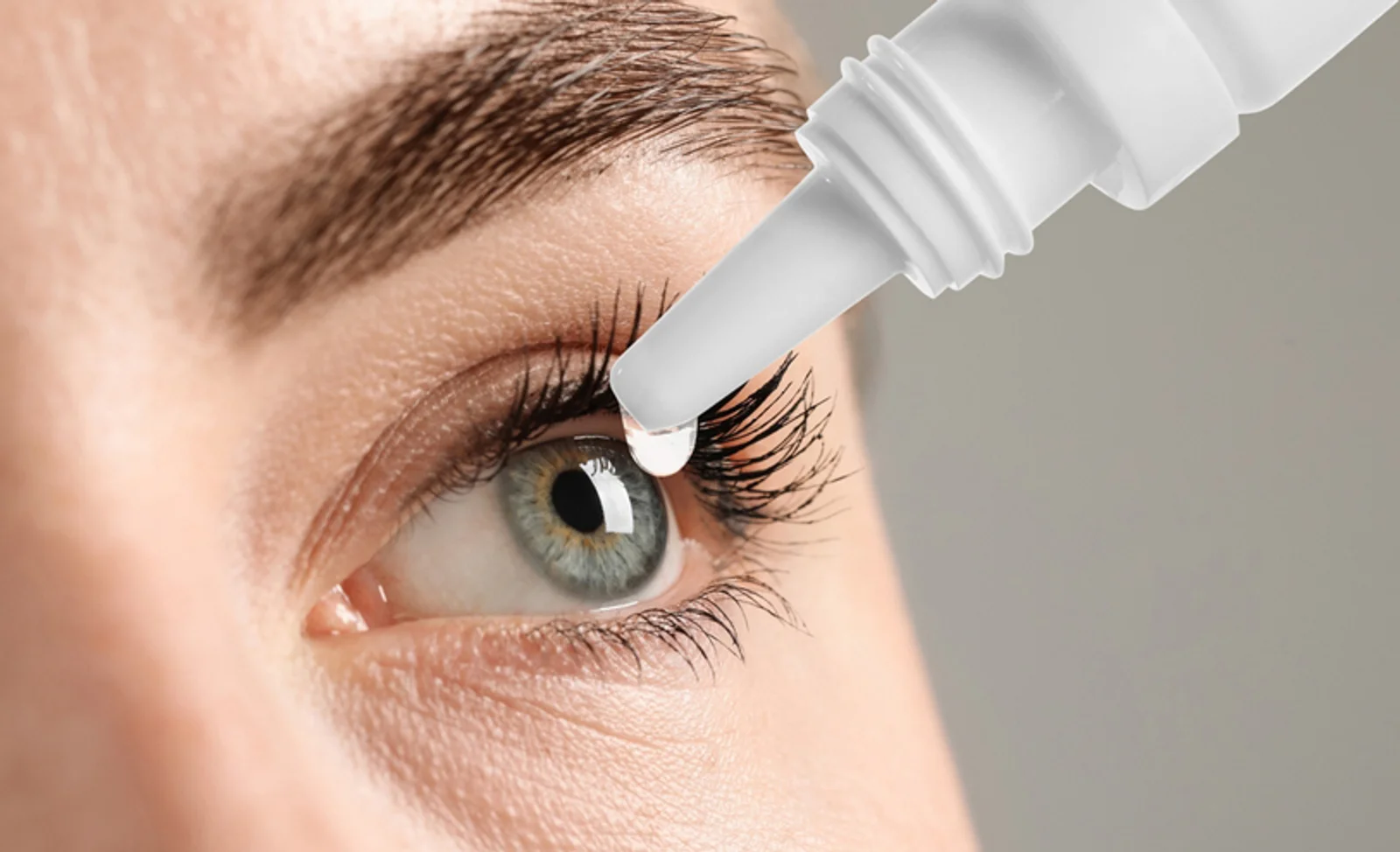
Antibiotics, anti-inflammatories, and lubricating drops aren’t optional. Think of them as your post-op toolkit. At Global Ubal Eye Center, we personalize your regimen based on corneal thickness, tear production, and even climate exposure.
2. Avoid Touching or Rubbing Your Eyes
It cannot be stressed enough: rubbing is dangerous. Even a light touch in the first few days can cause the flap to shift. If you feel something unusual, call your surgeon, don’t try to fix it yourself.
3. Be Mindful of Your Environment
Wind, dust, cigarette smoke, and harsh sunlight can irritate your healing corneas. Wear sunglasses outside. Use a humidifier indoors. Avoid any activity that may introduce contaminants to your eyes.
4. Modify Your Lifestyle Temporarily
That means postponing high-intensity workouts, night driving (if halos/glare are bothersome), or makeup routines. Healing doesn’t mean total inactivity, but you do need to go gently.
5. Address Dryness Early
Dry eye is the number one complaint post-LASIK. Artificial tears help, but if it persists, your clinic should intervene. We often prescribe omega-3 supplements, punctal plugs, or regenerative drops when appropriate.
6. Keep All Follow-Up Appointments
LASIK is low-risk, but it’s still surgery. We’ve seen minor issues escalate when patients skip post-op visits. At Global Ubal Eye Center, we track healing with corneal mapping, tear break-up time tests, and flap imaging to ensure no detail is missed.
Why Recovery Time Varies from Person to Person
Every eye is different. And while All-Laser LASIK is incredibly precise, biology and behavior affect the pace of healing. Factors that can slow recovery include:
- Pre-existing dry eye or meibomian gland dysfunction
- High degrees of myopia or hyperopia
- Age (older patients may heal slower)
- Environmental factors (dusty climates, excessive screen use)
- Incomplete adherence to post-op instructions
Our Commitment to Your Full Recovery
Conclusion: Long-Term Vision, One Careful Step at a Time
More Articles
Continue reading our ophthalmology guides and vision care insights.

SMILE vs LASIK: Recovery Benchmarks for Vision Correction Care
South Korea has solidified its position as a global epicenter for ophthalmology, with the domestic LASIK and refractive surgery market projected to reach **USD 167.37 million by 2035**, growing at a steady CAGR of 8.54%.
Learn More

Prevalence of Myopia in Korea: The Value of Dream Lens Therapy
The prevalence of myopia among young people in South Korea has reached critical levels, often described as a "myopia epidemic." According to recent data from the **Korean National Health and Nutrition Examination Survey (KNHANES)**, the prevalence of myopia...
Learn More

Multidisciplinary Care: The Future of Korean Pediatric Eye Clinics
The landscape of pediatric eye care in South Korea is shifting rapidly. With nearly **21.9% of Korean children** estimated to be affected by various visual disorders according to nationwide health screenings, the demand for specialized intervention has never...
Learn More