Comprehensive Eye Care & Vision Correction in Incheon · Multilingual International Concierge
23+ Years Clinical Experience
en-US

Ophthalmology Guide
Advanced Presbyopia Treatments: Restore Near Vision Without Glasses
Explore innovative presbyopia treatments, including laser surgery and lens implants, at Global Ubal Eye Center in Korea. Regain your vision and live glasses-free.
Schedule a ConsultationUnderstanding Presbyopia: More Than Just Aging
Presbyopia is more than a simple part of getting older. It’s an experience that many people face as they enter their 40s, marking a gradual change in how we see the world. As the eye’s lens loses its ability to adjust its shape, tasks that once seemed effortless, like reading fine print, texting on a smartphone, or even enjoying a good book, suddenly become harder.
What Causes Presbyopia?
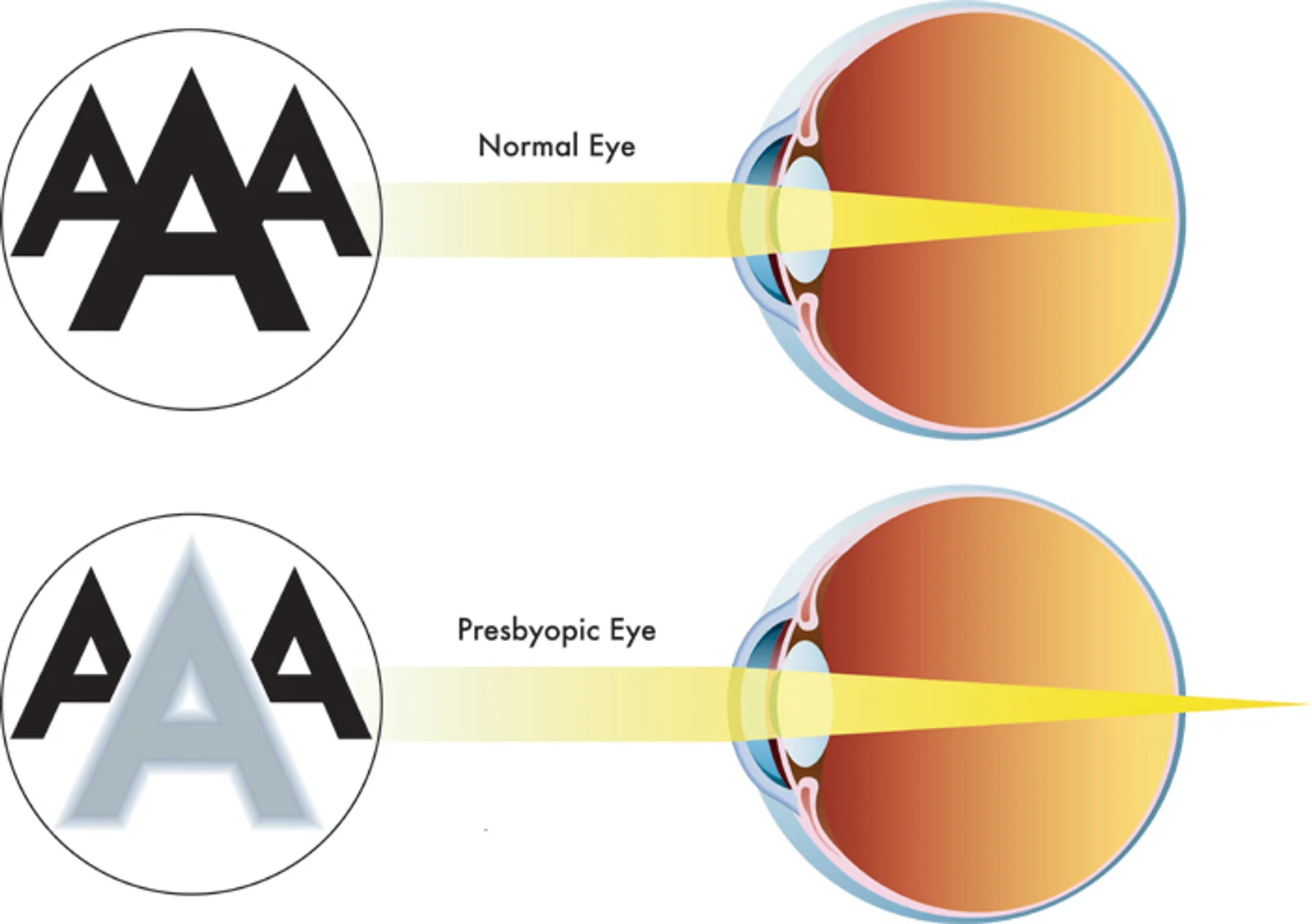
To understand how to address presbyopia, it helps to know how the eye functions:
- The Role of the Lens: The eye’s lens helps focus light on the retina, allowing us to see clearly. When we focus on close objects, the lens changes shape to bend the light and bring the image into focus.
- Age-Related Changes: Over time, the lens gradually becomes less flexible, starting in the early 40s. As it stiffens, the ability to focus on near objects diminishes, leading to the characteristic blurred vision of presbyopia.
The Symptoms of Presbyopia
The most common symptoms include:
- Difficulty reading fine print or small text
- Holding reading materials farther away to focus
- Eye strain and discomfort, especially during close tasks
- Frequent headaches after prolonged reading or screen use
- Neck or shoulder pain from adjusting posture to compensate for blurred vision
Glasses for Presbyopia: A Traditional but Restrictive Solution
Types of Eyewear:
- Reading Glasses: Simple lenses designed to magnify objects up close.
- Bifocals: Lenses with two focal points for near and distance vision.
- Progressive Lenses: Multifocal lenses that provide a gradual transition from near to distance vision.
Limitations of Glasses:
While glasses are a tried-and-true solution, many people find them impractical. Having to switch between different pairs or wear them constantly can be frustrating. Glasses can also cause discomfort, such as headaches or pressure marks on the nose, and may distort peripheral vision. Additionally, some individuals feel self-conscious about wearing glasses, especially in social settings or during physical activities.
Non-Surgical Solutions: Alternative Treatments to Glasses
Not every person is ready for surgery or prefers an invasive approach. Several non-surgical treatments offer relief from presbyopia, allowing people to improve near vision without glasses.
Eye Exercises and Lifestyle Adjustments:
While they won’t cure presbyopia, some exercises and habits can help alleviate symptoms. Consider:
- Performing specific exercises to strengthen eye muscles and reduce strain
- Enhancing lighting conditions when reading or doing close work
- Following the 20-20-20 rule: Take a 20-second break every 20 minutes by looking at something 20 feet away to reduce eye fatigue
Multifocal Contact Lenses:
Multifocal contacts are designed with different zones to correct near and far vision within the same lens. These lenses provide a more natural field of view and are a great option for those who prefer not to wear glasses. However, they may require an adjustment period for those new to contact lenses.
Advanced Surgical Treatments: Permanent Solutions for Presbyopia
For patients looking for long-term relief, advanced surgical treatments offer permanent fixes to presbyopia. These procedures aim to restore near vision, reducing or eliminating the need for glasses altogether.
Laser Vision Correction:
- Monovision LASIK: This procedure corrects one eye for near vision and the other for distance vision. The brain combines the images from both eyes, creating a comfortable experience without needing reading glasses.
- LASEK: A variation of LASIK, LASEK reshapes the cornea to treat presbyopia, typically recommended for patients with thinner corneas.
Advantages of Laser Treatments:
- Outpatient procedures that usually take under 30 minutes
- Minimal discomfort and quick recovery, often within a day or two
- Long-lasting results, dramatically reducing reliance on glasses
Potential Risks:
While rare, temporary side effects like dry eyes, glare, or halos may occur. It’s essential to have a thorough consultation with an ophthalmologist to determine if laser treatments are the best option for your needs.
Corneal Inlays:
For those seeking a less invasive option, corneal inlays are small devices implanted into the cornea to improve near vision. This solution is minimally invasive, and the inlays can be removed if necessary, offering flexibility for the patient.
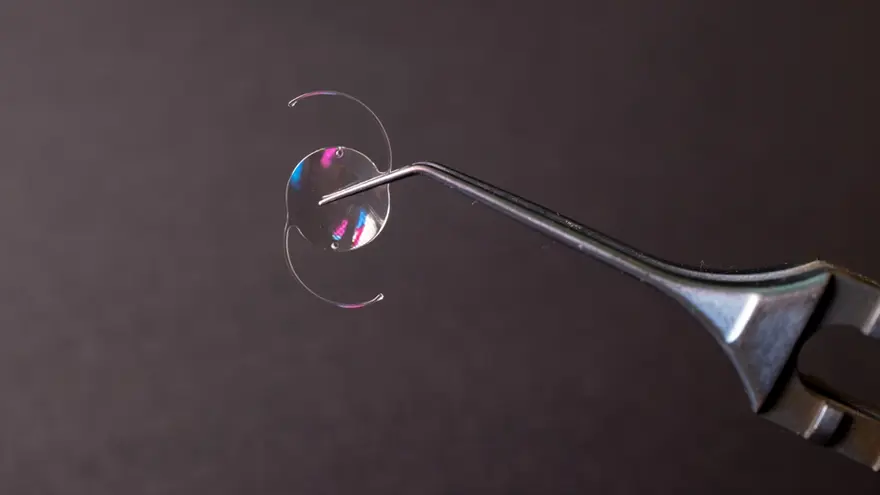
Lens Implants: A Long-Term Fix for Severe Presbyopia
Emerging Treatment: Presbyopia Eye Drops
Choosing the Right Treatment for You
Why Choose Global Ubal Eye Center?
Recovery and Aftercare
Conclusion: Say Goodbye to Glasses
More Articles
Continue reading our ophthalmology guides and vision care insights.

SMILE vs LASIK: Recovery Benchmarks for Vision Correction Care
South Korea has solidified its position as a global epicenter for ophthalmology, with the domestic LASIK and refractive surgery market projected to reach **USD 167.37 million by 2035**, growing at a steady CAGR of 8.54%.
Learn More

Prevalence of Myopia in Korea: The Value of Dream Lens Therapy
The prevalence of myopia among young people in South Korea has reached critical levels, often described as a "myopia epidemic." According to recent data from the **Korean National Health and Nutrition Examination Survey (KNHANES)**, the prevalence of myopia...
Learn More

Multidisciplinary Care: The Future of Korean Pediatric Eye Clinics
The landscape of pediatric eye care in South Korea is shifting rapidly. With nearly **21.9% of Korean children** estimated to be affected by various visual disorders according to nationwide health screenings, the demand for specialized intervention has never...
Learn More