Comprehensive Eye Care & Vision Correction in Incheon · Multilingual International Concierge
23+ Years Clinical Experience
en-US


Ophthalmology Guide
5 Warning Signs You Need Presbyopia Treatment
Struggling with near vision? Discover 5 signs it’s time for presbyopia treatment and learn about safe, effective solutions at Global Ubal Eye Center.
Schedule a ConsultationIntroduction: A Real Patient Story
"I thought I just needed more light. But suddenly, even with my phone's flashlight, I couldn’t read a restaurant menu," recalls Mrs. Park, a 47-year-old art teacher. Her experience is common for those entering their 40s and beyond. The likely cause? Presbyopia.

What Causes Presbyopia, and How Is It Diagnosed?
Presbyopia develops due to aging changes in the eye's lens and surrounding muscles:
- Lens Stiffening: The eye's crystalline lens is responsible for adjusting focus. With age, it hardens and loses its elasticity, making it harder to adjust focus between distances.
- Ciliary Muscle Weakening: These muscles, which help the lens change shape, gradually weaken, reducing the lens's responsiveness.
5 Real-World Signs It Might Be Time for Presbyopia Treatment
These symptoms often sneak up gradually—many patients describe “pushing through” before realizing something's wrong. Addressing them early can prevent ongoing strain and further complications.
The Daily Impact: How Presbyopia Changes Lives
Presbyopia doesn’t just affect reading. It impacts work, hobbies, and emotional well-being:
- Digital Struggles: Trouble seeing smartphone screens, reading messages, or managing online tasks
- Reduced Job Performance: Especially in detail-oriented roles like design, accounting, or software development
- Hobby Disruption: Difficulty with crafts, sewing, model-making, or reading music
- Self-Esteem Drops: Embarrassment from needing reading glasses in social settings is common
Personalized Presbyopia Treatments That Work
There is no one-size-fits-all solution for presbyopia. Global Ubal Eye Center offers several:
- Reading Glasses or Multifocals: Classic, effective, and non-invasive. These include bifocals, trifocals, and progressive lenses.
- Presbyopia-Correcting Eye Drops: A newer option, ideal for those who dislike glasses; results vary and are often temporary. One FDA-approved formulation, pilocarpine hydrochloride, can improve near vision for up to 6 hours.
- Laser Vision Correction: Techniques like PresbyLASIK or monovision LASIK reshape the cornea to allow different zones for near and distance vision.
- Lens Replacement Surgery: Intraocular lenses (IOLs) can correct presbyopia during cataract surgery or as a stand-alone procedure. Premium IOLs like multifocal and extended depth of focus (EDOF) lenses offer a broader range of vision.
Are There Risks? Understanding Treatment Safety
While treatments are generally safe, each comes with considerations:
- Eyedrops: May cause mild stinging, redness, or allergic reaction. Not suitable for patients with certain preexisting eye conditions.
- Laser Procedures: Potential side effects include glare, halos at night, or dry eye syndrome. These usually resolve with time and treatment.
- Surgical Lenses: Small risks include infection, visual disturbances, or dissatisfaction with visual outcomes. Most are resolved with follow-up care or adjustments.
Why Choose Global Ubal Eye Center?
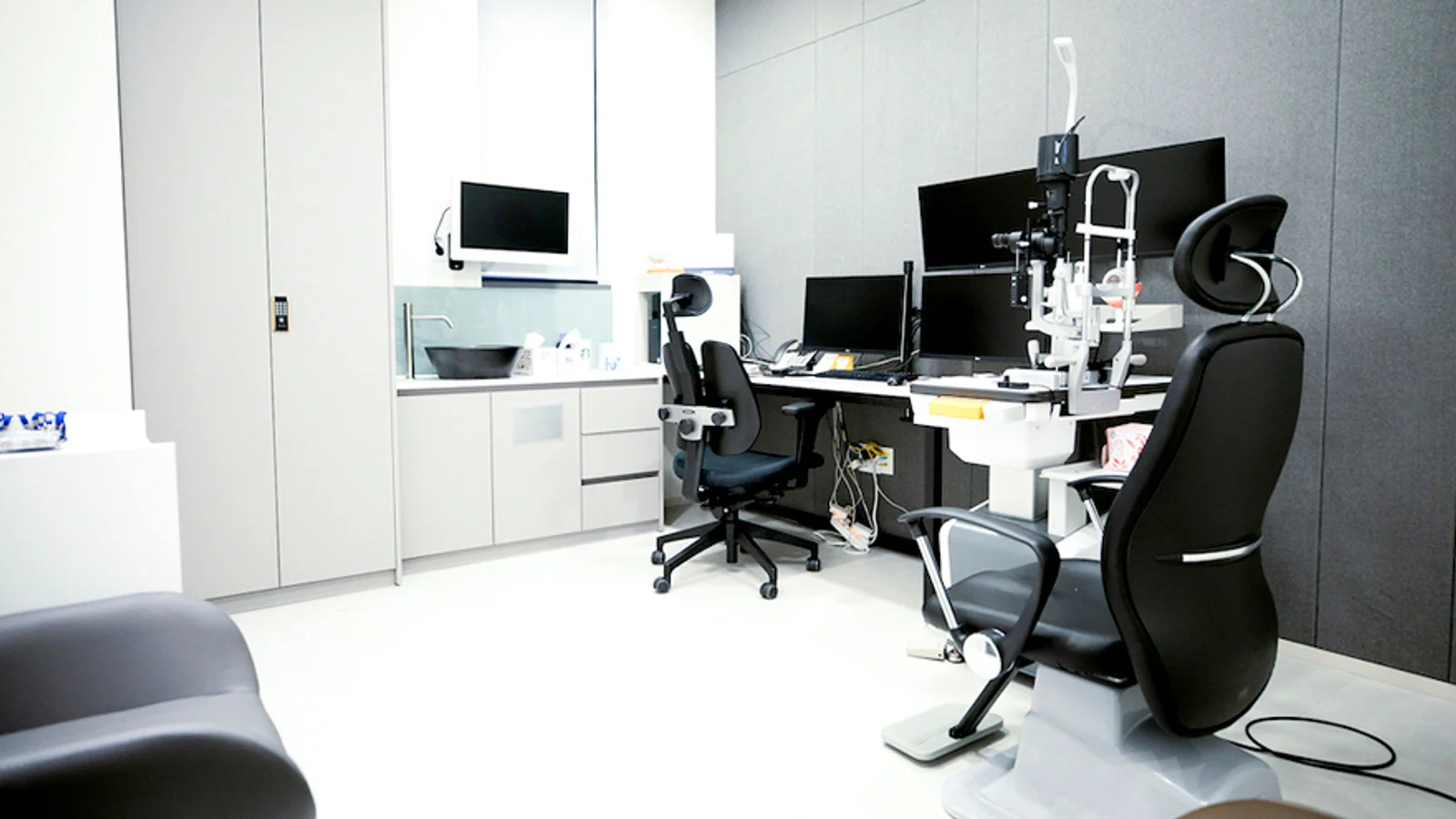
Located in Incheon, Korea, Global Ubal Eye Center is a leading destination for advanced eye care. Their reputation is built on:
- Expert Leadership: Dr. Heecheol Bae, a renowned ophthalmologist and researcher with over two decades of experience
- Patient-Centered Approach: From multilingual services to travel and accommodation support for international patients
- Innovative Technology: Advanced diagnostics like optical coherence tomography (OCT), aberrometry, and femtosecond laser systems ensure precision
- Real Results: High patient satisfaction, restored vision, and renewed confidence
FAQs: What People Really Want to Know
- Can presbyopia be cured? No, but it can be effectively managed. Treatments focus on restoring near vision and comfort. Ongoing research continues into regenerative therapies and accommodating lens implants.
- Is surgery the best option? It depends on your lifestyle. Some prefer the convenience of glasses or drops, while others value the freedom of surgery. An in-depth consultation can clarify your ideal choice.
- Are results permanent? Surgical options can provide long-term improvement, though natural changes in vision may continue over time. Regular monitoring is essential.
- How do I maintain my vision after treatment? Schedule eye exams every 6–12 months. Maintain a balanced diet rich in antioxidants, stay hydrated, and reduce prolonged screen time. Protective eyewear outdoors can also reduce UV-related eye aging.
- What are the costs involved? Treatment costs vary depending on the option selected. Global Ubal Eye Center offers transparent pricing and can assist with insurance and international billing.
Conclusion: Take the Next Step Towards Clearer Vision
More Articles
Continue reading our ophthalmology guides and vision care insights.

SMILE vs LASIK: Recovery Benchmarks for Vision Correction Care
South Korea has solidified its position as a global epicenter for ophthalmology, with the domestic LASIK and refractive surgery market projected to reach **USD 167.37 million by 2035**, growing at a steady CAGR of 8.54%.
Learn More

Prevalence of Myopia in Korea: The Value of Dream Lens Therapy
The prevalence of myopia among young people in South Korea has reached critical levels, often described as a "myopia epidemic." According to recent data from the **Korean National Health and Nutrition Examination Survey (KNHANES)**, the prevalence of myopia...
Learn More

Multidisciplinary Care: The Future of Korean Pediatric Eye Clinics
The landscape of pediatric eye care in South Korea is shifting rapidly. With nearly **21.9% of Korean children** estimated to be affected by various visual disorders according to nationwide health screenings, the demand for specialized intervention has never...
Learn More