Comprehensive Eye Care & Vision Correction in Incheon · Multilingual International Concierge
23+ Years Clinical Experience
en-US


Ophthalmology Guide
5 Surprising Triggers for Dry Eye You Can Control
Discover 5 surprising dry eye triggers you can control to relieve discomfort and protect your vision. Learn what to avoid and start feeling better today!
Schedule a ConsultationUnderstanding Dry Eye: More Than Just an Annoyance
Dry eye disease isn’t always dramatic—but it is always disruptive. For many people, it begins subtly: a little redness here, a scratchy feeling there, maybe some blurry vision that clears after blinking. It’s easy to brush off, especially in a fast-paced world where digital screens dominate and sleep is often sacrificed.
Overuse of Air Conditioning or Heating
South Korea’s four-season climate means we rely heavily on indoor climate control—whether it’s blasting the air conditioner in August or turning up the heat in January. But those very systems can quietly sabotage your eye health. Air conditioners and heaters work by pushing dry, dehumidified air into your environment, and that dry air accelerates tear evaporation.
- Redirect vents so that they don't blow directly on your face.
- Use a humidifier at home or at work, especially during winter.
- If you drive frequently, angle the car’s airflow toward your lower body rather than your face.
- Consider installing an indoor humidity monitor. Even a small increase in humidity (from 20% to 40%) can significantly ease symptoms.
Contact Lens Habits
Contact lenses are one of the most common and convenient forms of vision correction—but they’re also one of the most common causes of dry eye. Lenses create a thin barrier on the eye that can reduce oxygen permeability and interfere with tear film stability.
- Limit lens wear to no more than 8–10 hours a day, especially in dry environments.
- Use preservative-free lubricating drops approved for contact lenses.
- Talk to your eye doctor about switching to daily disposables, which are less prone to debris buildup.
- Consider glasses on weekends or days spent mostly at home to give your eyes a break.
Your Skincare and Makeup Routine
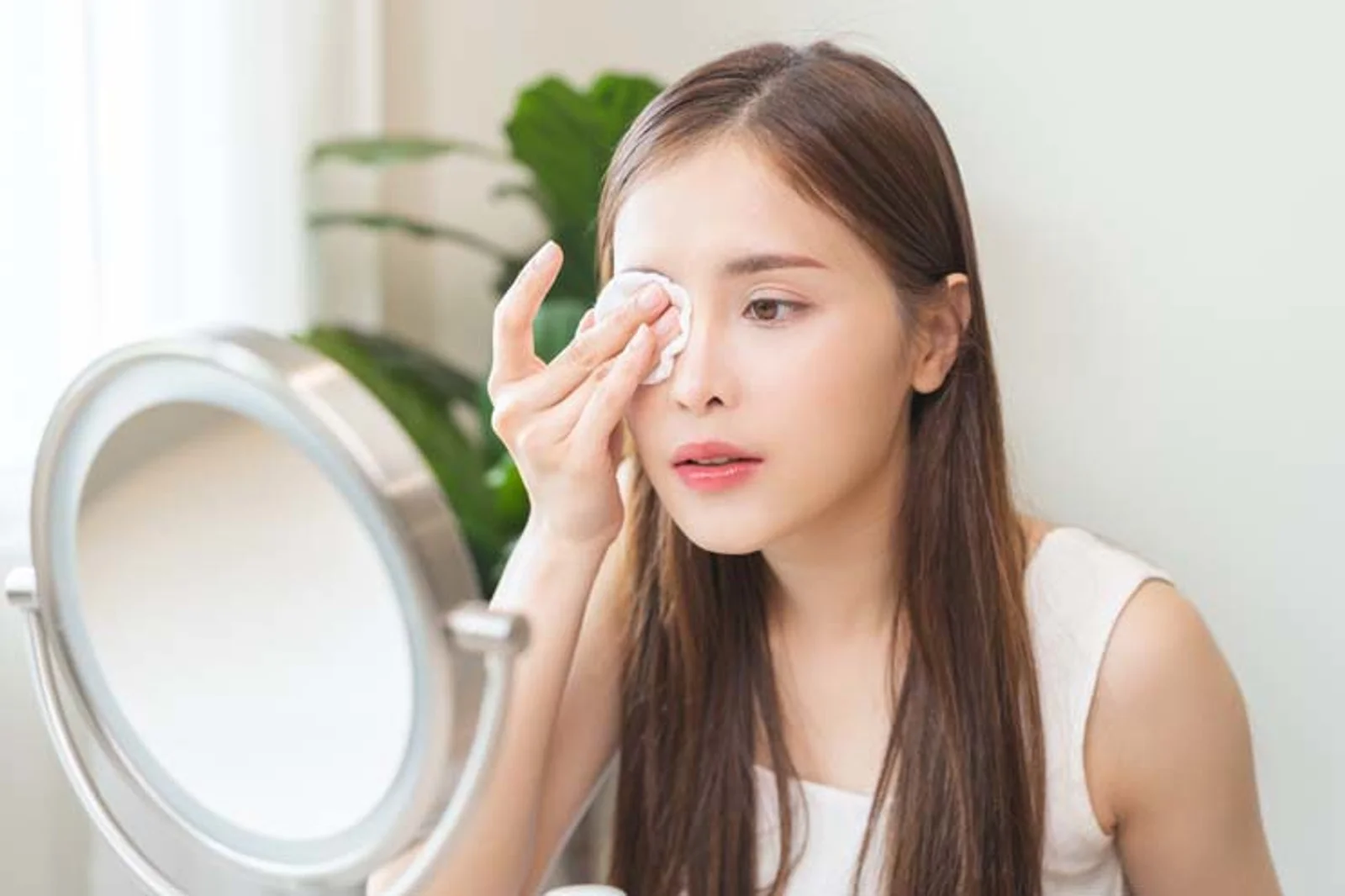
This one surprises many patients, especially women. While we often think of cosmetics as only skin-deep, certain products can interfere with eye health in profound ways. Heavy creams, anti-aging serums, sunscreen, and waterproof makeup often contain oils, preservatives, and chemical agents that can migrate into the eye area.
- Choose cosmetics labeled as "ophthalmologist-tested" or "non-comedogenic."
- Apply facial products away from the lash line. Avoid tightlining (lining the inner rim of your eyelids).
- Remove eye makeup gently using oil-free, hypoallergenic cleansers.
- Avoid waterproof mascara if possible—it requires harsher removers that can irritate the eyes.
Inadequate Hydration (It’s Not Just About Drinking Water)
You might think you’re well-hydrated because you carry a water bottle everywhere—but hydration is more complex than just drinking fluids. Your body also needs the right balance of electrolytes and nutrients to retain that moisture and distribute it to your organs, including your eyes.
- Reduce intake of dehydrating substances like coffee, alcohol, and salty snacks.
- Eat foods rich in omega-3 fatty acids (salmon, chia seeds, walnuts) to reduce inflammation and improve tear quality.
- Include water-dense fruits and vegetables in your diet, such as cucumber, watermelon, and spinach.
- Consider adding an oral omega-3 supplement if approved by your doctor.
Hidden Screen Time (Yes, Even on Your Phone)

It’s not just the hours spent working on a desktop that harm your eyes. Micro-interactions with your phone throughout the day—checking messages, scrolling social media, or watching videos—also add up to hours of reduced blinking and increased eye strain.
- Use the 20-20-20 rule: every 20 minutes, look at something 20 feet away for 20 seconds.
- Make a conscious effort to blink fully and slowly during screen use.
- Install screen dimming or blue light filter apps to reduce glare.
- Take “digital detox” breaks—try to keep screens out of the bedroom or designate one hour before bed as tech-free time.
When to Seek Professional Help
If you've tried making lifestyle changes and your eyes are still dry, itchy, or red, it might be time for a deeper evaluation. At Global Ubal Eye Center, we use advanced diagnostic tools to determine the exact cause of your dry eye—whether it's Meibomian gland dysfunction, tear instability, or something more complex.
Conclusion
Dry eye doesn’t always require drastic intervention. Often, small but consistent changes to your daily routine can lead to significant improvements. Adjusting your air circulation, reconsidering your cosmetics, hydrating with intention, and staying mindful about screen time—all of these give your eyes a better chance at healing naturally.
More Articles
Continue reading our ophthalmology guides and vision care insights.

SMILE vs LASIK: Recovery Benchmarks for Vision Correction Care
South Korea has solidified its position as a global epicenter for ophthalmology, with the domestic LASIK and refractive surgery market projected to reach **USD 167.37 million by 2035**, growing at a steady CAGR of 8.54%.
Learn More

Prevalence of Myopia in Korea: The Value of Dream Lens Therapy
The prevalence of myopia among young people in South Korea has reached critical levels, often described as a "myopia epidemic." According to recent data from the **Korean National Health and Nutrition Examination Survey (KNHANES)**, the prevalence of myopia...
Learn More

Multidisciplinary Care: The Future of Korean Pediatric Eye Clinics
The landscape of pediatric eye care in South Korea is shifting rapidly. With nearly **21.9% of Korean children** estimated to be affected by various visual disorders according to nationwide health screenings, the demand for specialized intervention has never...
Learn More