Comprehensive Eye Care & Vision Correction in Incheon · Multilingual International Concierge
23+ Years Clinical Experience
en-US


Ophthalmology Guide
5 Signs You Might Have Dry Eye Syndrome (And How We Treat It)
Discover the 5 common signs of Dry Eye Syndrome, including irritation, burning, and excessive tearing. Learn about effective treatments like artificial tears, prescription drops, and lifestyle changes to manage this condition.
Schedule a ConsultationIntroduction
Dry Eye Syndrome (DES) is more than just an occasional irritation; it's a chronic condition that affects millions of people worldwide. It occurs when your eyes are unable to produce enough tears or when the tears evaporate too quickly, leaving your eyes feeling dry, irritated, and uncomfortable.
Frequent Sensitivity to Light
- What it Feels Like: One of the most bothersome symptoms of Dry Eye Syndrome is light sensitivity, also called photophobia. When your eyes are dry, the surface becomes more vulnerable to light exposure, and as a result, bright lights may cause discomfort. People with DES often report feeling as though they need to squint or even close their eyes when outside in natural sunlight or in environments with fluorescent lighting. This sensitivity can also cause headaches or fatigue from the strain of constantly trying to block out the light.
- Treatment: Managing light sensitivity involves both short-term and long-term solutions. In the short term, wearing sunglasses or tinted lenses when outdoors can help reduce the discomfort caused by sunlight. Anti-glare lenses for reading or using screens can also be helpful in reducing glare from artificial light sources. For more severe cases, your doctor might recommend anti-inflammatory eye drops or a prescription medication to reduce inflammation and increase tear production.
Constant Eye Irritation
- What it Feels Like: Do your eyes often feel gritty, itchy, or as if there’s something foreign inside them? This sensation is a key symptom of Dry Eye Syndrome. People often describe it as feeling like there’s sand or dirt trapped in their eyes, causing them to constantly rub or blink excessively. The irritation can worsen after prolonged periods of visual focus, such as reading, working on a computer, or spending time in dry environments (such as air-conditioned offices or heated rooms).
- Treatment: To relieve constant eye irritation, lubricating artificial tears are usually the first line of defense. These over-the-counter drops help hydrate the eyes and provide immediate comfort. For individuals with persistent irritation, your eye care professional may recommend prescription drops such as cyclosporine (Restasis) or lifitegrast (Xiidra) to reduce inflammation and promote natural tear production. Additionally, warm compresses can be used to soothe irritated eyes and unclog blocked oil glands in the eyelids, helping the eyes retain moisture more effectively.
Red or Bloodshot Eyes
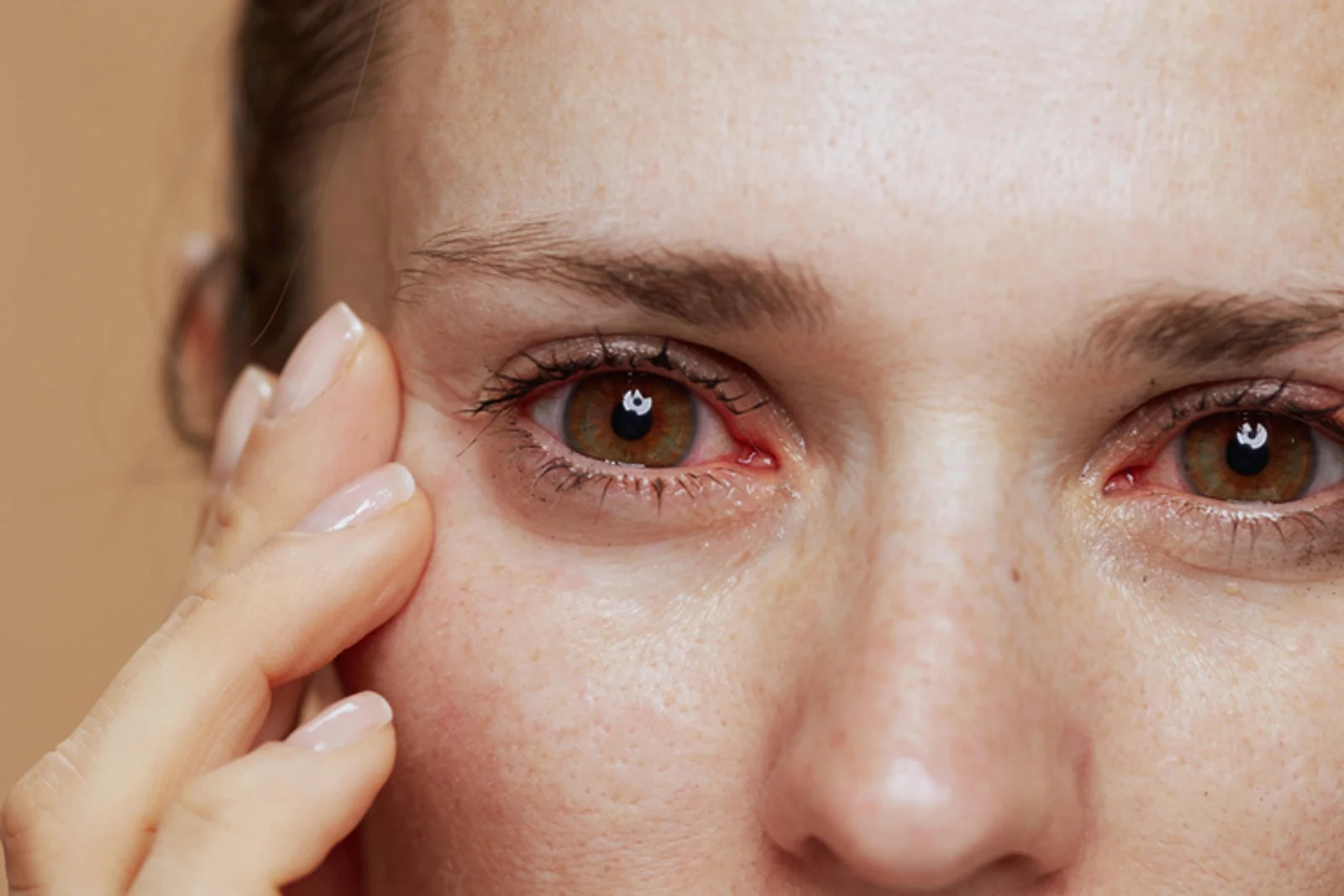
- What it Feels Like: Redness or bloodshot eyes are common in individuals with Dry Eye Syndrome due to the inflammation and irritation caused by insufficient tear production. When there aren’t enough tears to keep the eyes properly lubricated, the blood vessels in the surface of the eye become dilated, leading to noticeable redness. For many people, this can be one of the most visible and frustrating signs of dry eyes, particularly in the morning after waking up.
- Treatment: The best way to combat redness is to restore moisture to the eyes. Lubricating eye drops can help reduce redness and provide relief from dryness. If redness persists, your doctor may suggest punctal plugs, which are tiny devices inserted into the tear ducts to prevent tears from draining too quickly. By blocking the tear drainage, these plugs help the eyes retain moisture longer, thereby reducing irritation and redness. In some cases, anti-inflammatory treatments may be necessary to address the underlying cause of the redness.
Blurred Vision
- What it Feels Like: Blurred vision is another common symptom of Dry Eye Syndrome, especially after extended periods of reading, using a computer, or watching television. This occurs because the tear film, which is responsible for keeping the surface of the eye smooth and clear, becomes unstable. When the surface of the eye is dry or uneven, the quality of the image projected onto the retina is disrupted, causing blurred or fluctuating vision. This can make it difficult to focus on tasks and significantly affect your quality of life.
- Treatment: The best way to treat blurred vision is to use lubricating eye drops regularly to restore the tear film and improve the clarity of vision. For people who have chronic or severe dry eyes, specialized contact lenses designed for dry eyes can help by creating a protective moisture barrier over the eye. These lenses are typically thicker than regular contact lenses and help retain moisture, preventing the surface from drying out. In more serious cases, doctors may recommend medications or surgical interventions to address underlying causes of dry eyes.
Eye Fatigue
Treatment Options for Dry Eye Syndrome
Why Choose Global Ubal Eye Clinic?
Conclusion
More Articles
Continue reading our ophthalmology guides and vision care insights.

SMILE vs LASIK: Recovery Benchmarks for Vision Correction Care
South Korea has solidified its position as a global epicenter for ophthalmology, with the domestic LASIK and refractive surgery market projected to reach **USD 167.37 million by 2035**, growing at a steady CAGR of 8.54%.
Learn More

Prevalence of Myopia in Korea: The Value of Dream Lens Therapy
The prevalence of myopia among young people in South Korea has reached critical levels, often described as a "myopia epidemic." According to recent data from the **Korean National Health and Nutrition Examination Survey (KNHANES)**, the prevalence of myopia...
Learn More

Multidisciplinary Care: The Future of Korean Pediatric Eye Clinics
The landscape of pediatric eye care in South Korea is shifting rapidly. With nearly **21.9% of Korean children** estimated to be affected by various visual disorders according to nationwide health screenings, the demand for specialized intervention has never...
Learn More