Comprehensive Eye Care & Vision Correction in Incheon · Multilingual International Concierge
23+ Years Clinical Experience
en-US

Ophthalmology Guide
5 Expert Tips to Safeguard Your Child’s Vision
Learn how to protect your child’s eyes with these 5 pediatric ophthalmologist-backed vision care tips.
Schedule a ConsultationIntroduction
Your child’s eyesight plays a vital role in their early development, learning ability, and quality of life. But while many parents prioritize general health checkups, vision care often gets overlooked—even though untreated childhood eye diseases can lead to long-term complications, including irreversible vision loss.
Understand Common Childhood Eye Diseases
Children are particularly susceptible to eye disorders because their visual systems are still developing. Recognizing early signs and understanding common pediatric conditions can help parents seek timely treatment.
Most Common Pediatric Eye Conditions:
- Amblyopia (Lazy Eye): Develops when the brain favors one eye over the other, often due to poor alignment or significant refractive errors. If untreated, it can lead to permanent vision loss in the weaker eye.
- Strabismus (Crossed Eyes): A condition where the eyes do not line up in the same direction, affecting depth perception and potentially leading to amblyopia.
- Refractive Errors: These include myopia (nearsightedness), hyperopia (farsightedness), and astigmatism, all of which can interfere with learning and development if uncorrected.
- Infections and Allergies: Conjunctivitis, often called pink eye, is highly contagious and common in children. Allergies can also cause redness, itching, and discomfort.
- Congenital Conditions: Cataracts and glaucoma, although rare, can be present from birth and require immediate intervention.
Why Early Detection Matters:
Vision problems can hinder learning, behavior, and social interaction. Children may not articulate their symptoms clearly, making screenings crucial. According to the American Academy of Ophthalmology, early treatment significantly improves the likelihood of preserving and enhancing vision.
Schedule Regular Pediatric Eye Exams
Routine eye exams are the cornerstone of pediatric eye health. Many visual conditions don’t present obvious symptoms, making professional evaluations essential for early diagnosis.
Recommended Eye Exam Timeline:
- First eye exam: Around 6 months of age
- Next exam: Age 3
- Before starting school: Age 5 or 6
- Follow-up exams: Every 1-2 years depending on risk factors and family history
What Happens During an Exam:
- Visual Acuity Tests: These assess how clearly a child sees at various distances.
- Eye Alignment and Movement Evaluation: Used to detect strabismus and track how well the eyes work together.
- Retinal Imaging and Internal Eye Assessment: Helps identify structural abnormalities and rule out conditions like pediatric glaucoma or cataracts.
- Refraction Testing: Determines the need for corrective lenses.
Why Choose Global Ubal Eye Center?
With over 23 years of dedicated pediatric experience, Global Ubal Eye Center leverages advanced diagnostic technology and a patient-centered approach. The clinic specializes in managing complex pediatric cases with a team of highly trained ophthalmologists and optometrists. Their calm, nurturing environment ensures that even the youngest patients feel at ease.
Foster Healthy Visual Habits at Home
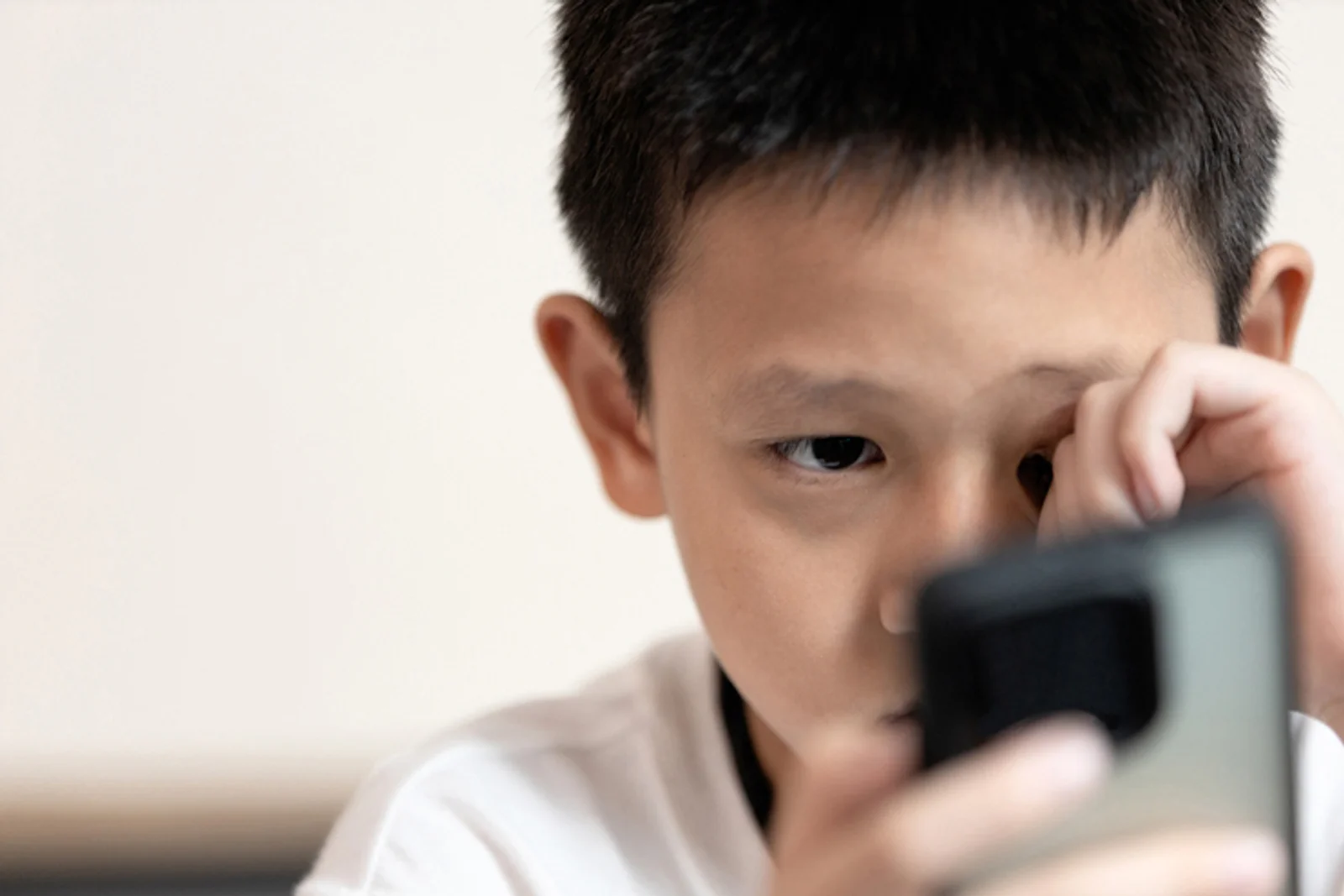
In our digital age, children often spend hours on devices, which increases their risk of developing digital eye strain and early myopia.
Strategies to Protect Vision at Home:
- Apply the 20-20-20 Rule: Every 20 minutes of screen use, take a 20-second break to look at something 20 feet away.
- Limit Recreational Screen Time: Pediatricians recommend no more than 1 hour per day for children aged 2 to 5, and consistent limits for older children.
- Encourage Outdoor Activities: Spending at least 1-2 hours outside daily reduces the risk of developing myopia and promotes physical health.
- Create a Vision-Friendly Environment: Ensure adequate lighting during study sessions, maintain proper posture, and encourage a reading distance of 14-16 inches.
Support from Global Ubal:
At Global Ubal Eye Center, parents receive actionable, personalized advice based on lifestyle and environmental factors. The care team helps families adopt routines that support eye health beyond the clinic.
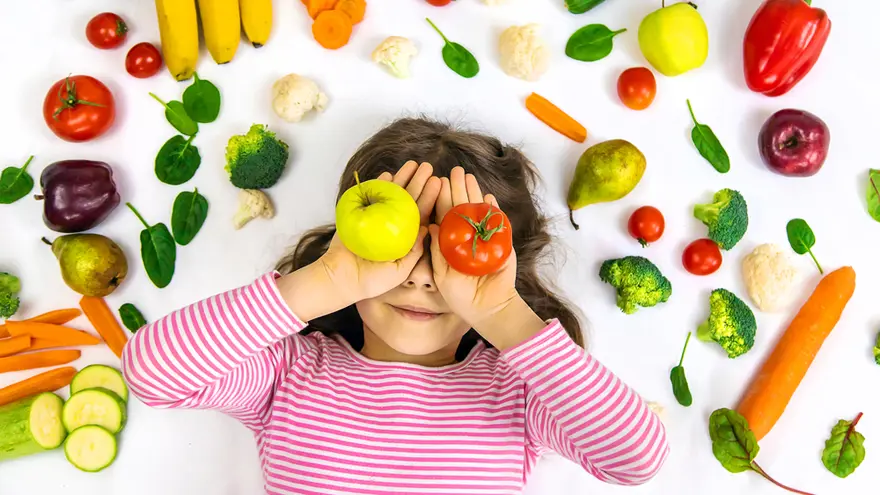
Prioritize Eye-Friendly Nutrition
Protect Against Injuries and Environmental Hazards
Bonus Tip: Teach Kids About Eye Safety & Hygiene
Final Thoughts
More Articles
Continue reading our ophthalmology guides and vision care insights.

SMILE vs LASIK: Recovery Benchmarks for Vision Correction Care
South Korea has solidified its position as a global epicenter for ophthalmology, with the domestic LASIK and refractive surgery market projected to reach **USD 167.37 million by 2035**, growing at a steady CAGR of 8.54%.
Learn More

Prevalence of Myopia in Korea: The Value of Dream Lens Therapy
The prevalence of myopia among young people in South Korea has reached critical levels, often described as a "myopia epidemic." According to recent data from the **Korean National Health and Nutrition Examination Survey (KNHANES)**, the prevalence of myopia...
Learn More

Multidisciplinary Care: The Future of Korean Pediatric Eye Clinics
The landscape of pediatric eye care in South Korea is shifting rapidly. With nearly **21.9% of Korean children** estimated to be affected by various visual disorders according to nationwide health screenings, the demand for specialized intervention has never...
Learn More